
Wild Mustard Identification Guide
Identify wild mustard (Sinapis arvensis) by its bright yellow four-petaled flowers, bristly lobed lower leaves, and beaked seed pods held away from the stem.
Read the full Wild Mustard encyclopedia entry →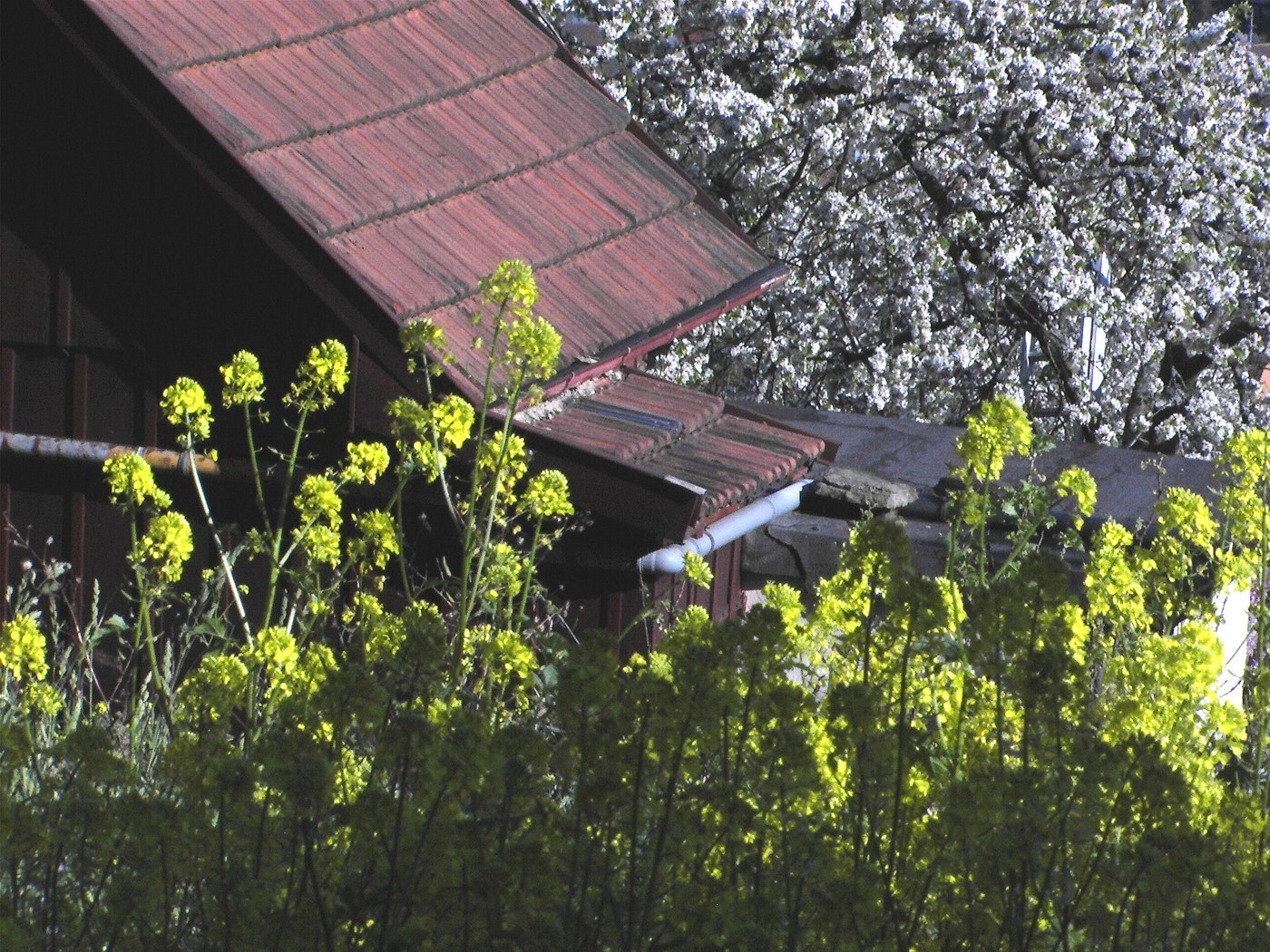
Key Identifying Features
Wild mustard (Sinapis arvensis, also called charlock) is an annual broadleaf weed in the cabbage family with bright yellow, four-petaled flowers arranged in a cross. Massed in a field, it forms sheets of yellow. It is identified by the classic mustard-family flower, bristly lower leaves, and beaked elongated seed pods.
- Four yellow petals in a cross (cruciform) flower
- Six stamens (four long, two short) inside each flower
- Lower leaves lobed and bristly-hairy
- Seed pods are slender with a long beak, held outward from the stem
Leaves & Stems
The lower leaves are large, coarsely toothed and lobed (lyre-shaped), and roughly bristly-hairy, with a large terminal lobe. Upper leaves are smaller, narrower, less lobed, and stalkless but not clasping. Stems are erect, branching, and bristly with stiff hairs, especially toward the base, reaching 1-3 feet.
Flowers & Fruit
Flowering runs from late spring through summer. Flowers are bright yellow, about 1/2 to 3/4 inch across, with four petals in a cross, clustered at the stem tips. The fruit is a key feature: a slender seed pod (silique) 1-2 inches long with a noticeably long, flattened beak at the tip, held spreading or angled away from the stem. The pods are slightly knobbly over the seeds.
How to Tell It Apart from Look-Alikes
- Wild radish (Raphanus raphanistrum): very similar yellow/white flowers, but its pods are jointed and constricted between seeds like a beaded necklace; wild mustard pods are smooth with a single long beak.
- Black mustard (Brassica nigra): pods are short and pressed close against the stem; wild mustard pods spread outward.
- Yellow rocket / winter cress (Barbarea): smoother, glossier leaves and earlier blooming; wild mustard is bristly.
The combination of bristly lobed lower leaves + yellow cross flowers + long-beaked outward-spreading pods confirms wild mustard.
Where You'll Find It
Wild mustard is a widespread weed of cultivated and disturbed ground: crop fields (especially grain and canola), gardens, roadsides, waste areas, and field margins across North America, Europe, and beyond. It favors fertile, recently tilled soils and full sun.
Quick ID Checklist
- Bright yellow 4-petaled cross flowers
- Bristly, lobed lower leaves
- Erect bristly branching stem, 1-3 feet
- Slender seed pods with a long beak, spreading from the stem
- Mustard/cabbage smell when crushed
- Fields, gardens, and disturbed sunny ground
Frequently asked questions
What flower shape identifies wild mustard?
Four bright yellow petals arranged in a cross (the classic mustard-family cruciform flower), with six stamens inside. Massed plants create sheets of yellow in fields.
How do I tell wild mustard from wild radish?
Look at the seed pods. Wild mustard has smooth, slender pods ending in one long beak, while wild radish has jointed pods that are constricted between the seeds like a beaded necklace.
Is wild mustard related to crops?
Yes, it is in the cabbage/mustard family (Brassicaceae), related to canola, broccoli, and table mustard, and it has the same crucifer scent when the leaves are crushed.
Where does wild mustard grow best?
It thrives in fertile, recently disturbed soil in full sun, which is why it is a common weed of grain and canola fields, gardens, and roadsides.