
How to Care for Wisteria
Master Wisteria with strong support, full sun, and disciplined pruning for cascading spring flowers on a vigorous woody vine.
Read the full Wisteria encyclopedia entry →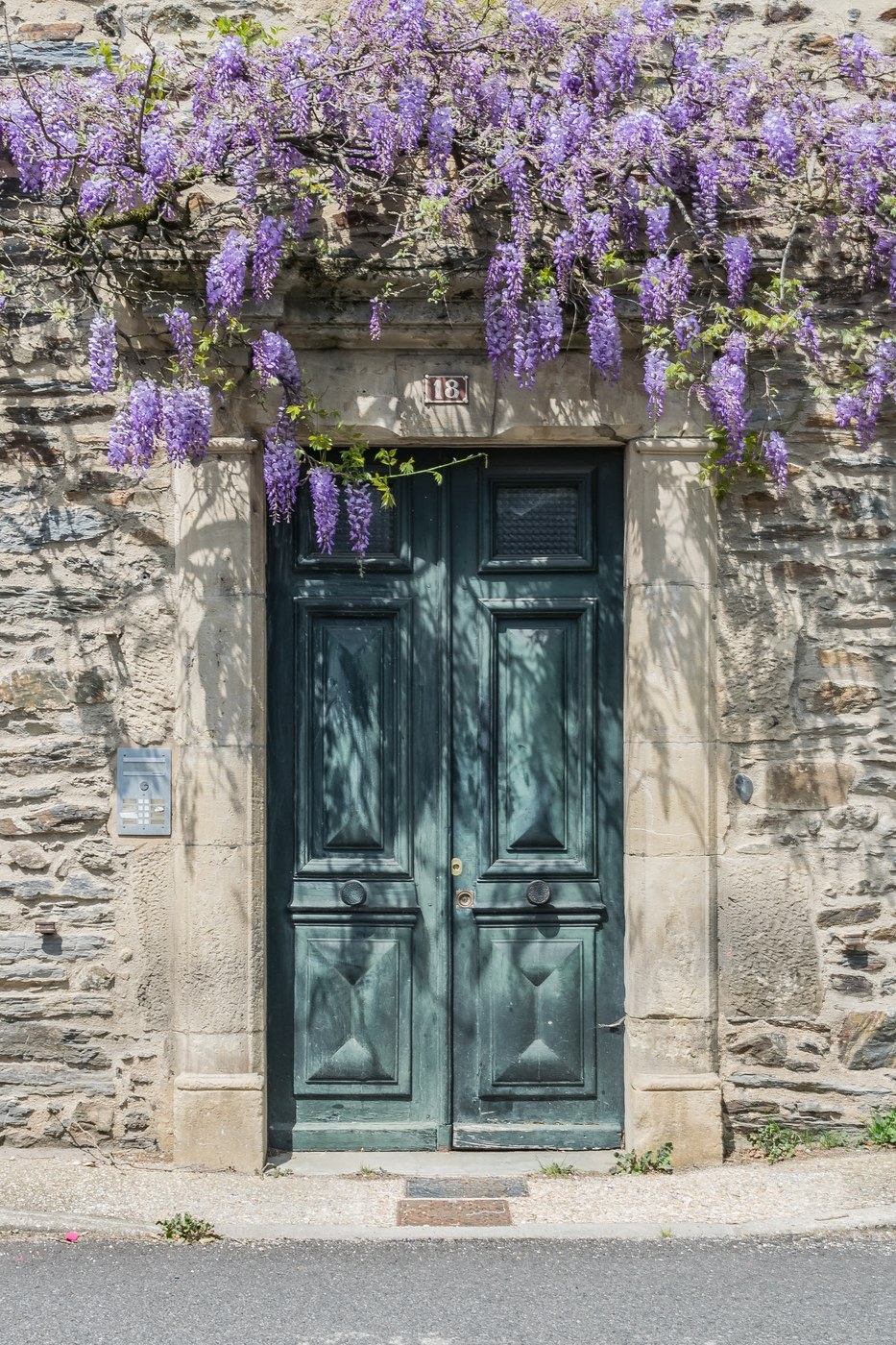
Wisteria is a vigorous, long-lived woody climber prized for its dramatic pendulous clusters of fragrant spring flowers. It rewards patience and firm management: give it a strong structure and consistent pruning, and it becomes a spectacular centerpiece.
Light
Wisteria demands full sun, at least six hours of direct light daily, to bloom well. Flowering is dramatically reduced in shade. Plant it where it gets sun on the flowering wood, ideally a south- or west-facing wall, sturdy pergola, or freestanding arbor.
Water
Water needs are moderate. Keep young plants consistently moist through their first two or three seasons while roots establish. Mature Wisteria is fairly drought tolerant but benefits from deep watering during extended dry spells, especially while buds are forming and flowering. Avoid constantly waterlogged soil.
Soil & Potting
Wisteria grows in most fertile, well-drained soils and tolerates a range of pH. It prefers deep, moisture-retentive ground with good drainage. Because it is enormously vigorous, it is best grown in the ground; container culture is possible only with a large, heavy pot, a robust support, and disciplined pruning.
Humidity & Temperature
Wisteria is a hardy temperate plant that needs a period of winter cold and tolerates hot summers well. Late spring frosts can damage emerging flower buds, so in frost-prone areas choose a slightly sheltered site. It is untroubled by ordinary outdoor humidity levels.
Feeding
Feed sparingly. Excess nitrogen drives rampant leafy growth at the expense of flowers. A spring application of a phosphorus-rich (bloom-type) or balanced low-nitrogen fertilizer supports flowering. Many established wisterias bloom best with almost no feeding once mature; overfeeding is a common cause of an all-leaves, no-flowers vine.
Propagation
Wisteria is usually propagated by softwood or semi-ripe cuttings taken in summer, or by layering low branches into the soil until they root. Named grafted plants bloom far sooner than seed-grown ones. Seed-grown wisteria can take many years, sometimes a decade or more, to flower, which is why cuttings and grafted stock are strongly preferred.
Repotting / Pruning
Pruning is the single most important task for good flowering. Prune twice a year: in mid to late summer, shorten the whippy new shoots back to about five or six leaves; then in winter, cut those same shoots back further to two or three buds to build a framework of flowering spurs. Train the main stems onto strong wires or a heavy structure while young, as mature stems become thick and powerful. Container plants need root and top pruning to stay manageable.
Common Problems & Pests
The classic problem is failure to bloom, caused by too much shade, excess nitrogen, seed-grown immaturity, or insufficient pruning. Address these and blooming usually follows. Wisteria is otherwise robust; watch for aphids and scale on new growth, and treat with insecticidal soap or horticultural oil. Ensure supports are genuinely strong, because a mature vine's weight can pull down flimsy trellises and stress gutters or downpipes.
Seasonal Care Tips
In spring, enjoy the bloom and apply a light bloom-focused feed. In summer, do the first pruning to control rampant growth. In autumn, tidy and mulch. In winter, complete the spur pruning and check and reinforce supports. Consistent two-season pruning year after year is what turns an unruly vine into a reliable bloomer.
Frequently asked questions
Why won't my Wisteria flower?
The usual causes are too much shade, excess nitrogen fertilizer, a seed-grown plant that is still immature, or lack of proper pruning. Give it full sun, stop high-nitrogen feeding, and prune twice a year to build flowering spurs.
How and when should I prune Wisteria?
Prune twice yearly. In mid to late summer, cut the long new shoots back to about five or six leaves. In winter, shorten those same shoots to two or three buds. This builds the short spurs that carry the flowers.
How long until a new Wisteria blooms?
Grafted or cutting-grown plants may flower within a few years. Seed-grown wisteria can take many years, sometimes a decade, so buy a named, grafted plant if you want blooms sooner.
What kind of support does Wisteria need?
A very strong one. Mature stems become thick and heavy, so use robust wires, a sturdy pergola, or a heavy arbor. Avoid flimsy trellises and keep it off gutters and downpipes, which it can damage.