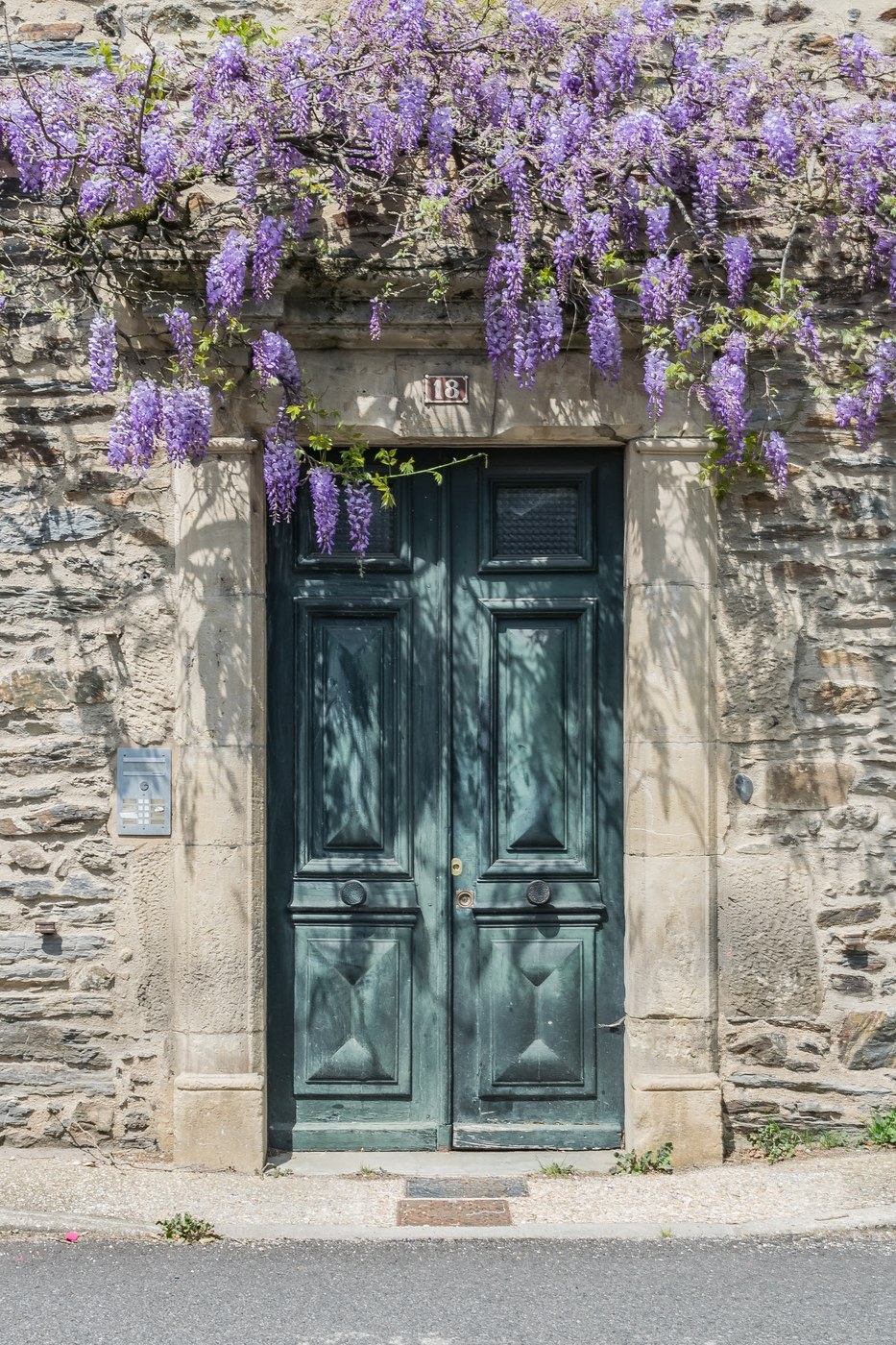
Wisteria
Wisteria sinensis
Wisteria is a vigorous woody climbing vine famous for dramatic cascades of fragrant purple, blue, or white flowers in spring. It is beautiful but can become invasive and needs firm pruning.
- Light
- Full sun
- Water
- Moderate; water during dry spells
- Difficulty
- Moderate
Got a plant like this?
Identify any plant from a photo, free.
Overview
Wisteria is a deciduous woody vine grown for its breathtaking pendulous flower clusters that drape over pergolas, walls, and arbors in late spring. The most common are Chinese (Wisteria sinensis) and Japanese (W. floribunda) species.
Wisteria is long-lived and extremely vigorous, capable of crushing weak supports and overtaking structures. It rewards patience—seedlings can take many years to first bloom—and benefits from sturdy support and disciplined pruning.
How to identify it
Identified by twining woody stems and long hanging racemes of pea-like flowers.
- Flowers: Long, drooping clusters (racemes) of fragrant pea-shaped blooms in lavender, purple, blue, pink, or white
- Leaves: Compound (pinnate) with many oval leaflets, emerging after or with the flowers
- Stems: Twining woody vines that thicken with age into trunk-like stems
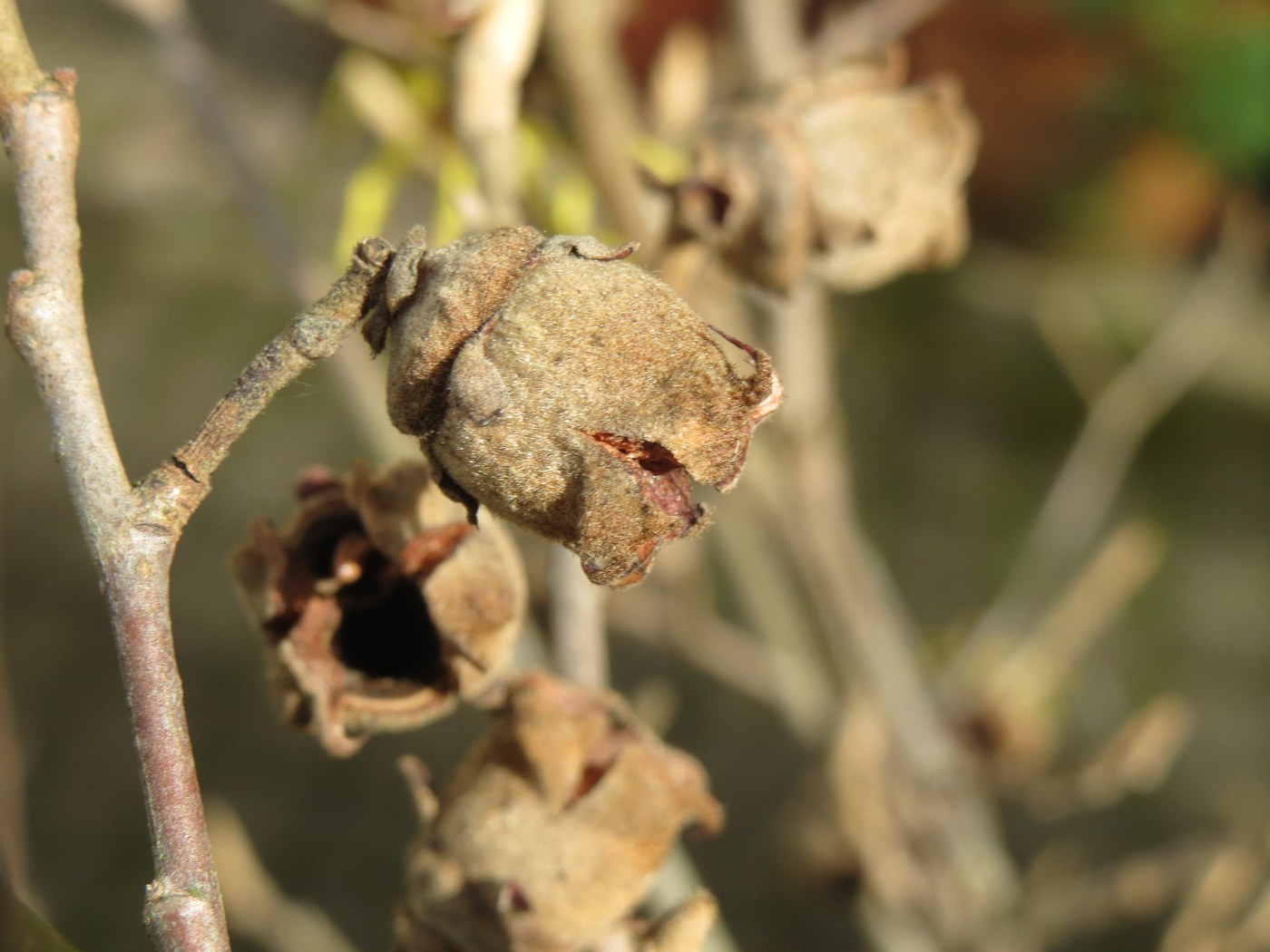
- Seedpods: Velvety, bean-like pods that follow flowering
Care & growing
Wisteria needs sun, strong support, and regular pruning to flower well.
- Light: Full sun (at least 6 hours) for abundant bloom
- Water: Moderate; water during dry spells, especially when establishing
- Soil: Fertile, well-draining soil; tolerates a range of types
- Temperature: Hardy in temperate zones
- Feeding: Avoid high nitrogen, which favors foliage over flowers; phosphorus can help blooming
- Maintenance: Prune twice yearly (summer and winter) to control growth and encourage flowering spurs
- Support: Provide a very strong structure—it can damage gutters and weak trellises
Habitat & origin
Chinese and Japanese wisterias are native to East Asia, while a few species are native to the eastern United States. They naturally climb through woodland edges and riverbanks.
Widely planted ornamentally on pergolas and house facades, Asian wisterias have become invasive in parts of the southeastern U.S., where they smother native vegetation.
Frequently asked questions
Why won't my wisteria flower?
Common reasons are immaturity (it can take 3-7+ years), too much nitrogen, too much shade, or improper pruning. Prune twice a year and ensure full sun.
Is wisteria invasive?
Asian wisterias (Chinese and Japanese) are invasive in parts of the southeastern U.S.; native American wisteria is less aggressive.
How do I keep wisteria under control?
Provide a strong support and prune hard twice a year, in summer and again in winter, to limit size and boost flowering.
Wisteria guides
In-depth guides for identifying, growing, and caring for Wisteria.
How to Care for Wisteria
Master Wisteria with strong support, full sun, and disciplined pruning for cascading spring flowers on a vigorous woody vine.
Wisteria Identification Guide
Identify wisteria by its long cascading clusters of fragrant pea flowers, compound pinnate leaves, twining woody stems, and velvety seed pods.