
How to Care for Wood Anemone
Grow the delicate spring woodland Wood Anemone (Anemone nemorosa): dappled shade, moist spring soil, and easy naturalizing under trees.
Read the full Wood Anemone encyclopedia entry →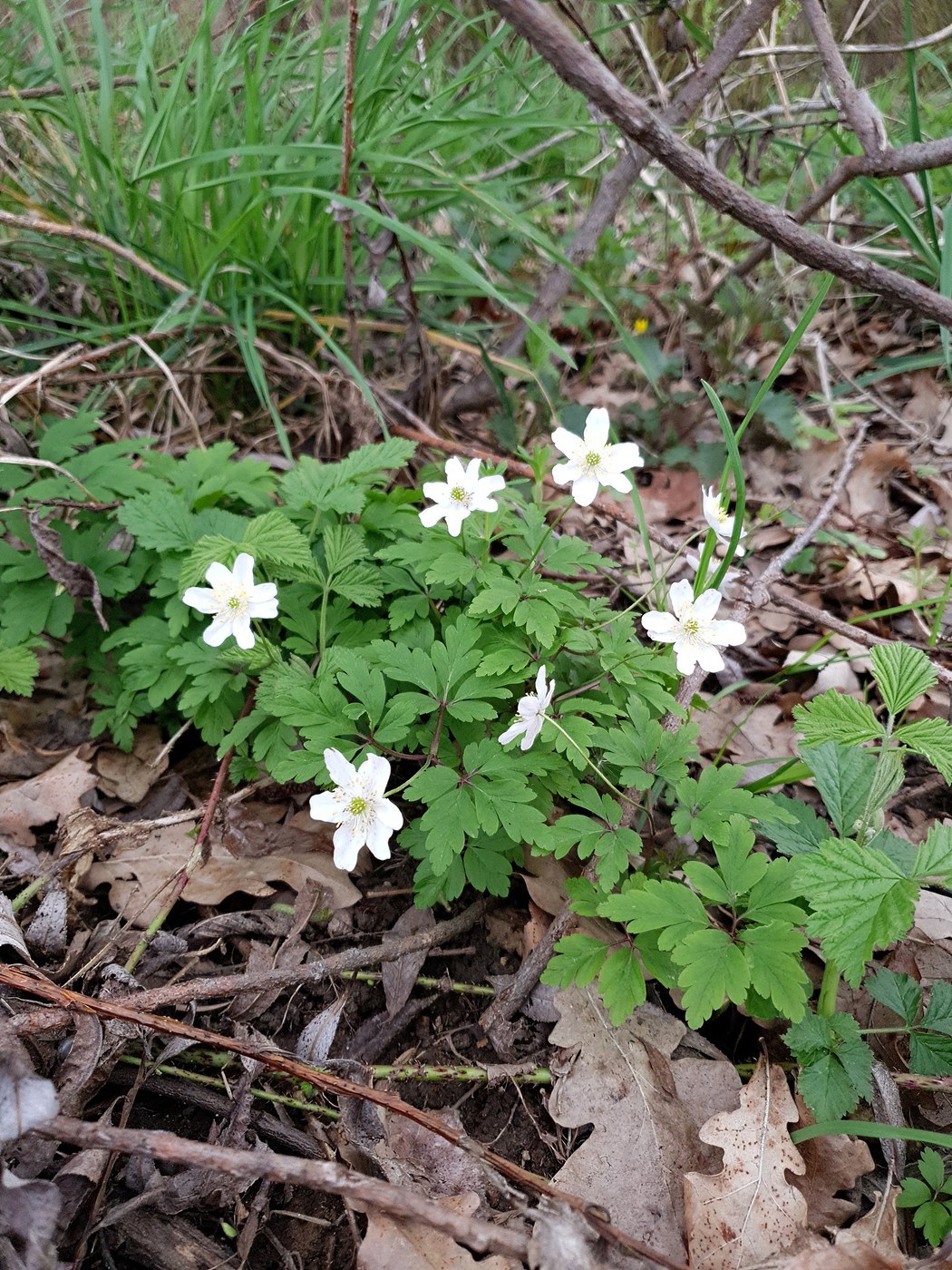
Wood Anemone (Anemone nemorosa) is a low-growing, spring-flowering woodland perennial that carpets shady ground with star-shaped white flowers, often flushed pink or lilac, above finely cut foliage. A spring ephemeral, it emerges early, blooms, and then dies back to its slender rhizomes for a summer rest. It is easy to grow in the right woodland setting.
Light
Wood Anemone naturally grows on the woodland floor and prefers dappled shade to partial sun. It flowers in the bright early-spring light before deciduous trees leaf out, then tolerates the deeper shade of summer as it goes dormant. It dislikes hot, exposed positions in full afternoon sun, which dry it out too quickly.
Water
Keep the soil evenly moist during the spring growing and flowering season, mimicking the damp leaf litter of a forest floor. Once the foliage yellows and dies back in early summer, the dormant rhizomes tolerate drier conditions and need no supplemental water. Avoid waterlogged soil in winter, which can rot the rhizomes.
Soil & Potting
Grow in humus-rich, moisture-retentive but well-drained soil, ideally leafy woodland soil with plenty of organic matter. It favors neutral to slightly acidic conditions and thrives where fallen leaves are allowed to accumulate and break down. Enrich planting areas with leaf mould or compost. It naturalizes beautifully beneath deciduous trees and shrubs.
Humidity & Temperature
This is a hardy temperate woodland plant that welcomes cool, moist spring conditions. It is very cold-tolerant and needs winter chill for its natural dormancy cycle. It is unsuited to hot, dry climates. Cool spring air and the moist microclimate of a shaded bed suit it best.
Feeding
Wood Anemone needs little feeding in decent woodland soil. An annual autumn or early-spring mulch of leaf mould or well-rotted compost supplies all the nutrients it requires and mimics its natural habitat. Heavy fertilizing is unnecessary and can encourage foliage at the expense of the plant's naturally delicate character.
Propagation
Propagate by dividing the slender, brittle rhizomes. The best time is in summer just as the plant goes dormant, or in early autumn. Lift and gently break the rhizomes into short sections, each with a growing point, and replant them shallowly, about an inch or two deep, in prepared woodland soil. It can also be grown from fresh seed, though this is slower. Established colonies spread steadily on their own.
Repotting / Pruning
Wood Anemone requires no pruning; simply let the foliage die back naturally after flowering so the rhizomes can store energy for next year. Do not cut or remove leaves while they are still green. If grown in containers, divide and refresh the compost every couple of years during dormancy. In the garden it is best left undisturbed to form spreading drifts.
Common Problems & Pests
Wood Anemone is generally trouble-free. It can be affected by fungal issues such as rust or powdery mildew in stagnant, overly damp conditions; good air circulation and appropriate spacing help. Slugs may nibble emerging shoots in spring. The main pitfalls are planting in too much sun or in dry soil, and disturbing the plant during active growth, both of which weaken the colony.
Seasonal Care Tips
Plant dormant rhizomes in autumn, laying them horizontally an inch or two deep. In spring, keep soil moist and enjoy the early flowers before the tree canopy closes. Allow the foliage to yellow and die back undisturbed in early summer. Apply a mulch of leaf mould in autumn to enrich the soil, and leave established drifts alone to naturalize and expand year after year.
Frequently asked questions
Why did my Wood Anemone disappear in summer?
This is completely normal. Wood Anemone is a spring ephemeral that blooms early, then dies back to dormant rhizomes for the summer, reappearing the following spring.
When and how do I plant Wood Anemone?
Plant the slender dormant rhizomes in autumn, laying them horizontally about one to two inches deep in humus-rich, moist woodland soil in dappled shade.
How do I get Wood Anemone to spread?
Give it the moist, leafy, lightly shaded conditions it likes and leave it undisturbed. It spreads naturally by rhizome; you can also divide clumps in summer dormancy to start new drifts.
Can Wood Anemone grow in full sun?
It prefers dappled shade to partial sun and flowers in the bright light of early spring before trees leaf out. Hot, exposed full-sun sites dry it out and are best avoided.
Should I cut back the foliage after flowering?
No. Let the leaves yellow and die back naturally so the rhizomes can store energy for next season. Removing green foliage weakens the plant.