
How to Care for Woolly Senecio
Grow Woolly Senecio (Senecio haworthii), a felted white succulent: bright sun, very sparse watering and gritty, fast-draining soil.
Read the full Woolly Senecio encyclopedia entry →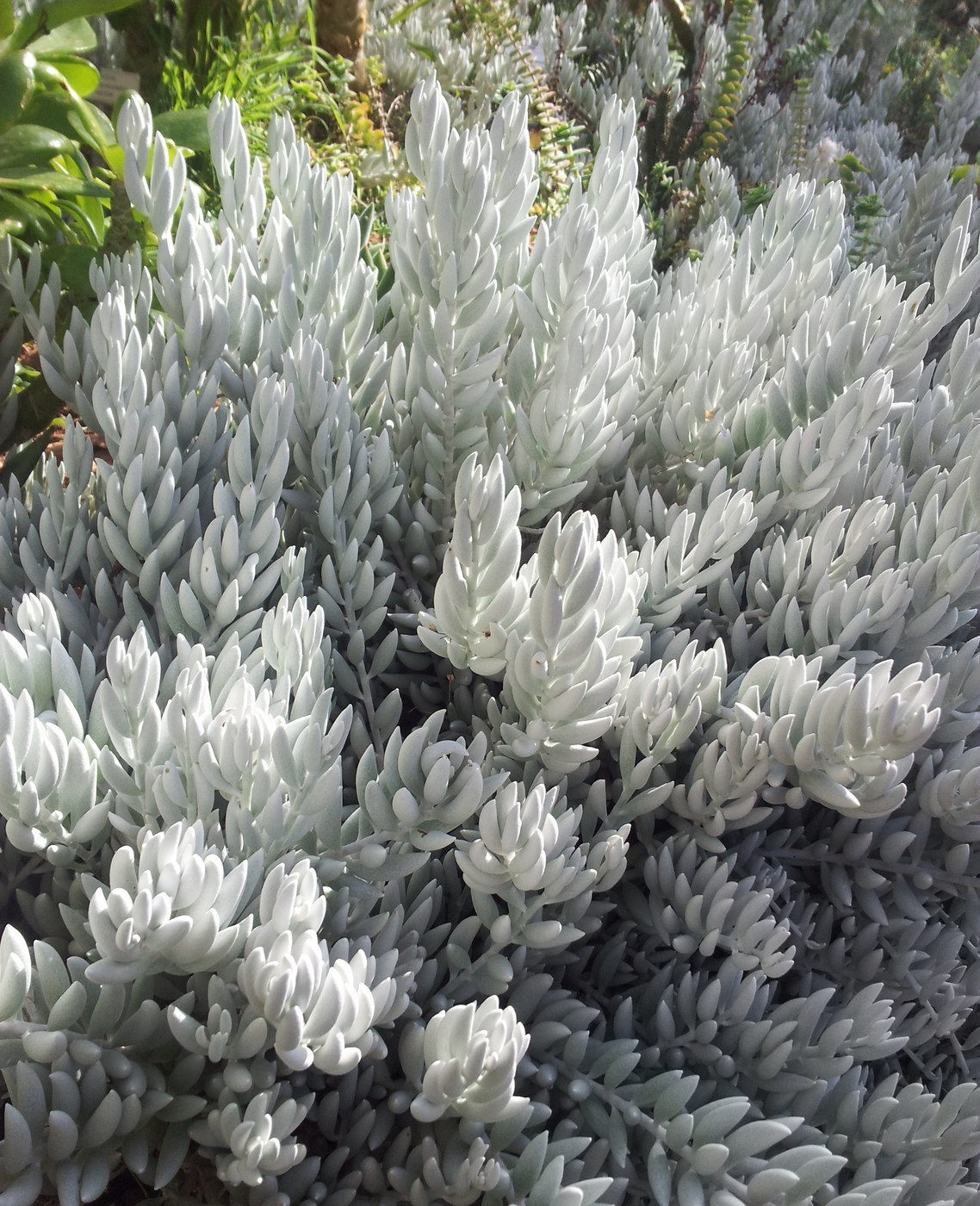
Woolly Senecio (Senecio haworthii, syn. Caputia tomentosa) is a striking succulent whose plump, cylindrical leaves are wrapped in dense, snow-white wool. It is a beautiful but somewhat challenging plant that demands sharp drainage and a careful hand with water.
Light
Provide full sun to very bright light. Strong light keeps the leaves tightly packed, upright and brilliantly white, and it drives the compact, healthy growth this plant is grown for. In dim conditions it stretches, the wool thins, and the plant weakens. A sunny south-facing window or bright outdoor position is essential.
Water
Water very sparingly and always let the soil dry out completely between drinks. This is a drought-adapted succulent that stores ample water in its felted leaves, and it is extremely sensitive to overwatering. When you do water, soak thoroughly, then withhold entirely until the mix is bone dry. In cooler months, water only rarely.
Soil & Potting
Sharp drainage is non-negotiable. Use a very gritty, fast-draining mineral succulent mix — heavier on pumice, coarse sand and grit than on organic matter. A shallow, unglazed clay pot with generous drainage holes helps the root zone dry quickly. Never let it sit in soggy or dense, water-retentive soil.
Humidity & Temperature
Woolly Senecio wants warm, dry air and dislikes humidity, which encourages rot in its woolly coat. It thrives in warm room or garden temperatures and is frost-tender, so keep it above freezing and protect it from cold, damp winter conditions. Excellent air circulation is important, especially indoors.
Feeding
Feeding needs are very low. At most, offer a single heavily diluted dose of low-nitrogen succulent fertilizer once during the active growing season. Overfeeding forces soft, weak growth that spoils the plant's tight form and makes it more prone to rot.
Propagation
Propagate from stem or leaf cuttings, but do so patiently. Let cut surfaces callus and dry for several days — longer than for most succulents — before setting them on barely moist, gritty mix. Keep cuttings on the dry side and rooting will follow slowly; excess moisture at this stage causes rot.
Repotting / Pruning
Repot infrequently, only every few years and ideally in the growing season, handling the delicate wool gently since it marks easily. Prune only to remove damaged growth or to take cuttings. Try to avoid touching the leaves unnecessarily, as the felt can be disturbed and won't fully recover.
Common Problems & Pests
Rot from overwatering or poor drainage is by far the greatest danger — mushy, blackening stems signal trouble, and prevention through a dry regimen is the only real cure. Stretching and thinning wool indicate too little light. Watch for mealybugs hiding in the wool and treat promptly. Damp, stagnant air invites fungal issues, so keep it airy.
Seasonal Care Tips
Growth is strongest in the cooler, brighter parts of the year, with many plants slowing or resting in peak summer heat — reduce watering during any dormancy. In winter, keep the plant cool, bright and nearly bone dry, giving only the barest sip to prevent shriveling. Move it well away from frost and winter damp.
Frequently asked questions
Why did my Woolly Senecio turn mushy and black?
That is rot, almost always from overwatering or dense, poorly drained soil. Let the plant dry out completely between waterings and grow it in a very gritty, fast-draining mineral mix.
How often should I water Woolly Senecio?
Very rarely — only once the soil is completely bone dry, which may be every few weeks in summer and much less in winter. When in doubt, wait longer, as it tolerates drought far better than excess moisture.
Why is the white wool on my Woolly Senecio thinning?
Thinning wool and stretching stems point to insufficient light. Move the plant to your brightest spot with strong sun; bright light keeps the felted coat dense and the growth compact.
Why is Woolly Senecio considered hard to grow?
It is unusually sensitive to overwatering, humidity and poor drainage, and its woolly leaves mark easily. Success comes down to very sparse watering, sharp-draining soil, bright light and dry, airy conditions.