How to Care for Wormwood
Grow silvery, aromatic Wormwood in full sun and lean, dry soil for a tough, drought-tolerant ornamental foliage plant.
Read the full Wormwood encyclopedia entry →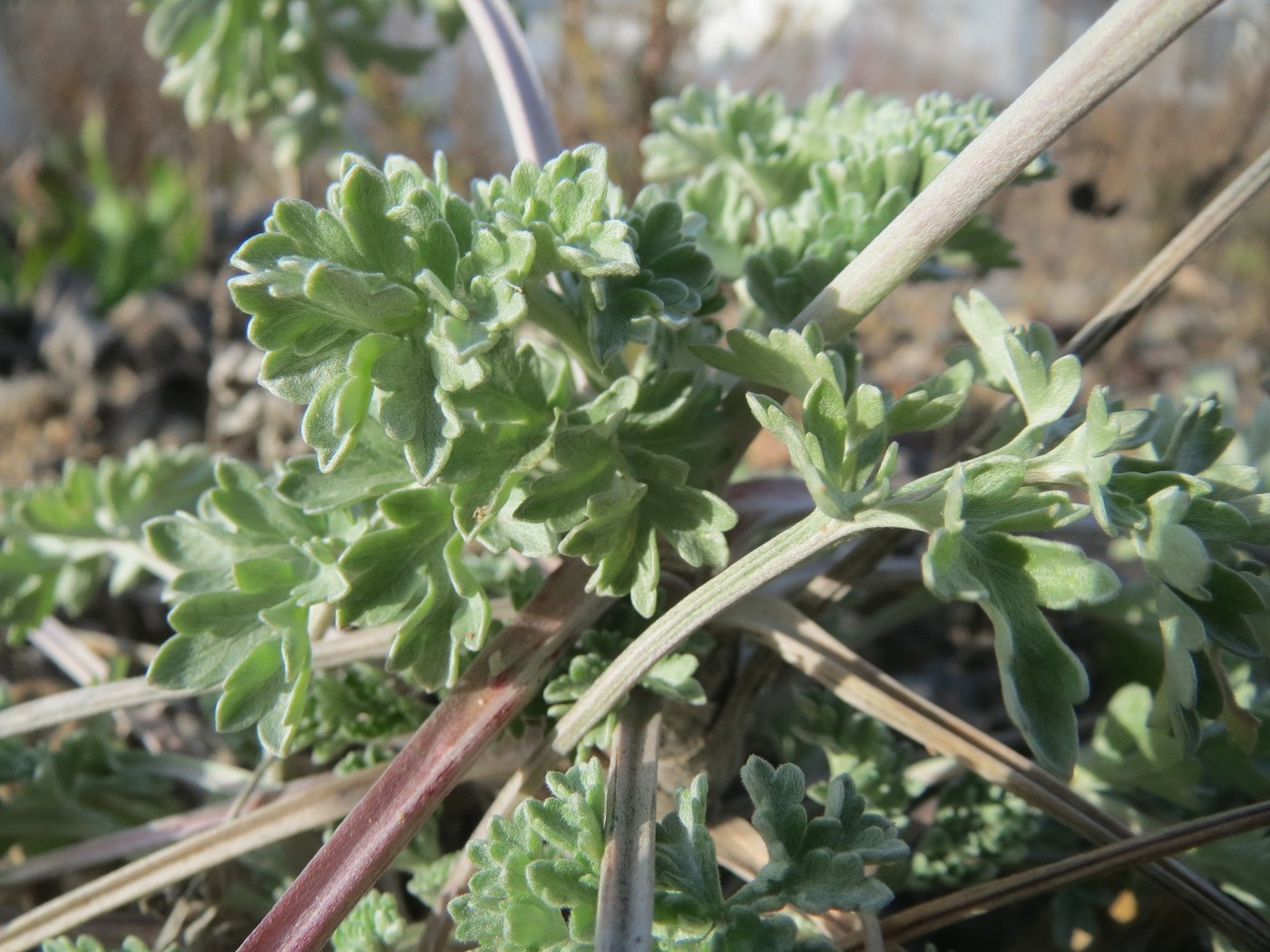
Wormwood (Artemisia absinthium) is a hardy perennial grown for its finely divided, silvery-gray aromatic foliage that adds cool texture and contrast to sunny borders and containers. It is easy, thrives on neglect, and rewards you most when given hot sun and sharp drainage.
Light
Full sun is essential. At least six hours of direct sunlight keeps the foliage compact, densely silvered, and upright. In too much shade the plant flops open, greens up, and grows leggy and weak. Give it the sunniest position available.
Water
Keep it on the dry side. Wormwood is markedly drought-tolerant once established and dislikes constant moisture. Water young plants until they root in, then water only during extended dry spells. Established plants generally get by on rainfall. Let the soil dry well between waterings and never allow the crown to sit soggy.
Soil & Potting
Lean, well-drained soil is ideal. It tolerates poor, gritty, sandy, or rocky ground and actually holds its silver color and dense form better in low-fertility soil. Avoid heavy, wet clay. In containers, use a free-draining mix with added grit or perlite and a pot with drainage holes.
Humidity & Temperature
Wormwood prefers dry air and open airflow, which help prevent foliar problems. It is cold-hardy across a wide temperature range and handles heat well. Good spacing and ventilation are more important than any particular humidity level; crowded, still, damp air invites mildew.
Feeding
Feed little to none. Rich feeding produces lush, floppy, greener growth that loses the plant's tidy silver character. If growing in very poor soil, a single light application of balanced fertilizer in spring is more than enough.
Propagation
Propagate by softwood or semi-ripe stem cuttings taken in late spring to summer, by division of established clumps in spring or fall, or from seed sown on the surface (the seed needs light to germinate). Cuttings root readily in a gritty, barely moist medium.
Repotting / Pruning
Prune hard in early spring, cutting the plant back by about one-half to two-thirds to keep it dense and prevent a woody, open base. A lighter shearing after the growing flush also tidies its form. Divide or repot every couple of years to refresh vigor; do this in spring.
Common Problems & Pests
Wormwood is largely trouble-free. The main issues stem from too much water or poor drainage, which can cause root rot and a collapsing, blackened crown. In humid, crowded conditions it may show powdery mildew or rust; improve airflow and avoid overhead watering. Aphids occasionally appear on new growth and can be rinsed off.
Seasonal Care Tips
Cut back hard in early spring to force fresh, compact growth. Water sparingly through summer and skip feeding. In fall, tidy the plant and ensure the crown will not sit in winter wet, which is the most common cause of loss in cold, damp climates.
Frequently asked questions
Why is my Wormwood flopping open in the middle?
Flopping is usually caused by too little sun or too much water and fertility. Move it to full sun, cut back on feeding and watering, and prune it hard in spring to restore a dense, upright shape.
How much water does Wormwood need?
Very little once established. It is drought-tolerant, so water only during prolonged dry periods and let the soil dry thoroughly between waterings.
Should I fertilize Wormwood?
Rarely. It keeps its best silver color and compact form in lean soil, so skip feeding or apply just one light dose in spring at most.
When should I prune Wormwood?
Cut it back by half to two-thirds in early spring to keep growth dense and prevent a woody, bare base, with an optional light trim later in the season.
Wormwood identified by the community
Recent Wormwood specimens identified with Plant Identifier.