Wormwood
Artemisia absinthium
Wormwood is a silvery, aromatic perennial herb best known as the signature botanical associated with absinthe and vermouth. Its finely divided gray-green foliage is aromatic and drought-tough.
- Light
- Full sun
- Water
- Low; drought-tolerant
- Difficulty
- Easy
Got a plant like this?
Identify any plant from a photo, free.
Overview
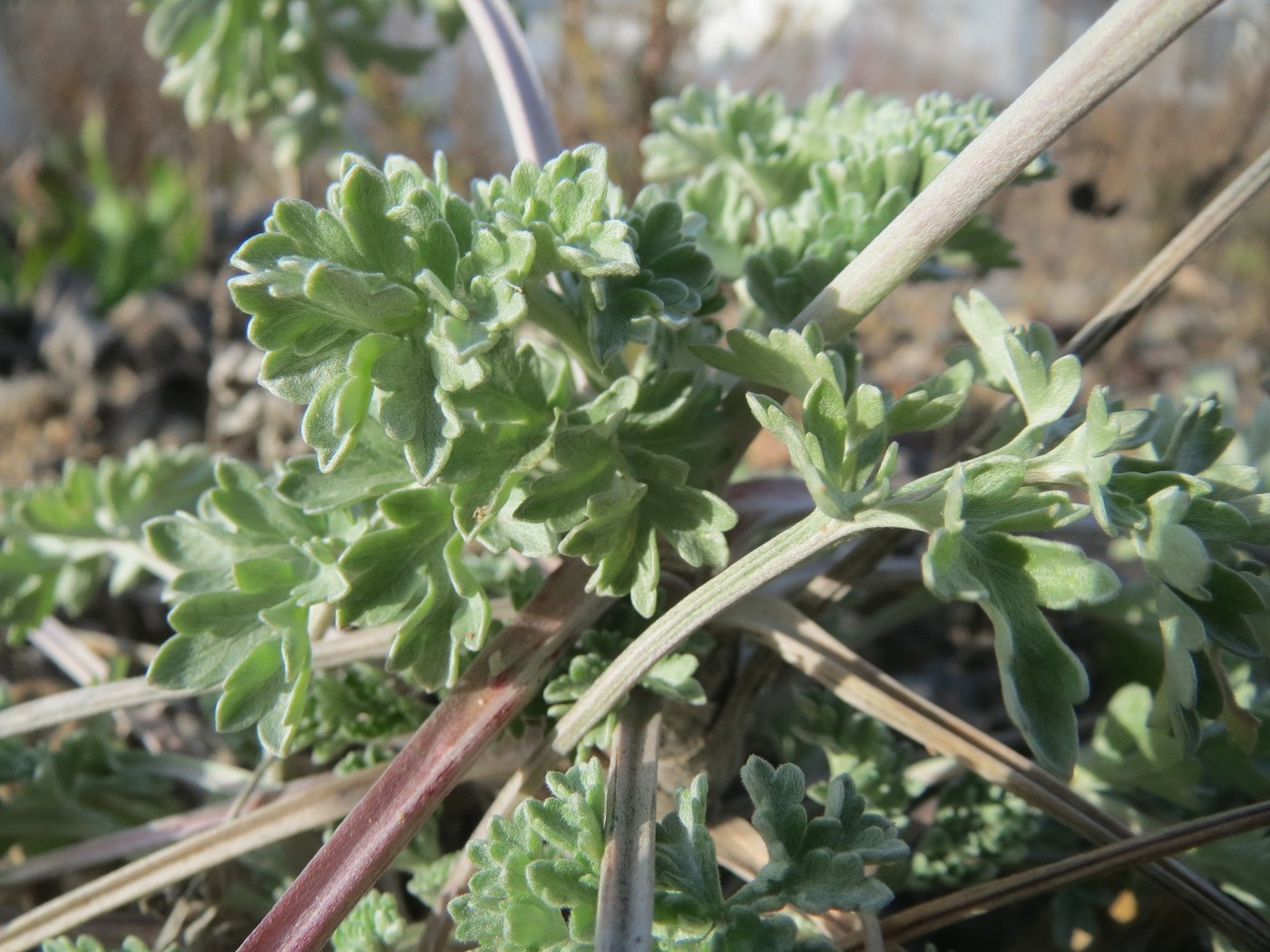
Wormwood (Artemisia absinthium) is a woody-based perennial known for its silvery, silky foliage and frosted, felted appearance.
It has been grown for centuries and is the signature botanical associated with absinthe. The plant is valued in gardens as a silver-foliage accent.
How to identify it
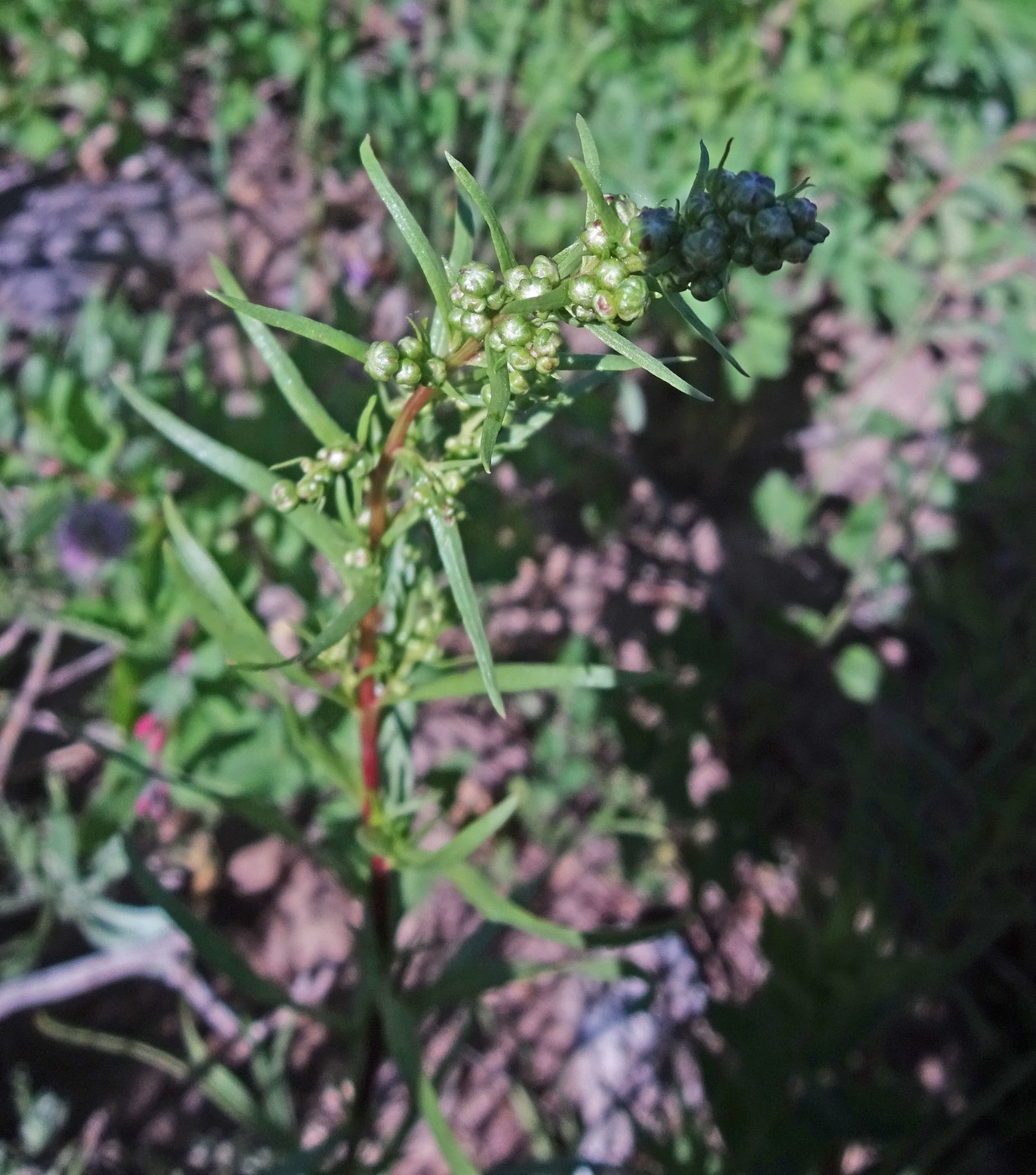
- Foliage: Soft, silver-gray, silky-haired leaves deeply divided into blunt lobes
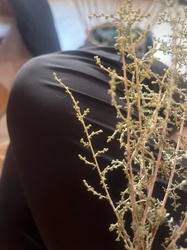
- Flowers: Tiny, drooping, yellowish ball-shaped flowerheads in branched panicles in late summer
- Habit: Bushy, woody-based perennial 2-4 ft tall
- Scent: Strong, sage-like aroma when crushed
- Texture: Whole plant has a felted, frosted appearance
Care & growing
Light: Full sun is essential for compact growth and silver color.
Water: Very drought-tolerant; let soil dry between waterings.
Soil: Poor to average, well-drained soil; tolerates dry, alkaline ground.
Temperature: Hardy to USDA zone 4.
Feeding: Not needed; rich soil causes floppy growth.
Propagation: Division in spring, cuttings, or seed. Cut back hard in spring to refresh the foliage.
Habitat & origin
Native to temperate Europe, North Africa, and western Asia, wormwood grows on dry, disturbed, rocky ground, roadsides, and wastelands.
It has naturalized widely in North America and is grown in herb gardens, silver borders, and xeriscapes worldwide.
Frequently asked questions
Is wormwood the plant associated with absinthe?
Yes. Artemisia absinthium is the herb associated with absinthe, along with botanicals such as anise and fennel.
How do I recognize wormwood?
Look for soft, silver-gray, silky-haired leaves deeply divided into blunt lobes, a bushy woody-based habit 2-4 ft tall, and a strong sage-like aroma when the foliage is crushed.
How do I keep wormwood looking silvery?
Give it full sun and lean, dry soil, and cut it back hard in spring. Rich, wet soil leads to floppy, greener growth.
Wormwood guides
In-depth guides for identifying, growing, and caring for Wormwood.
How to Care for Wormwood
Grow silvery, aromatic Wormwood in full sun and lean, dry soil for a tough, drought-tolerant ornamental foliage plant.
Wormwood Identification Guide
Identify common wormwood (Artemisia absinthium) by its silvery, silky, finely divided leaves, aromatic scent, and nodding yellow flower heads.
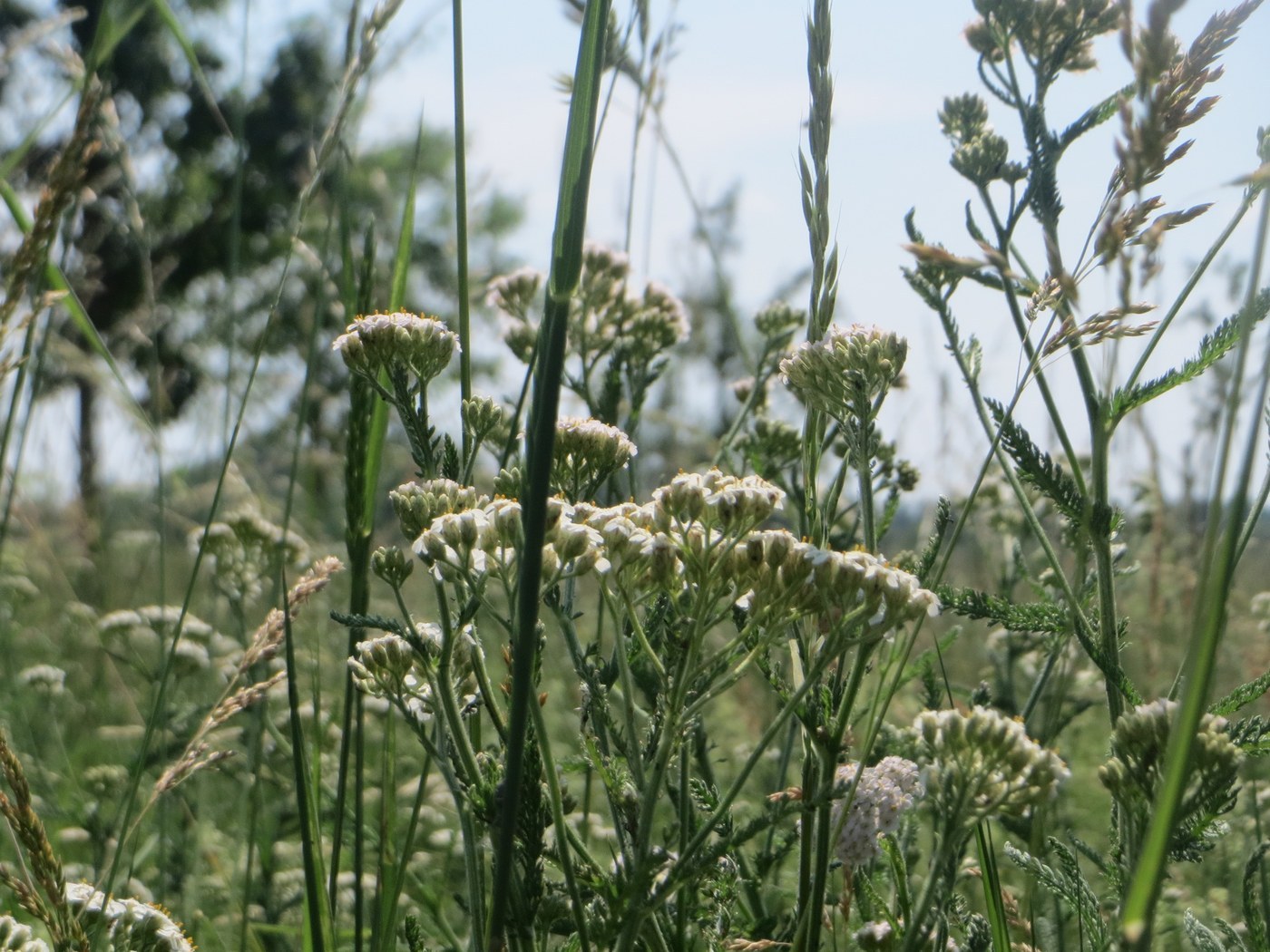
Wormwood identified by the community
Real specimens identified with Plant Identifier.