
How to Care for Yellow Birch
Yellow Birch (Betula alleghaniensis) is a stately, long-lived birch with lustrous bronze-gold curling bark that thrives in cool, moist soil.
Read the full Yellow Birch encyclopedia entry →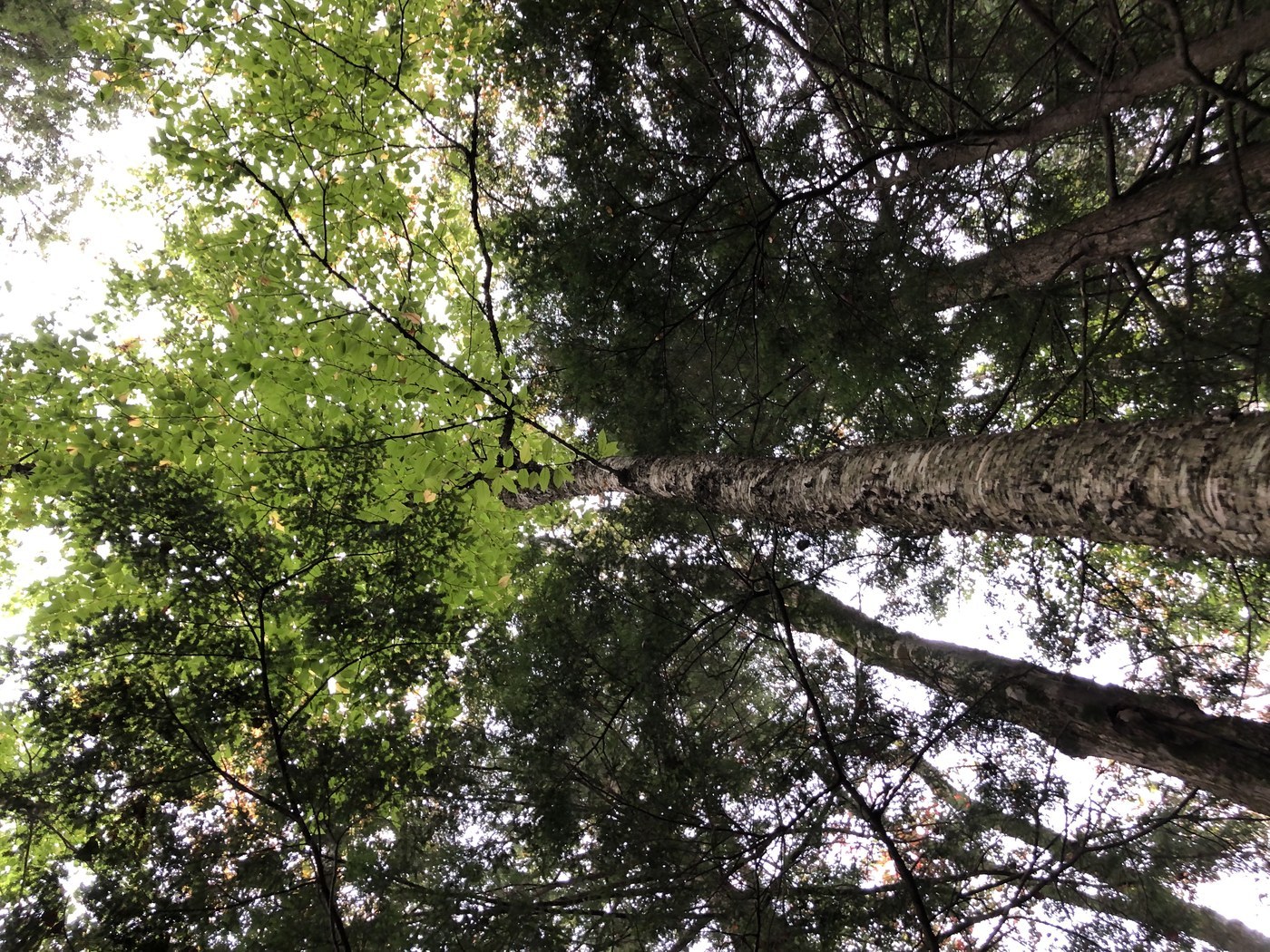
Yellow Birch (Betula alleghaniensis) is a large, long-lived native birch known for its distinctive lustrous, bronze-gold bark that curls in thin, papery strips, and for its golden fall color. A tree of cool northern forests, it thrives where soils stay moist and summers are not too hot.
Light
Yellow Birch grows well in full sun to part shade. Young trees are more shade-tolerant than many birches and establish nicely under light canopy, while mature trees develop the best form in open, sunny to partly sunny positions. A spot with morning sun and cool afternoon conditions suits it especially well in warmer regions.
Water
This birch prefers consistently moist soil and does not tolerate prolonged drought. Keep the root zone evenly moist, especially through the establishment years and during dry summer spells. It naturally grows on cool, damp slopes and streamsides, so mimic those conditions with regular watering and a thick organic mulch to keep roots cool and moist.
Soil & Potting
Provide rich, moist, well-drained, acidic soil high in organic matter. Yellow Birch resents hot, dry, compacted, or alkaline ground and struggles in urban heat. Amend planting soil with compost and maintain a generous mulch ring to replicate its cool woodland floor. Good drainage combined with steady moisture is the ideal balance.
Humidity & Temperature
Yellow Birch is a cold-hardy tree adapted to cool, humid northern climates. It performs poorly where summers are consistently hot and dry, and its roots in particular need to stay cool. In warmer zones, site it where soils remain shaded and moist, and avoid reflected heat from pavement or walls.
Feeding
Feed young trees in early spring with a balanced or acid-favoring fertilizer to support growth, and mulch with compost annually to build soil organic matter. Established trees in good woodland soil need little supplemental feeding. Avoid high-nitrogen pushes that can encourage soft growth vulnerable to pests.
Propagation
Yellow Birch is grown from its tiny seed, which benefits from cold, moist stratification and light to germinate—surface-sow on moist, cool substrate. Seed sown outdoors in fall stratifies naturally over winter. It can also be propagated from softwood cuttings, though seed is the usual method for this forest tree.
Repotting / Pruning
Prune Yellow Birch in summer or late in the dormant season, avoiding late-winter to early-spring cuts when birches bleed heavily from wounds. Remove dead, damaged, or crossing branches and establish good structure while young. Minimal pruning is best. Move container saplings into larger pots before roots circle, and plant out into cool, moist ground while young for best establishment.
Common Problems & Pests
Birches can be troubled by bronze birch borer, especially when heat- or drought-stressed, so keeping the tree cool, moist, and vigorous is the best defense. Leaf miners, aphids, and various caterpillars may also appear. Fungal leaf spots and cankers can occur on stressed trees. Because stress is the underlying cause of most serious problems, correct siting in cool, moist, acidic soil is far more important than any spray program.
Seasonal Care Tips
Plant in spring or fall into cool, moist, acidic soil and mulch heavily. Water diligently through the first summers and during droughts. Prune in summer or dormancy, never in late winter when sap flows freely. Enjoy golden foliage in autumn, and maintain the mulch ring year-round to keep roots cool—its single most important cultural need in warmer areas.
Frequently asked questions
Why is my Yellow Birch struggling in a hot climate?
Yellow Birch is a cool-climate forest tree that dislikes hot, dry summers and warm roots. In warmer regions, plant it where soil stays shaded and moist, mulch heavily to keep roots cool, and water consistently. Heat and drought stress also invite bronze birch borer.
When should I prune Yellow Birch?
Prune in summer or during the later dormant season. Avoid pruning in late winter to early spring, when birches bleed sap heavily from cuts. Focus on removing dead or crossing branches and building good structure while the tree is young.
What soil does Yellow Birch need?
It wants rich, moist, well-drained, acidic soil high in organic matter, similar to a cool woodland floor. Amend with compost, keep a thick mulch ring, and avoid dry, compacted, or alkaline sites where it will decline.
How do I grow Yellow Birch from seed?
The tiny seed needs cold, moist stratification and light to germinate, so surface-sow it on a cool, moist medium. Sowing outdoors in fall lets winter provide natural stratification for spring germination.