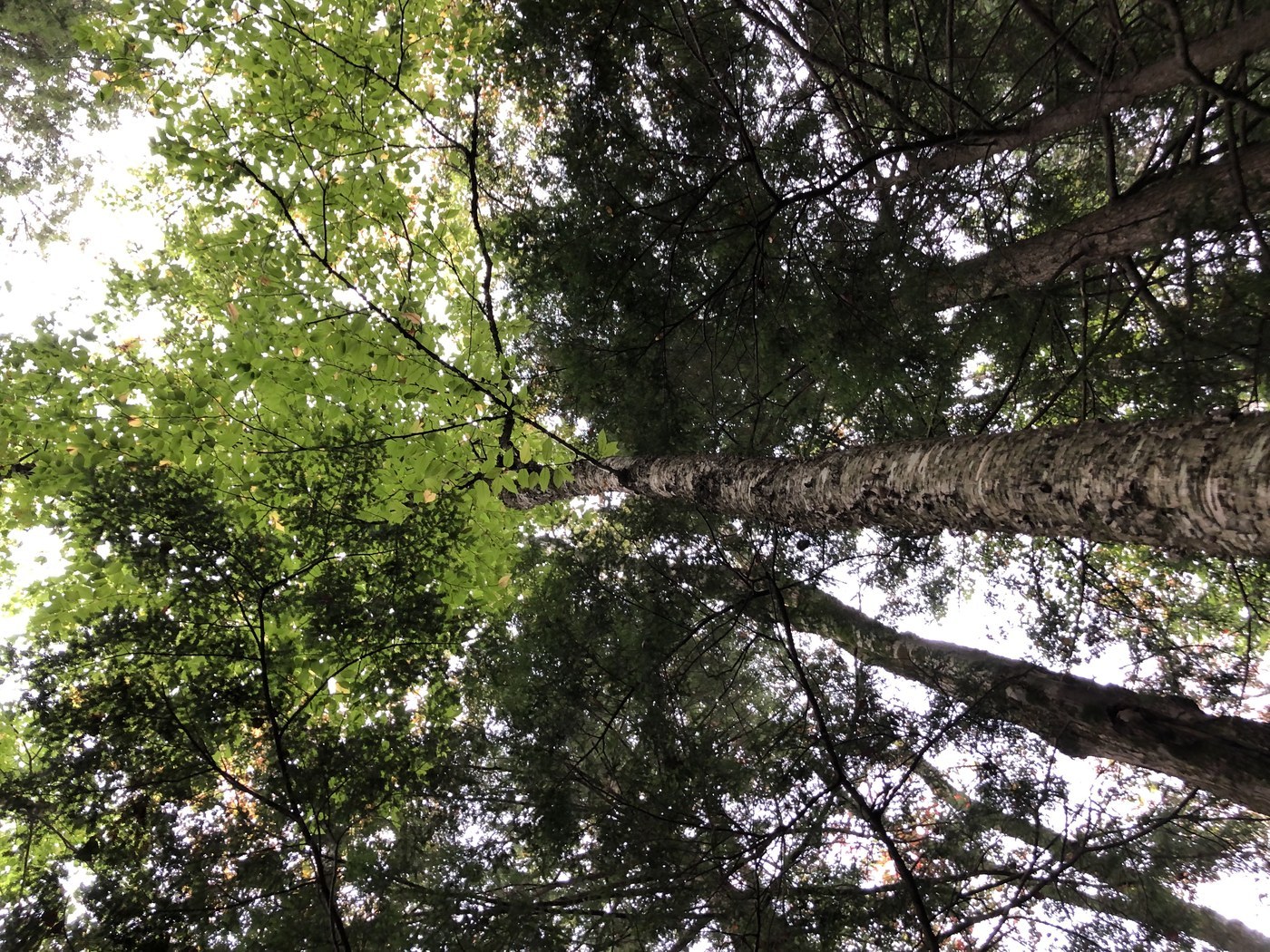
Yellow Birch
Betula alleghaniensis
A long-lived northern hardwood with shiny, peeling bronze-gold bark and twigs that smell of wintergreen when scratched, important for timber and wildlife value.
- Light
- Full sun to part shade
- Water
- Consistently moist soil
- Difficulty
- Moderate
Got a plant like this?
Identify any plant from a photo, free.
Overview
Yellow birch is the largest and longest-lived of the North American birches, a foundational tree of cool, moist northern hardwood forests. Its lustrous yellowish-bronze bark peels in thin, curly papery strips and gives the tree its name.
A hallmark feature is the wintergreen aroma released when a twig or bark is scratched. Slow-growing and shade-tolerant when young, it can live more than 150 years and reach impressive size on good sites.
How to identify it
Bark and aroma are the clearest clues:
- Bark shiny yellowish to bronze-gold, peeling in thin horizontal curls; turns reddish-brown and plated with age
- Twigs smell strongly of wintergreen when scratched or broken
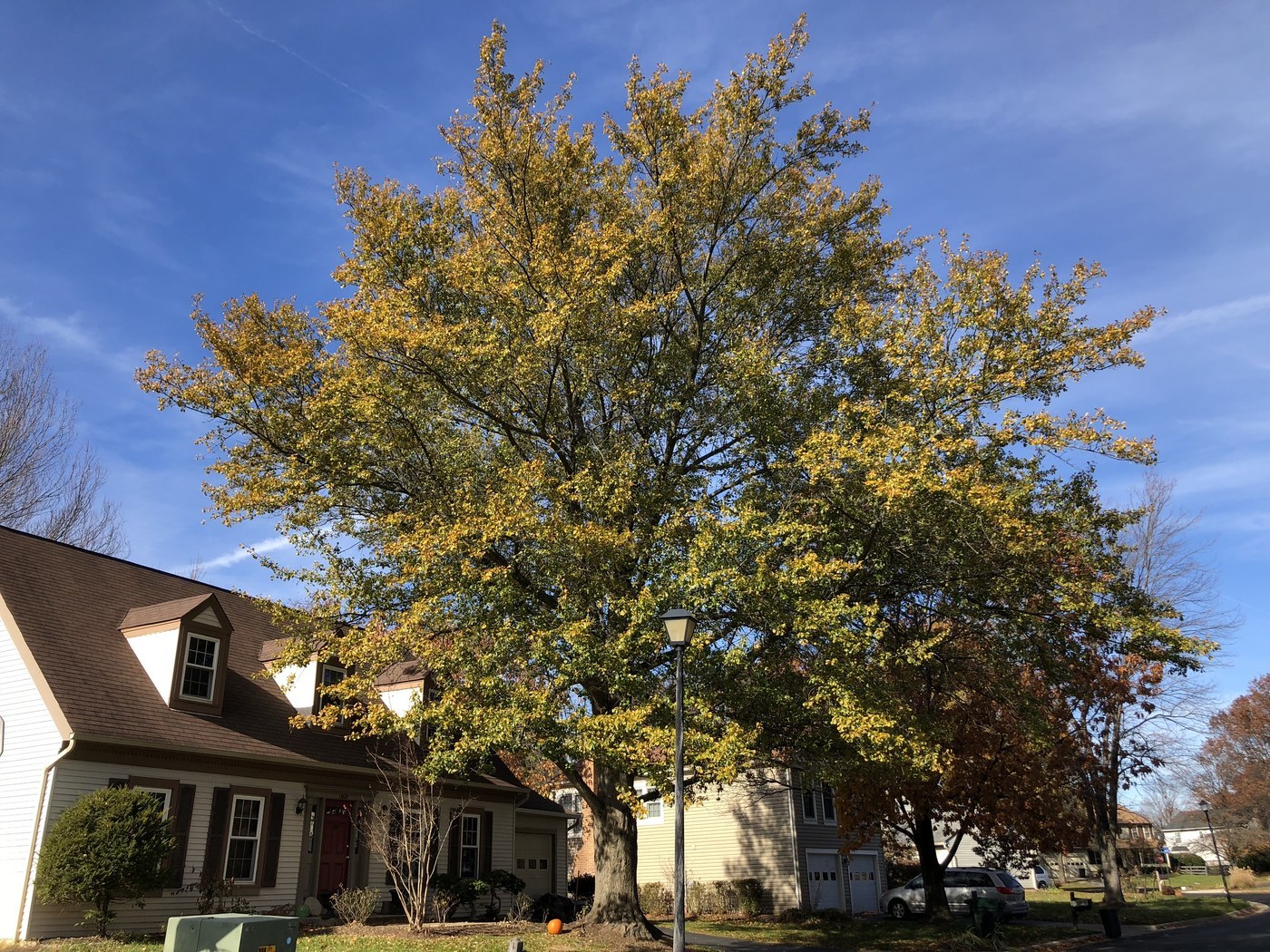
- Leaves oval, 3-4 in, doubly serrated, with a pointed tip, turning clear yellow in fall
- Fruit upright cone-like catkins releasing tiny winged seeds
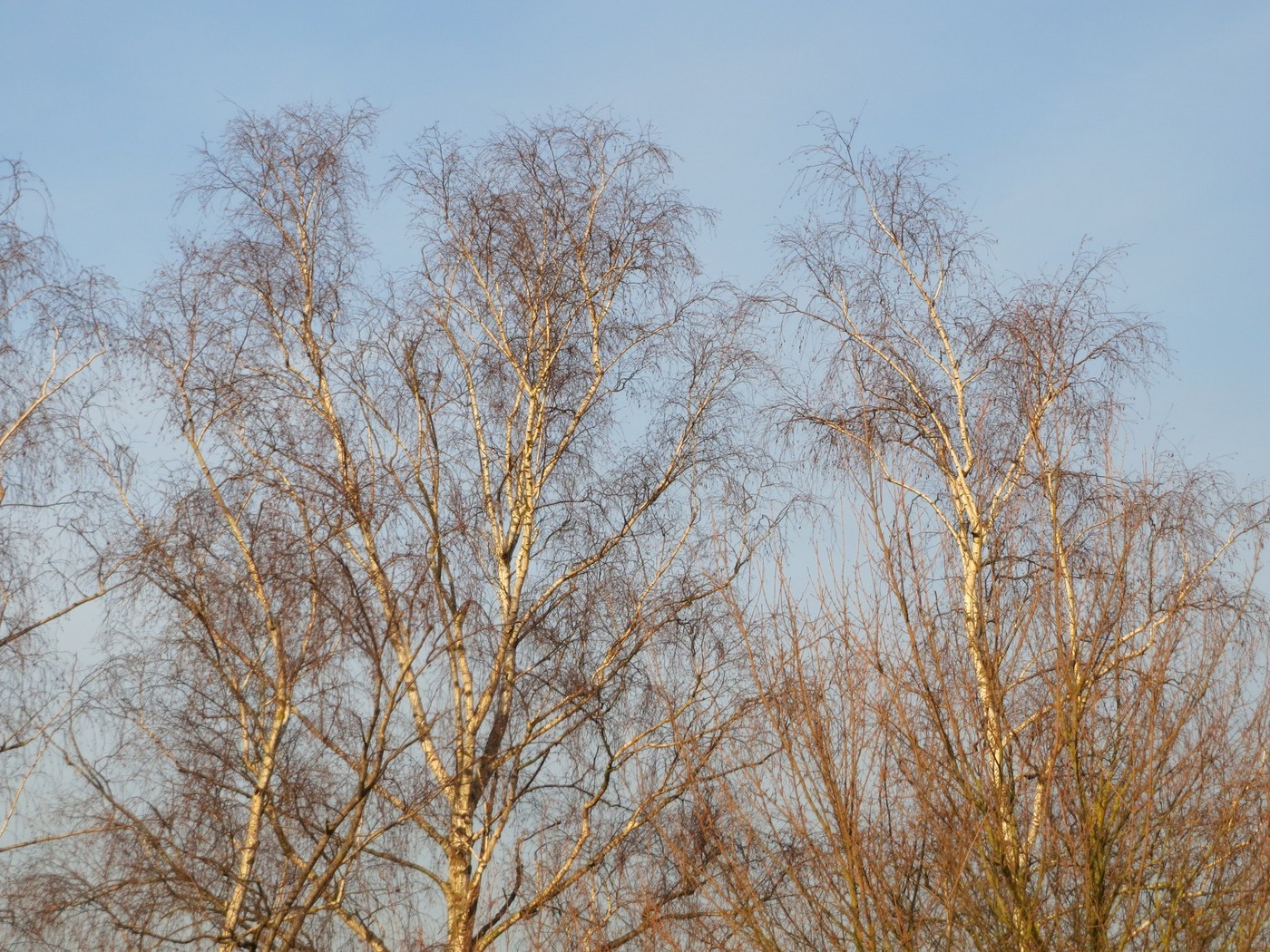
- Form rounded crown, 60-80 ft tall, often with roots straddling old logs and rocks where it germinated
Care & growing
Needs cool, moist conditions to thrive.
- Light: Full sun to partial shade; more shade-tolerant when young
- Water: Requires consistently moist soil; intolerant of drought and heat
- Soil: Prefers cool, rich, moist, well-drained acidic loam
- Temperature: Hardy in USDA zones 3-7; struggles in hot climates
- Feeding: Generally unnecessary in good woodland soil
- Propagation: From seed sown on moist mineral soil or rotting wood; benefits from cold stratification
Habitat & origin
Native to northeastern North America, from Newfoundland and the Great Lakes south through the Appalachians to Georgia at higher elevations. It is a key component of northern hardwood forests alongside sugar maple and beech.
It grows in cool, moist woods, ravines, and swamp edges, often germinating on decaying logs, stumps, and mossy boulders.
Frequently asked questions
Why do its twigs smell like wintergreen?
The bark and twigs contain oil of wintergreen (methyl salicylate), released when scratched — a reliable identification test.
How is it different from paper birch?
Paper birch has bright white peeling bark; yellow birch has lustrous bronze-gold bark and aromatic wintergreen twigs.
Can I grow it in a warm climate?
Not easily — it needs cool, moist conditions and tends to decline in hot summers.
Is it good for wildlife?
Yes, its seeds, buds, and twigs feed birds, deer, moose, and small mammals throughout the year.
Yellow Birch guides
In-depth guides for identifying, growing, and caring for Yellow Birch.
How to Care for Yellow Birch
Yellow Birch (Betula alleghaniensis) is a stately, long-lived birch with lustrous bronze-gold curling bark that thrives in cool, moist soil.
Yellow Birch Identification Guide
Identify yellow birch by its shiny yellowish-bronze peeling bark, wintergreen-scented twigs, and doubly toothed leaves. Covers bark, twigs, leaves, catkins, look-alikes, and habitat.