
How to Care for Yellow Trumpet Tree
The yellow trumpet tree bursts into golden bloom in spring and is an easy, drought-tolerant ornamental for warm, sunny climates.
Read the full Yellow Trumpet Tree encyclopedia entry →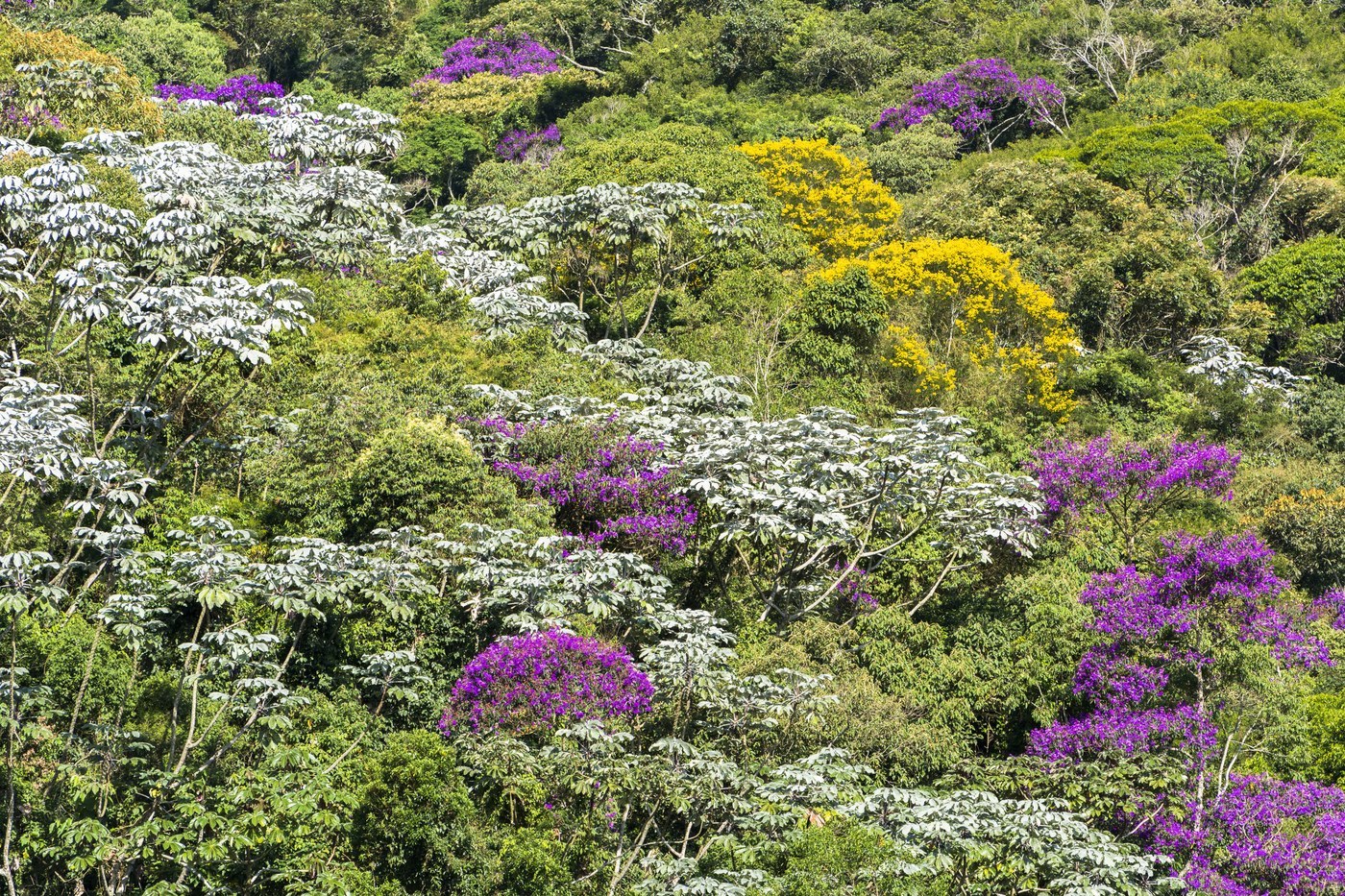
The yellow trumpet tree (Handroanthus chrysotrichus), often called golden trumpet tree or golden tabebuia, is a small-to-medium flowering tree celebrated for its spectacular spring display of large golden-yellow trumpet blooms that cover the branches, frequently before the leaves emerge. It is an easy, drought-tolerant ornamental for frost-free and mild climates.
Light
Plant in full sun for the most abundant flowering and a strong, well-shaped canopy. At least 6 hours of direct sun daily is ideal; in too much shade the tree grows sparsely and blooms poorly. Choose an open site with room for the mature spread.
Water
Water regularly and deeply while young to establish a strong root system. Once mature, the tree is notably drought-tolerant and needs only moderate, occasional watering, especially during prolonged dry spells. It prefers well-drained conditions and dislikes constantly soggy soil.
Soil & Potting
The yellow trumpet tree adapts to a range of soils but performs best in fertile, well-drained ground. Sharp drainage is important; avoid heavy, waterlogged sites. It tolerates sandy and loamy soils and a range of pH. Young specimens can be grown in large containers before planting out.
Humidity & Temperature
This is a warm-climate tree suited to tropical and subtropical zones, roughly USDA zones 9b to 11. It thrives in heat and tolerates humidity well. It is frost-sensitive, so protect young trees from cold and grow it only where hard freezes are rare, or keep it container-grown and shelter it in winter.
Feeding
Feed young trees in spring with a balanced or bloom-oriented fertilizer to support growth and flowering. Established trees need little supplemental feeding; a light annual application of a phosphorus-containing fertilizer before the flowering season can enhance the golden display. Avoid excess nitrogen, which favors leaves over flowers.
Propagation
Propagate from seed, which germinates readily when fresh and sown in warm, well-drained mix, or from semi-hardwood cuttings taken in the growing season. Seed-grown trees are easy to raise but may take several years to reach flowering size.
Repotting / Pruning
Repot container specimens into larger pots as they grow until ready for the ground. Prune after the main flowering flush to shape the canopy, remove crossing or damaged branches, and maintain a strong structure. Light formative pruning of young trees helps develop a well-balanced framework; avoid heavy pruning during the bloom-setting period.
Common Problems & Pests
The yellow trumpet tree is generally hardy and trouble-free. Occasional pests include scale, aphids, and caterpillars, usually managed with targeted treatment. Root rot can occur in poorly drained or overwatered soil, so ensure good drainage. Frost damage is the main concern in marginal climates, appearing as blackened shoots after cold snaps.
Seasonal Care Tips
Expect the main show of golden trumpet flowers in late winter to spring, often on bare branches. Water and feed lightly ahead of the season to support blooming. Prune and shape after flowering finishes. In marginal-climate winters, protect young or container-grown trees from frost, and reduce watering during the cooler, dormant period.
Frequently asked questions
When does the yellow trumpet tree bloom?
It produces its signature mass of golden-yellow trumpet flowers mainly in late winter to spring, often bursting into bloom on bare or nearly bare branches before the new leaves fully emerge.
How cold-hardy is the yellow trumpet tree?
It is a warm-climate tree suited to roughly USDA zones 9b to 11 and is frost-sensitive. Grow it where hard freezes are rare, or keep young trees in containers so they can be sheltered during cold weather.
Does the yellow trumpet tree need a lot of water?
Water young trees regularly and deeply to establish them. Once mature, the tree is quite drought-tolerant and needs only moderate, occasional watering, preferring well-drained soil over constantly wet conditions.
Why isn't my yellow trumpet tree flowering?
Sparse blooming usually stems from too little sun, excess nitrogen fertilizer driving leafy growth, or a young tree not yet mature. Give it full sun, use a phosphorus-oriented feed before the season, and allow seedlings time to reach flowering age.