
How to Care for Yellow Woodsorrel
Grow Yellow Woodsorrel (Oxalis stricta), an easy, cheerful clover-leaved plant with bright yellow flowers that tolerates sun, shade, and dry spells.
Read the full Yellow Woodsorrel encyclopedia entry →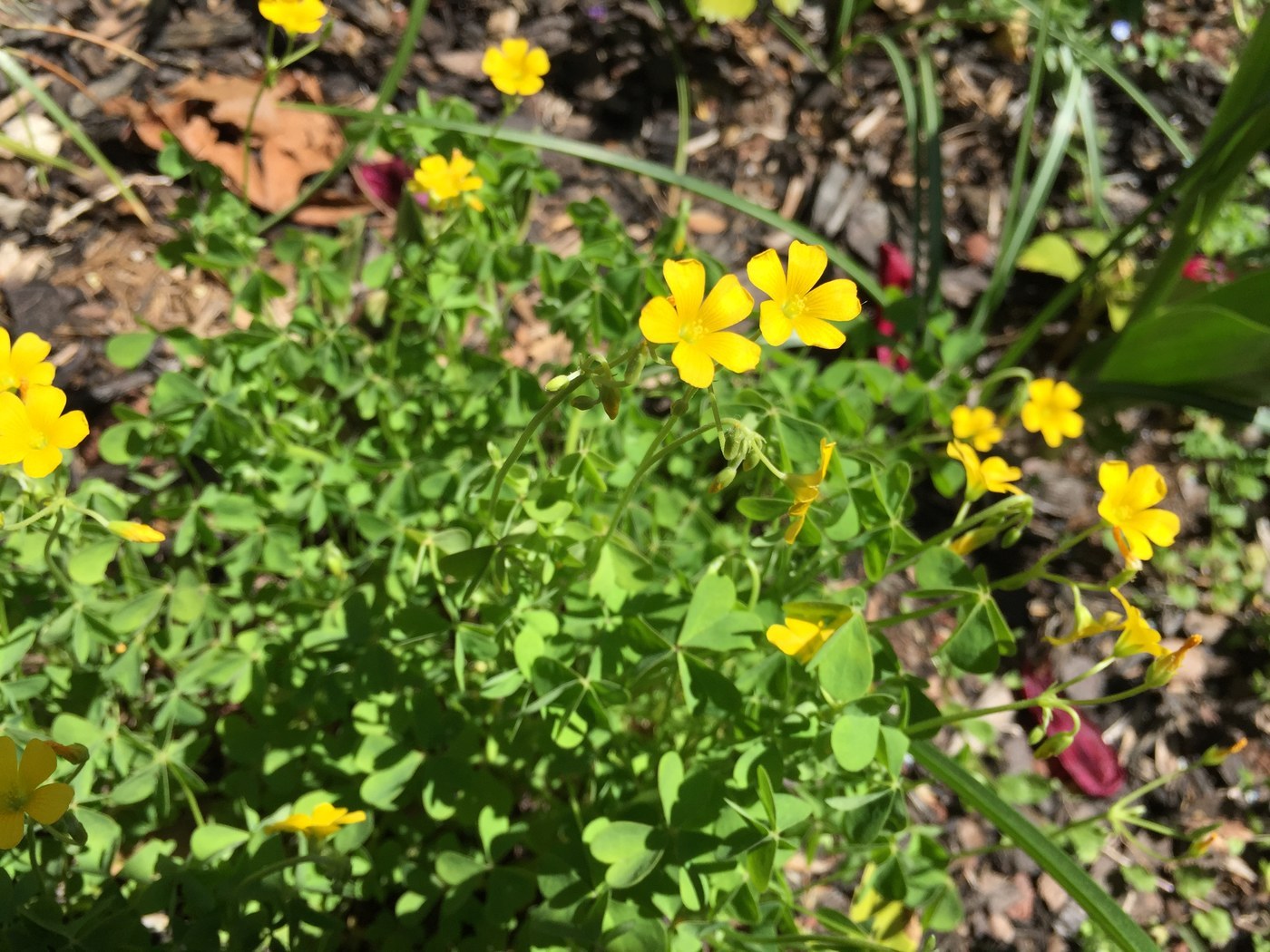
Yellow Woodsorrel (Oxalis stricta) is a low, clover-leaved plant with delicate heart-shaped leaflets that fold at night and small, bright yellow five-petaled flowers. It is exceptionally undemanding and adapts to a wide range of light and soil.
Light
Yellow Woodsorrel grows happily in anything from full sun to part shade. Fuller sun encourages compact growth and abundant flowering, while shadier positions produce lusher, softer foliage. Its adaptability makes it easy to place almost anywhere in the garden.
Water
Average moisture suits it best, but it is notably resilient and tolerates dry spells once established. Water occasionally during extended drought to keep foliage fresh, but avoid constant sogginess. In containers, let the top of the soil dry slightly between waterings.
Soil & Potting
This plant is unfussy about soil and thrives in ordinary, moderately fertile, well-drained garden mixes. It will colonize poor, disturbed, or gravelly ground readily. For pots, a standard all-purpose potting mix with a little added grit for drainage works perfectly well.
Humidity & Temperature
Yellow Woodsorrel is comfortable across a wide range of temperatures and ordinary outdoor humidity. It grows actively in warm weather and may die back in hard frost, often returning from seed or persistent roots. It needs no special humidity and tolerates both cool and hot conditions.
Feeding
Very little feeding is required. In lean soils, a light dose of balanced fertilizer in spring boosts foliage and flowering, but overfeeding simply produces floppy, oversized growth. In average garden soil it generally needs nothing at all.
Propagation
It propagates very easily from seed, which it self-sows freely, and its ripe seed capsules famously eject seeds when touched. It also spreads by creeping stems and roots, so division of established clumps is straightforward. Be aware that its enthusiasm for self-seeding means it can spread widely if unchecked.
Repotting / Pruning
Repot container plants in spring when they outgrow their space, or simply divide and replant. Pruning is minimal: shear back leggy or tired growth to refresh the plant, and remove spent flower stems if you want to limit self-seeding. It rebounds quickly after being cut back.
Common Problems & Pests
Yellow Woodsorrel is largely trouble-free. Aphids or spider mites may occasionally appear on stressed plants, and rust or powdery mildew can show up in crowded, humid conditions. Its main drawback is its vigor: it self-seeds and creeps enthusiastically, so many gardeners must actively contain it. Improve airflow and avoid overhead watering to limit foliar disease.
Seasonal Care Tips
In spring, thin or transplant seedlings and tidy overwintered clumps. Through summer it needs little beyond occasional water in drought. Deadhead before capsules ripen if you want to control spread. In cold regions it may die back in winter and return on its own the following season.
Frequently asked questions
Is Yellow Woodsorrel easy to grow?
Very. It tolerates a wide range of light and soil, handles dry spells, self-sows freely, and needs almost no special care.
Does Yellow Woodsorrel spread aggressively?
It can. It self-seeds through explosive seed capsules and creeps by roots and stems, so deadhead and contain it if you want to limit its spread.
Why do the leaves fold up?
The clover-like leaflets naturally fold down at night and can close in intense heat or low light. This is normal movement and reopens under favorable conditions.
How much water does it need?
Average moisture is ideal, but it tolerates dry spells well once established. Water during prolonged drought and avoid constant sogginess.