
How to Care for Yucca Palm
Growing guide for Yucca Palm (Yucca elephantipes), an easy, architectural indoor shrub with sword-like leaves and a thick trunk.
Read the full Yucca Palm encyclopedia entry →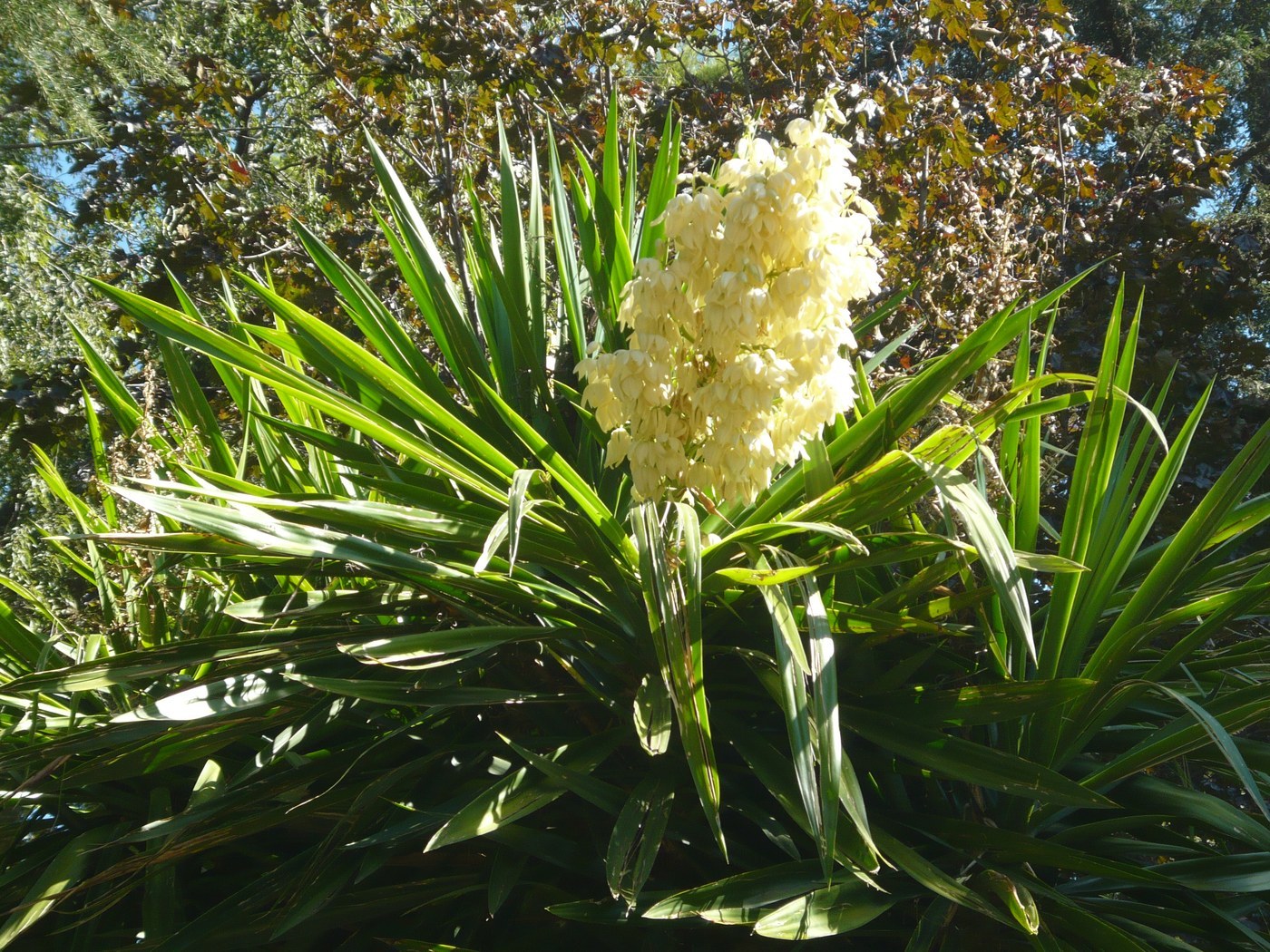
Yucca Palm (Yucca elephantipes), also known as the spineless or stick yucca, is a bold, architectural plant with rosettes of sword-shaped green leaves atop a thick, woody trunk. Tough, drought-tolerant, and forgiving of neglect, it is one of the easiest large houseplants to grow and equally at home outdoors in warm climates.
Light
Yucca Palm loves light and thrives in bright conditions ranging from direct sun to bright indirect light. Place it near a sunny window, ideally south or west facing indoors, where it can soak up several hours of direct light. It tolerates lower light for a while but grows slowly, becomes leggy, and produces weaker foliage. Acclimate it gradually if moving it into strong direct sun to avoid leaf scorch.
Water
Water sparingly. This is a drought-adapted plant that stores water in its thick trunk and dislikes staying wet. Let the soil dry out deeply, at least the top half of the pot, before watering again, then water thoroughly and let it drain completely. Overwatering is by far the most common cause of failure, leading to trunk and root rot. In winter, water very infrequently as growth stalls.
Soil & Potting
Use a gritty, fast-draining mix such as a cactus and succulent blend, or standard potting soil amended generously with sand, perlite, or grit. Excellent drainage is essential. Always plant in a container with drainage holes, and a slightly heavy pot helps counterbalance the top-heavy growth. The mix should shed excess water quickly and never stay soggy around the trunk base.
Humidity & Temperature
Yucca Palm is unbothered by dry indoor air and needs no added humidity. It prefers warm, average room temperatures, roughly 18 to 27 degrees Celsius during growth, and tolerates hot conditions well. It can handle cooler temperatures down to around 7 to 10 degrees Celsius in winter rest but should be protected from hard frost. Keep it away from cold drafts and freezing windows.
Feeding
Feed lightly during spring and summer, roughly once a month, with a diluted balanced liquid fertilizer or a cactus feed. Yucca is a slow, undemanding grower and needs little fertilizer; overfeeding causes weak, floppy growth. Do not feed in autumn and winter when the plant is resting. A modest feeding routine keeps foliage healthy without pushing excessive, spindly growth.
Propagation
Yucca Palm propagates easily from stem sections or offsets. When a plant is cut back, the removed trunk sections can be rooted; let the cut ends callus for a day or two, then plant in dry, gritty mix and water sparingly until roots form. Offsets (pups) that appear at the base can be separated with some roots and potted individually. Cane cuttings are a common commercial propagation method and root readily in warm conditions.
Repotting / Pruning
Repot every two to three years or when roots fill the pot, moving to a slightly larger, sturdy container in spring. Yucca tolerates being somewhat pot-bound. To control height or a top-heavy plant, you can cut the trunk at the desired height; the plant usually resprouts new rosettes below the cut, and the removed top can be rooted. Remove old, browned lower leaves by pulling or cutting them cleanly to keep the trunk tidy.
Common Problems & Pests
The leading problem is overwatering, which causes soft, brown, mushy trunk or root rot; keep the plant dry and well-drained to prevent it. Brown leaf tips can result from very dry air combined with inconsistent watering or fluoride in tap water. Watch for scale, mealybugs, and spider mites, especially indoors; wipe leaves and treat with insecticidal soap as needed. Yellowing lower leaves are often normal aging.
Seasonal Care Tips
In spring and summer, give it maximum light, resume light feeding, and water thoroughly but only once the soil has dried deeply. In autumn, reduce watering and stop feeding as growth slows. In winter, keep the plant cool to average, in bright light, and water only occasionally to prevent the trunk from rotting during its rest period. Wipe dust from the leaves periodically year-round.
Frequently asked questions
Why is my Yucca Palm's trunk going soft and brown?
This is trunk rot from overwatering, the most common yucca problem. Let the soil dry deeply between waterings, ensure fast-draining soil and a pot with drainage, and water much less in winter.
How much light does a Yucca Palm need?
As much as possible. It thrives in bright indirect to direct light near a sunny window. In low light it grows leggy and slow, so give it the brightest spot you have.
How do I make a tall, top-heavy Yucca shorter?
Cut the trunk at the height you want in spring. The plant usually resprouts new leaf rosettes below the cut, and the removed top section can be callused and rooted as a new plant.
How often should I water a Yucca Palm?
Sparingly. Let at least the top half of the soil dry out, then water thoroughly and drain fully. In winter water only occasionally, as overwatering quickly causes rot.