
How to Care for Zucchini
Grow productive zucchini plants with this care guide on sun, deep watering, feeding, pollination and pest control.
Read the full Zucchini encyclopedia entry →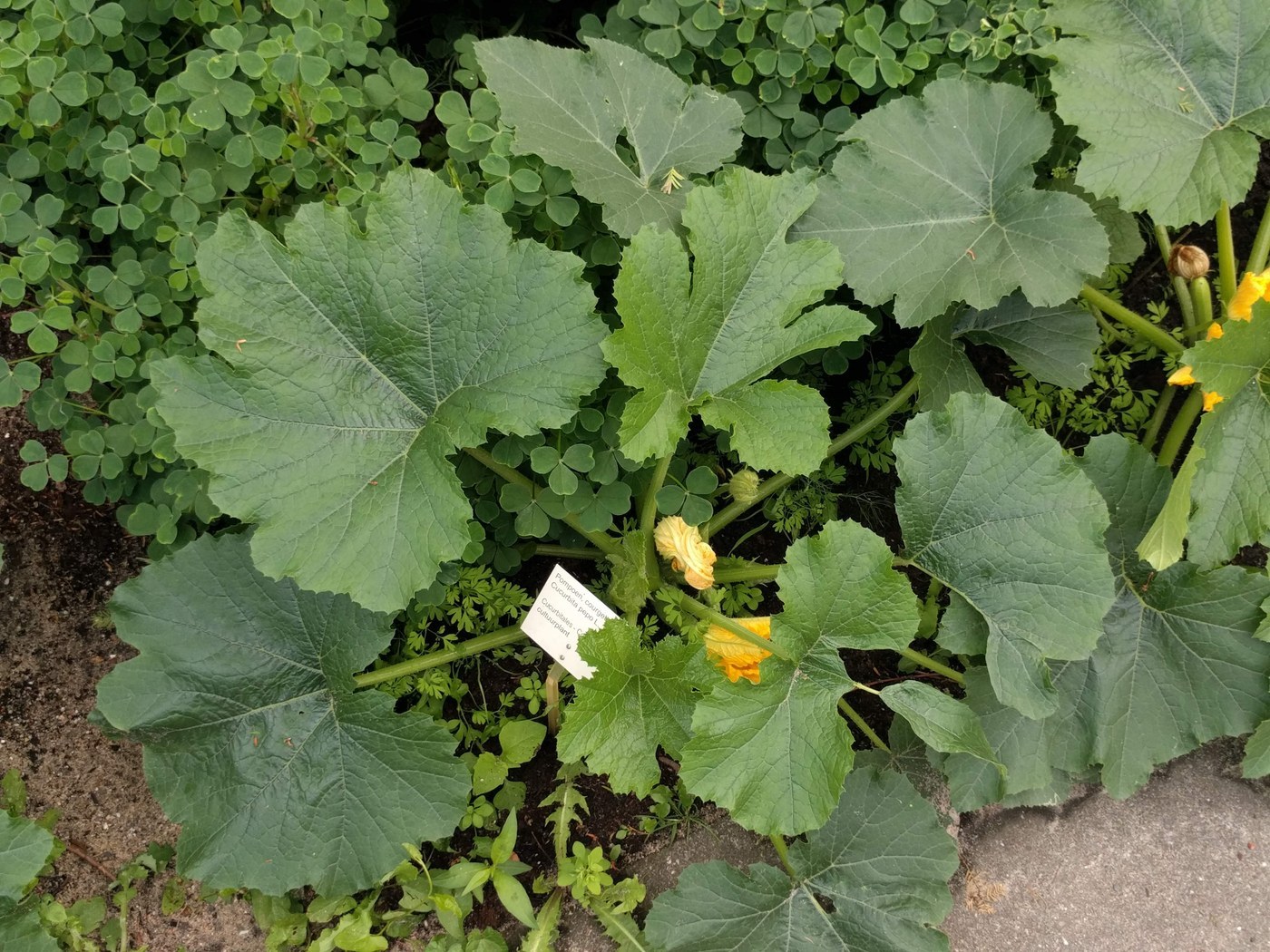
Zucchini (Cucurbita pepo) is a fast-growing, bushy summer squash that is easy and productive in a sunny garden. Given warmth, sun, and steady moisture, a single healthy plant grows quickly and vigorously through the season.
Light
Zucchini needs full sun, at least six to eight hours daily. Ample sunlight fuels its large leaves and rapid growth. In shade the plants grow weak and thin and are far more prone to mildew and poor development.
Water
Water deeply and regularly, providing consistent moisture at the roots. Zucchini has big leaves that lose a lot of water, so aim for deep soakings rather than light sprinkles, keeping the soil evenly moist. Water at the base and avoid wetting the foliage, which encourages fungal disease. Mulch to conserve moisture and steady soil temperature.
Soil & Potting
Plant in rich, fertile, well-drained soil high in organic matter, with a near-neutral pH. Work in plenty of compost before planting. Zucchini is a heavy feeder with a large root system; if grown in containers, choose a very large pot with excellent drainage and quality potting mix.
Humidity & Temperature
This is a warm-season plant that loves heat and is killed by frost. Do not plant until soil has warmed and all frost danger has passed. It grows best in warm summer temperatures. High humidity with poor air flow encourages powdery mildew, so give plants room to breathe.
Feeding
Zucchini is a hungry plant. Enrich the soil with compost at planting and feed every few weeks during the growing season with a balanced fertilizer. Once flowering and fruiting begin, a feed higher in phosphorus and potassium supports production. Avoid excessive nitrogen, which produces lush leaves but fewer flowers.
Propagation
Grow zucchini from seed. Sow directly into warm soil after frost, or start indoors a few weeks earlier in pots and transplant carefully, since squash dislike root disturbance. Plant on small mounds to improve drainage and warmth, and thin to the strongest seedlings.
Repotting / Pruning
Zucchini is typically grown as a single-season plant and not repotted. You can remove older, lower leaves to improve air circulation and light penetration, which helps reduce mildew. Removing some large leaves also makes it easier to spot developing fruit. Provide space between plants for their sprawling habit.
Common Problems & Pests
Powdery mildew, showing white powder on the leaves, is very common late in summer; improve air flow, water at the base, and remove affected leaves. Squash bugs, squash vine borers, aphids, and cucumber beetles are frequent pests to monitor and manage promptly. Poor fruit set is often a pollination issue, since the plant produces separate male and female flowers that rely on insects; hand-pollinating with a small brush can help. Blossom end rot points to inconsistent watering.
Seasonal Care Tips
Start or sow in late spring once soil is warm. Through summer, water deeply, feed regularly, watch for mildew and pests, and support pollination if fruit set is poor. As the season progresses, keep the plant tidy and airy. The plant declines with the first frost in cold climates, ending its single-season cycle.
Frequently asked questions
Why does my zucchini have flowers but no fruit?
Zucchini makes separate male and female flowers and relies on insects for pollination. Early on, plants often produce only male flowers. Poor pollination or few pollinators can prevent fruit; hand-pollinating with a small brush usually helps.
How do I stop powdery mildew on zucchini?
Give plants full sun and good spacing for air flow, water at the base rather than overhead, and remove badly affected leaves. Mildew is most common in humid, crowded conditions late in the season.
How often should I water zucchini?
Water deeply and consistently, keeping the soil evenly moist. In hot weather this may mean several deep soakings a week. Avoid shallow sprinkling and wetting the leaves, which invites disease.
Can I grow zucchini in a container?
Yes, if you use a very large pot with excellent drainage and rich potting mix. Container plants dry out and use up nutrients faster, so water and feed them more frequently.