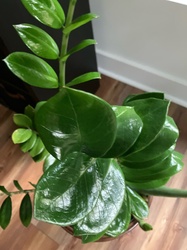
How to Care for ZZ Plant
The ZZ plant (Zamioculcas zamiifolia) is a nearly indestructible houseplant that thrives on low light and infrequent watering.
Read the full ZZ Plant encyclopedia entry →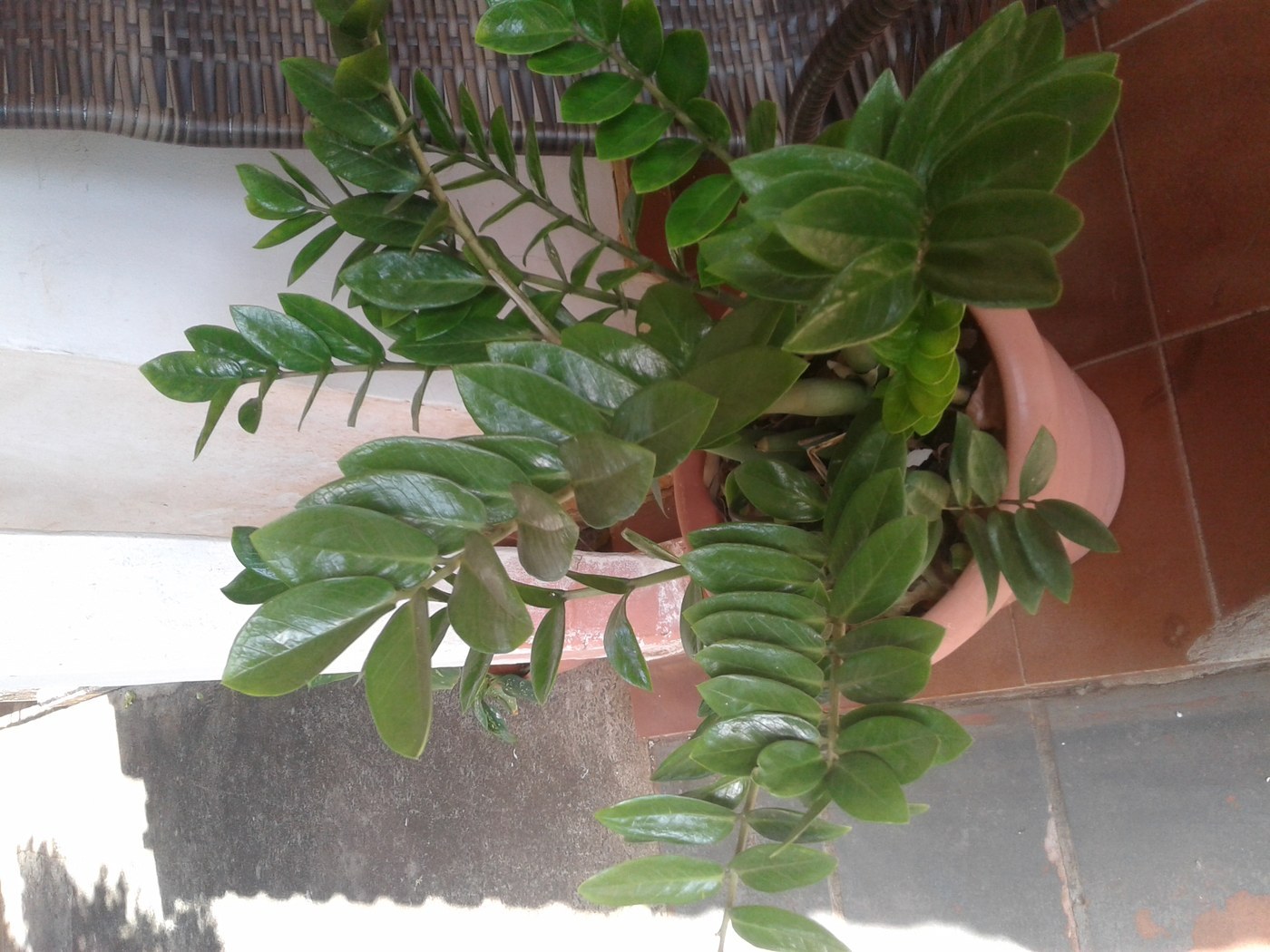
The ZZ plant (Zamioculcas zamiifolia) is a glossy, upright foliage plant prized for being one of the toughest houseplants around. Its thick rhizomes store water, letting it shrug off neglect, low light, and long gaps between waterings.
Light
ZZ plants tolerate a remarkable range, from low light to bright indirect light. They grow fastest and fullest in bright, indirect light near an east or north window. Avoid harsh direct sun, which can scorch the waxy leaflets. In very dim corners growth slows and stems stretch, but the plant survives.
Water
Water sparingly and let the soil dry out almost completely between waterings. The underground rhizomes hold moisture, so this plant is far more likely to suffer from overwatering than from drought. When you do water, soak thoroughly and drain fully. In low light or winter, water may be needed only every 2 to 4 weeks.
Soil & Potting
Use a well-draining, airy potting mix; a standard mix cut with perlite, bark, or pumice works well. Excellent drainage is essential to prevent rhizome rot. Always choose a pot with drainage holes. The plant tolerates being somewhat root-bound.
Humidity & Temperature
Average household conditions suit ZZ plants perfectly. They prefer temperatures between 65 and 80 F and dislike cold below 45 F. Normal indoor humidity is fine; no misting or humidifier is needed. Keep them away from cold drafts and heating vents.
Feeding
ZZ plants are light feeders. Apply a balanced, diluted houseplant fertilizer once every 1 to 2 months during spring and summer only. Skip feeding in fall and winter. Over-fertilizing can cause leaf-tip burn, so err on the weak side.
Propagation
Propagate by division of the rhizomes when repotting, or by leaf cuttings. Leaf propagation is slow: press the base of a healthy leaflet into moist soil and wait, as it can take several months for a new rhizome to form. Division is faster and gives instant full plants.
Repotting / Pruning
Repot every 2 to 3 years, or when thick rhizomes begin to crowd or crack the pot. Move up one pot size in spring. Pruning is minimal: trim off any yellow or damaged stems at the base to keep the plant looking sharp. Wipe the glossy leaves occasionally to remove dust.
Common Problems & Pests
Yellowing leaves and mushy stems almost always signal overwatering and rhizome rot, so cut back on water. Wrinkled stems or leaf drop indicate underwatering. ZZ plants are largely pest-resistant, but watch for occasional aphids, mealybugs, or scale; wipe them off or treat with insecticidal soap.
Seasonal Care Tips
Growth is active in spring and summer, when you can water a bit more often and feed lightly. In fall and winter growth stalls, so cut watering way back and stop feeding. Because the ZZ tolerates low light, it is a good candidate for interior rooms during the darker months.
Frequently asked questions
How often should I water a ZZ plant?
Only when the soil has dried out almost completely, often every 2 to 4 weeks. Its water-storing rhizomes mean overwatering is the main danger, so when in doubt, wait.
Can a ZZ plant really survive in low light?
Yes, it is one of the best low-light houseplants. It grows slowly in dim corners but stays healthy. For faster, fuller growth give it bright indirect light.
Why are my ZZ plant's leaves turning yellow?
Yellowing leaves usually mean overwatering. Let the soil dry fully, check that the pot drains freely, and reduce your watering frequency.
Why are the stems on my ZZ plant wrinkled or drooping?
That is a sign of underwatering or the plant being too root-bound and depleted. Give it a thorough soak, and if it is severely pot-bound, repot into fresh mix.
ZZ Plant identified by the community
Recent ZZ Plant specimens identified with Plant Identifier.