
How to Care for ZZ Raven
Grow the dramatic black-leaved ZZ Raven with low-fuss watering, low-to-bright indirect light, and rhizome-storing resilience.
Read the full ZZ Raven encyclopedia entry →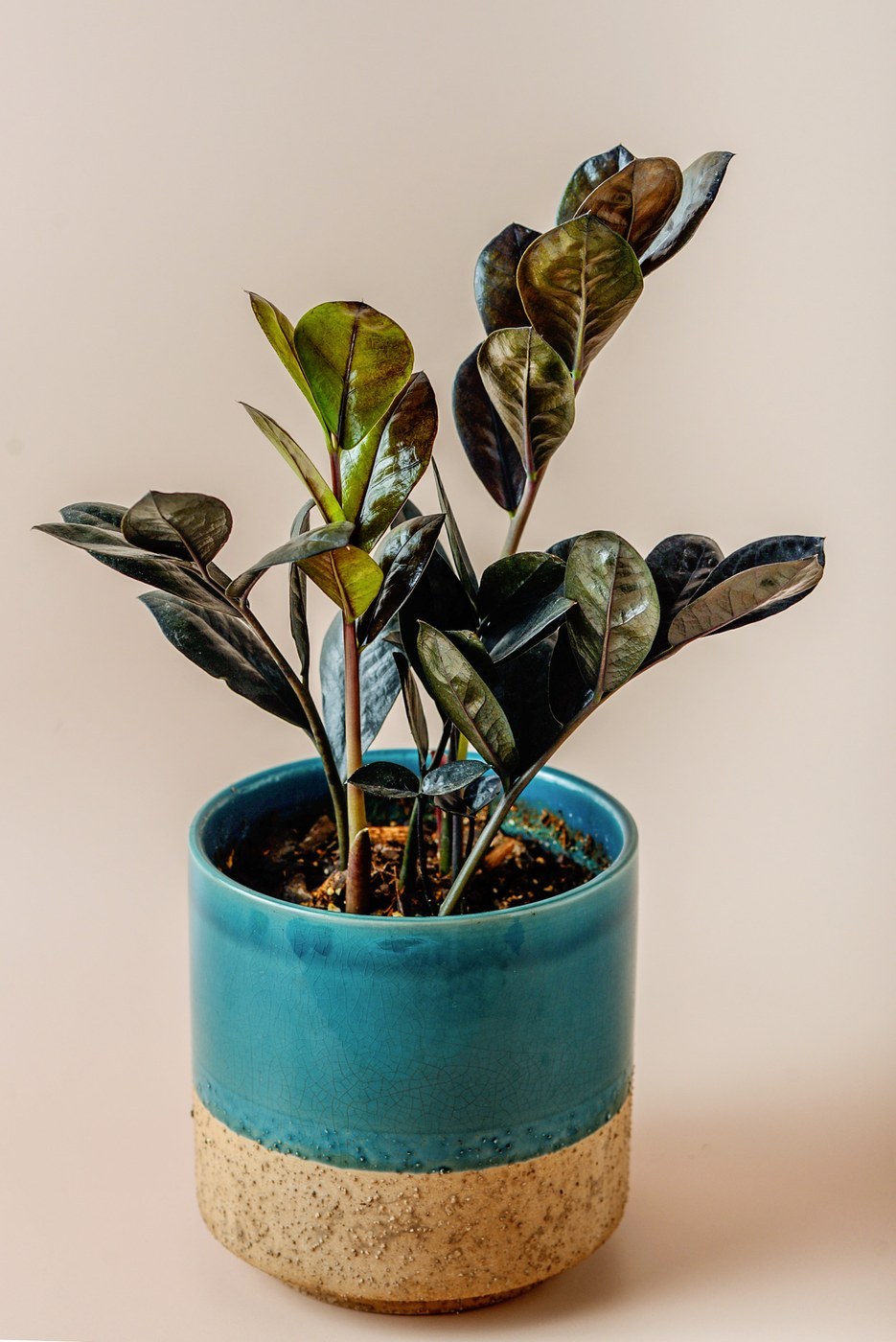
ZZ Raven (Zamioculcas zamiifolia 'Raven') is a striking cultivar whose new growth emerges bright lime-green before maturing to a deep, glossy near-black. It is one of the most forgiving houseplants available, storing water and energy in thick underground rhizomes that let it shrug off neglect.
Light
ZZ Raven tolerates a remarkable range of light, from low-light corners to bright indirect windows. The darkest, most saturated black foliage develops in bright, filtered light, while very low light slows growth and can make stems stretch and lean. Avoid harsh direct midday sun through glass, which can scorch and fade the leaves. An east-facing window or a few feet back from a brighter exposure is ideal.
Water
Water only when the soil has dried out almost completely, matching this plant's drought-adapted nature. The fat rhizomes hold moisture, so overwatering is by far the most common mistake. In the growing season a thorough soak every 2-3 weeks is usually plenty; in winter, stretch intervals to monthly or longer. Always empty the saucer so roots never sit in standing water, and when in doubt, wait.
Soil & Potting
Use a fast-draining mix, such as a standard houseplant potting soil cut with perlite, pumice, or coarse sand to improve aeration. A cactus or succulent blend also works well. Choose a pot with a drainage hole; terracotta is helpful for wicking away excess moisture. The rhizomes prefer to be somewhat snug, so avoid oversized containers that hold too much wet soil.
Humidity & Temperature
Average household humidity is fine; ZZ Raven has no special moisture demands. It prefers temperatures between roughly 18-27 C (65-80 F) and dislikes cold drafts or exposure below about 10 C (50 F). Keep it away from cold windowpanes in winter and from blasting heating or air-conditioning vents.
Feeding
Feed lightly. A balanced, diluted liquid fertilizer once a month during spring and summer is ample. This slow, efficient grower needs little supplemental nutrition, and over-fertilizing can cause salt buildup and leaf-tip browning. Do not feed in fall and winter when growth naturally pauses.
Propagation
ZZ Raven propagates from division or leaf cuttings, though it is slow. The easiest method is dividing the rhizome clump when repotting, ensuring each section has roots and at least one stem. Individual leaflets can also be laid or partly buried in moist, well-draining medium, where they eventually form tiny rhizomes over several months. Patience is essential, as new growth can take a long time to appear.
Repotting / Pruning
Repot every 2-3 years, or when rhizomes visibly crowd the pot or deform it. Move up just one pot size. Pruning is rarely needed beyond removing the occasional yellowed or damaged stem at the base with clean shears. You can also trim leggy stems to encourage a fuller shape.
Common Problems & Pests
Yellowing stems and soft, mushy bases almost always signal overwatering and rhizome rot; let the soil dry fully and reduce frequency. Wrinkled stems or curling leaflets indicate thirst. Reverting to greener rather than black foliage usually means insufficient light. Pests are uncommon but watch for occasional aphids or fungus gnats, the latter a sign the soil is staying too wet.
Seasonal Care Tips
Spring and summer bring the main flush of growth, so this is when to water a bit more often, feed monthly, and repot if needed. In fall and winter, cut back sharply on water and stop feeding as the plant rests. Enjoy the contrast of new lime-green shoots against the mature black foliage during active growth.
Frequently asked questions
Why is my ZZ Raven's new growth green instead of black?
This is completely normal. New leaves emerge bright lime-green and darken to near-black as they mature. Brighter indirect light helps them deepen to the richest black color.
How often should I water a ZZ Raven?
Only when the soil has dried out almost completely, typically every 2-3 weeks in summer and monthly or less in winter. It stores water in its rhizomes, so err on the side of underwatering.
Why are the stems turning yellow and soft?
This is the classic sign of overwatering and rhizome rot. Let the soil dry out fully, reduce watering frequency, and make sure the pot drains freely.
Does ZZ Raven grow well in low light?
Yes, it tolerates low light better than most houseplants, though growth slows and stems may stretch. For the darkest foliage and fuller form, give it bright indirect light.