
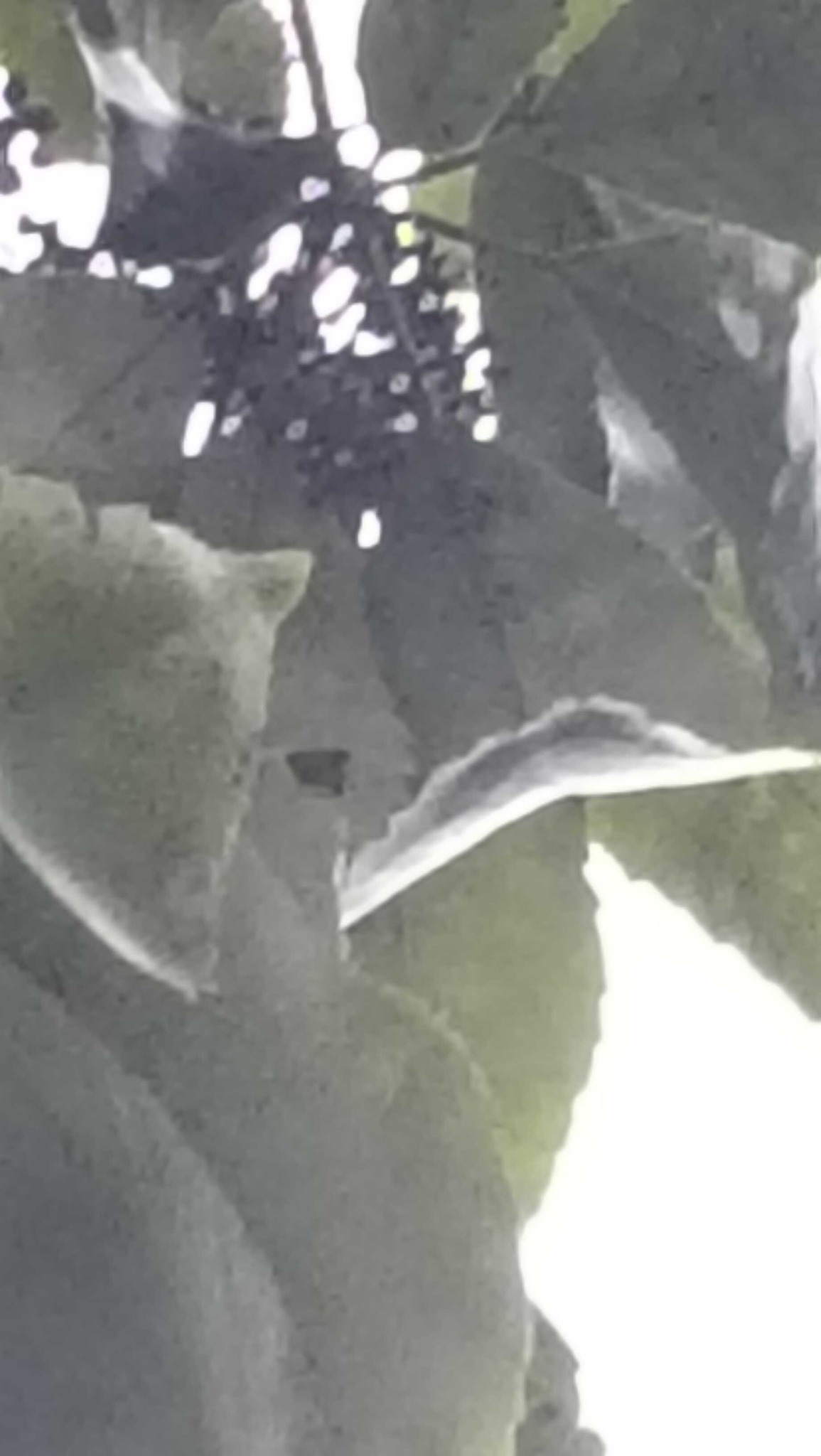
American Elderberry
Sambucus canadensis
A deciduous shrub featuring compound leaves with sharply toothed leaflets, large flat-topped clusters of small white flowers, and clusters of small dark fruit.
- Light
- Full sun to partial shade, requiring at least 6 hours of direct sunlight daily for optimal growth and flowering.
- Water
- Prefers consistently moist soil and does not tolerate drought well. Water deeply and regularly, ensuring the soil remains evenly damp.
- Growth
- A multi-stemmed deciduous shrub growing rapidly to a mature height and spread of 5 to 12 feet.
Care instructions
Grow in full sun to partial shade in consistently moist, organically rich soil. Provide regular watering during dry spells and apply a balanced fertilizer in early spring.
Growing details
Sunlight
Full sun to partial shade, requiring at least 6 hours of direct sunlight daily for optimal growth and flowering.
Watering
Prefers consistently moist soil and does not tolerate drought well. Water deeply and regularly, ensuring the soil remains evenly damp.
Soil
Thrives in loamy, well-draining soils with a neutral to slightly acidic pH range between 5.5 and 6.5.
Hardiness zone
USDA zones 3 through 9
Growth habit
A multi-stemmed deciduous shrub growing rapidly to a mature height and spread of 5 to 12 feet.
Bloom season
Blooms in early to mid-summer, producing large, flat-topped clusters of small, fragrant creamy-white flowers.
Propagation
Easily propagated through softwood cuttings taken in late spring or hardwood cuttings taken during the dormant winter season.
Common pests & issues
Susceptible to cankers, powdery mildew, leaf spots, and borers. Ensure good air circulation and prune out damaged wood to prevent disease.
Similar species
Red Elderberry (Sambucus racemosa), which can be distinguished by its red fruit clusters and earlier spring bloom time.