
American Ginseng
Panax quinquefolius
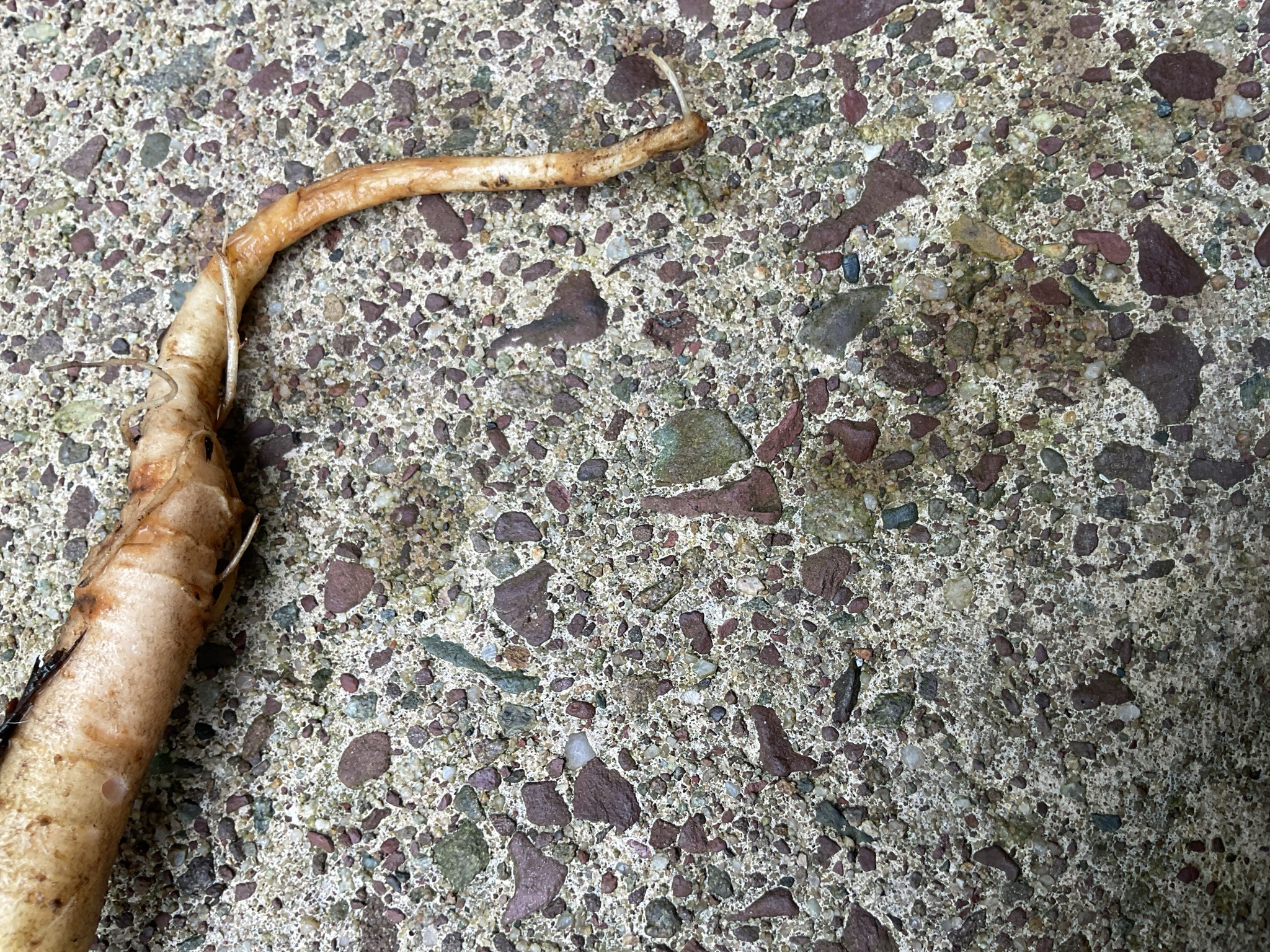
A slow-growing herbaceous perennial plant featuring a distinctive fleshy, branched taproot that often develops humanoid shapes, paired with palmately compound leaves and small greenish-white flowers followed by bright red berries.
- Light
- Full shade to deep dappled shade, requiring approximately 70% to 80% shade canopy
- Water
- Keep soil consistently moist but never waterlogged. Regular watering is necessary during dry spells to prevent root desiccation.
- Growth
- Herbaceous perennial with a slow growth rate, typically reaching a mature height of 8 to 15 inches with a single vertical stem
Care instructions
Cultivate in a shaded woodland setting mimicking natural forest floor conditions. Provide rich, organic soil with consistent moisture, excellent drainage, and complete protection from direct sunlight.
Growing details
Sunlight
Full shade to deep dappled shade, requiring approximately 70% to 80% shade canopy
Watering
Keep soil consistently moist but never waterlogged. Regular watering is necessary during dry spells to prevent root desiccation.
Soil
Rich, loose loam or humus-rich forest soil with high organic matter content and a slightly acidic to neutral pH range of 6.0 to 6.8
Hardiness zone
USDA Hardiness Zones 3 through 8
Growth habit
Herbaceous perennial with a slow growth rate, typically reaching a mature height of 8 to 15 inches with a single vertical stem
Bloom season
Late spring to early summer, featuring small, inconspicuous greenish-white umbel flowers
Propagation
Propagated primarily from stratified seeds sown in autumn, taking up to 18 to 22 months for germination due to complex seed dormancy requirements
Common pests & issues
Susceptible to fungal root rots, stem blights, and leaf spot diseases caused by excessive moisture and poor air circulation. Common garden pests include slugs and cutworms.
Similar species
Asian Ginseng (Panax ginseng) and dwarf ginseng (Panax trifolius), distinguished by leaf leaflet counts, geographic origin, and subtle floral or root morphology differences.