
Apple
Malus domestica
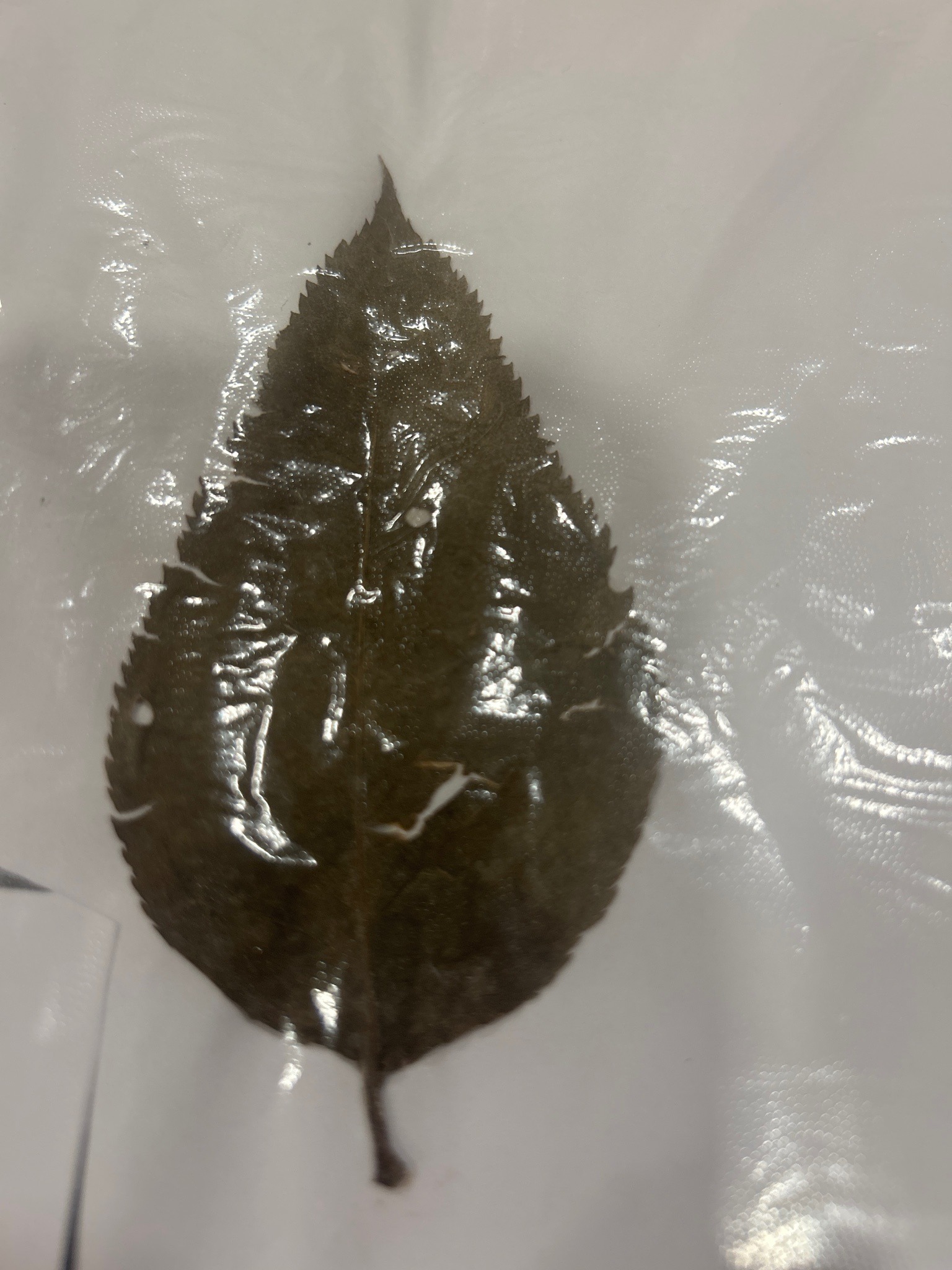
The image shows a single deciduous leaf, elliptic to ovate in shape, with a sharply serrated or finely toothed margin and a pointed apex.
- Light
- Full sun, requiring a minimum of six hours of direct sunlight daily.
- Water
- Moderate watering needs. Water deeply when the top few inches of soil feel dry, reducing frequency during dormant winter months.
- Growth
- Perennial deciduous tree with an upright, rounded canopy, reaching mature heights of 10 to 30 feet depending on the rootstock, with a moderate growth rate.
Care instructions
Provide full sun for at least six hours daily. Water regularly to maintain evenly moist soil, ensuring good drainage to prevent root saturation. Apply a balanced fertilizer in early spring.
Growing details
Sunlight
Full sun, requiring a minimum of six hours of direct sunlight daily.
Watering
Moderate watering needs. Water deeply when the top few inches of soil feel dry, reducing frequency during dormant winter months.
Soil
Prefers loamy, well-draining soil with a slightly acidic to neutral pH range of 6.0 to 7.0.
Hardiness zone
USDA Hardiness Zones 3 through 9.
Growth habit
Perennial deciduous tree with an upright, rounded canopy, reaching mature heights of 10 to 30 feet depending on the rootstock, with a moderate growth rate.
Bloom season
Spring, producing clusters of fragrant, five-petaled flowers in shades of white and pink.
Propagation
Typically propagated through grafting or budding onto specific rootstocks in late winter or early spring, though seeds can be used for breeding new varieties.
Common pests & issues
Susceptible to fungal infections such as apple scab and powdery mildew, as well as insect pests like aphids and codling moth. Preventative measures include proper pruning for air circulation and clearing fallen debris.
Similar species
Crabapple (Malus species) and pear leaves (Pyrus species). Crabapple leaves are often smaller, while pear leaves generally feature smoother, finely crenate margins rather than sharp serrations.