
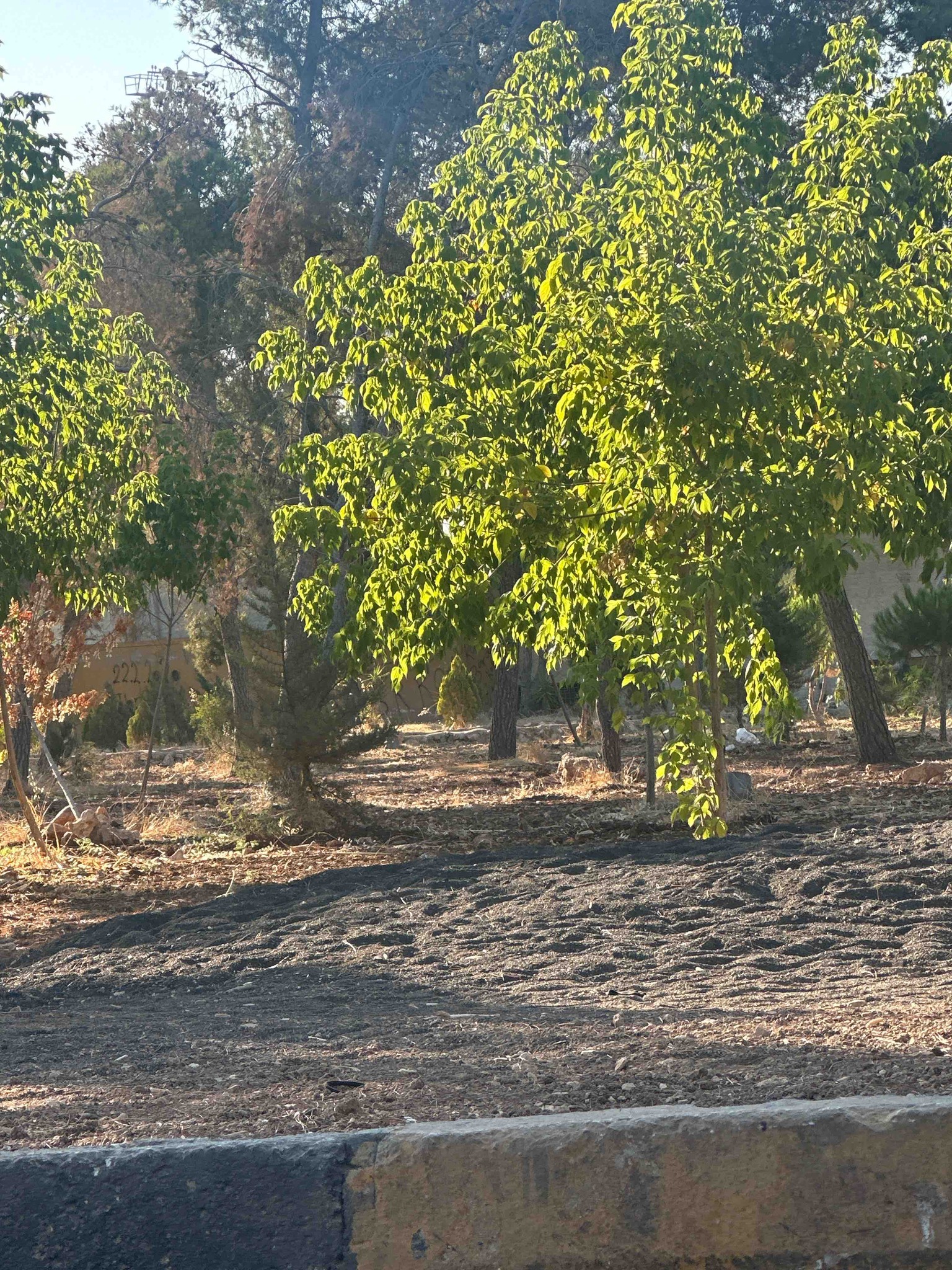
Ash tree
Fraxinus angustifolia
A medium-to-large deciduous tree with a rounded or spreading crown, featuring pinnately compound leaves composed of narrow, sharply toothed lanceolate leaflets.
- Light
- Full sun (6 or more hours of direct sunlight daily) for best growth and crown development.
- Water
- Moderate water requirements. Once established, it develops a deep root system and moderate drought resistance, though young trees need regular deep watering during dry periods.
- Growth
- Deciduous tree with a medium-to-fast growth rate, typically reaching 40 to 80 feet (12 to 24 meters) in height with a spread of 30 to 50 feet (9 to 15 meters).
Care instructions
Plant in a full-sun location with deep, well-draining soil. Water deeply during establishment and during prolonged dry spells. Apply a balanced general fertilizer in early spring if needed.
Growing details
Sunlight
Full sun (6 or more hours of direct sunlight daily) for best growth and crown development.
Watering
Moderate water requirements. Once established, it develops a deep root system and moderate drought resistance, though young trees need regular deep watering during dry periods.
Soil
Prefers moist, fertile, well-drained loams, but adapts to a wide variety of soils including clay, sand, and alkaline pH ranges.
Hardiness zone
USDA Zones 6 to 9
Growth habit
Deciduous tree with a medium-to-fast growth rate, typically reaching 40 to 80 feet (12 to 24 meters) in height with a spread of 30 to 50 feet (9 to 15 meters).
Bloom season
Spring. Produces inconspicuous, wind-pollinated flowers in early spring before or as the leaves emerge, followed by winged single seeds (samaras).
Propagation
Propagated by seeds sown in autumn after cold stratification, or by hardwood cuttings and grafting for specific cultivars.
Common pests & issues
Susceptible to emerald ash borer, emerald ash aphid, scale insects, and fungal diseases like ash dieback (Hymenoscyphus fraxineus) and leaf spot.
Similar species
Fraxinus excelsior (European Ash), which typically has wider leaflets and dark black buds, unlike the brown buds of Fraxinus angustifolia.