
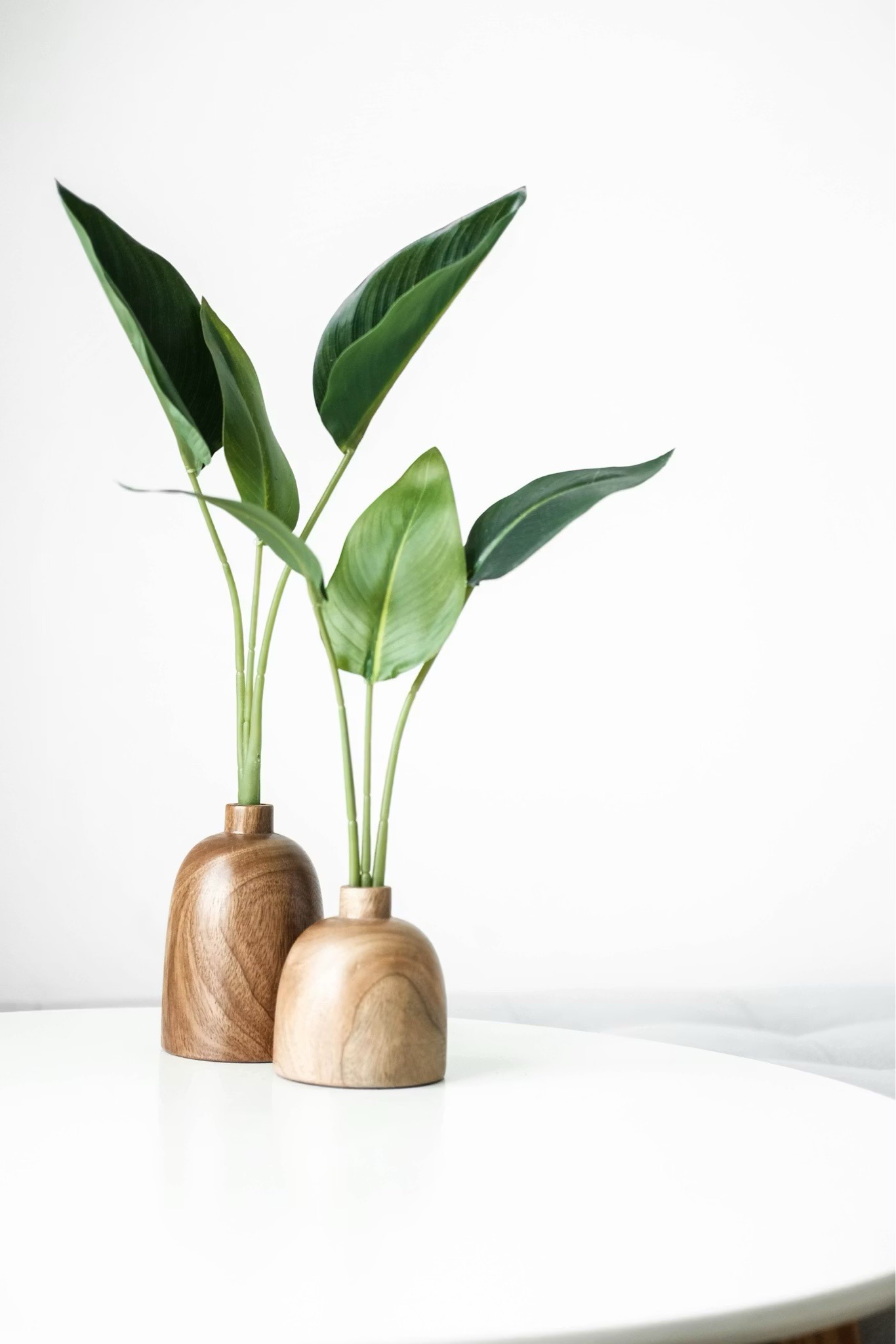
Bird of Paradise
Strelitzia reginae
A striking ornamental plant known for its large, stiff, banana-like evergreen leaves and uniquely shaped flowers that resemble the head of a crane or bird of paradise.
- Light
- Full sun to bright indirect light; at least 4-6 hours of direct sunlight is needed for optimal blooming.
- Water
- Moderate watering needs. Keep soil moist but not soggy during spring and summer; allow soil to dry out more between waterings in winter.
- Growth
- Clumping perennial herb; grows 5-6 feet tall and wide; slow to moderate growth rate.
Care instructions
Thrives in bright light and requires well-draining soil. Water when the top inch of soil feels dry, but avoid waterlogging. Feed with a balanced liquid fertilizer every two weeks during the growing season.
Growing details
Sunlight
Full sun to bright indirect light; at least 4-6 hours of direct sunlight is needed for optimal blooming.
Watering
Moderate watering needs. Keep soil moist but not soggy during spring and summer; allow soil to dry out more between waterings in winter.
Soil
Rich, loamy, well-draining soil with a slightly acidic to neutral pH (5.5 to 7.5).
Hardiness zone
USDA zones 10-12; it is frost-sensitive and cannot withstand temperatures below 24°F (-4°C).
Growth habit
Clumping perennial herb; grows 5-6 feet tall and wide; slow to moderate growth rate.
Bloom season
Can bloom throughout the year in ideal conditions, peaking in winter and spring. Flowers consist of orange sepals and blue petals emerging from a beak-like spathe.
Propagation
Propagated by seed (slow) or more commonly by division of the underground rhizomes in early spring.
Common pests & issues
Susceptible to scale, mealybugs, and spider mites. Root rot can occur if overwatered. Fungal leaf spot may occur in high humidity.
Similar species
Strelitzia nicolai (Giant Bird of Paradise) which is much larger with white flowers, and Heliconia species which have similar foliage but different flower structures.