
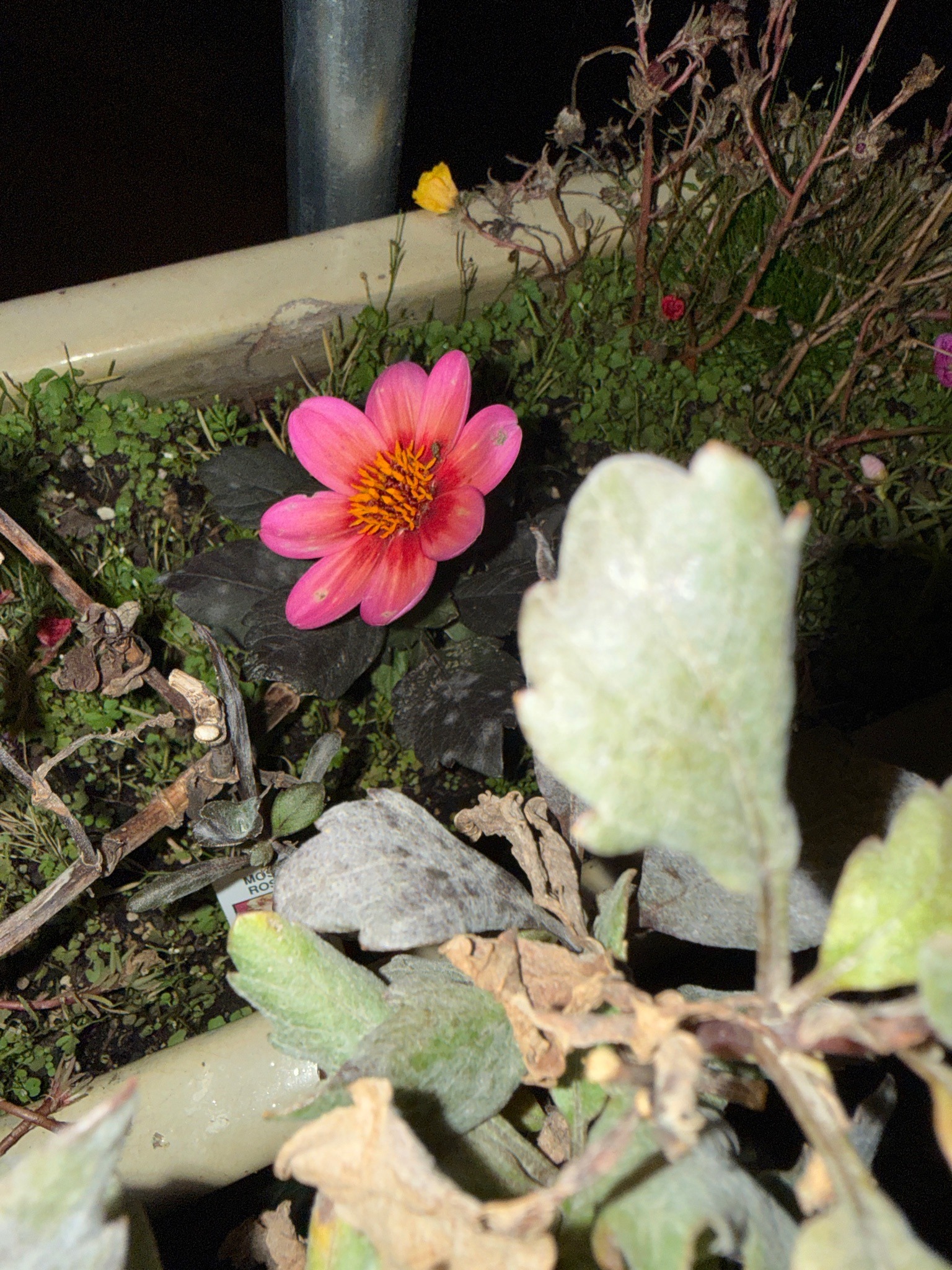
Bishop of Llandaff Dahlia
Dahlia 'Bishop of Llandaff'
A popular cultivar featuring vibrant, semi-double crimson-red flowers contrasting sharply with dark bronze-to-black foliage and bright yellow central disk florets.
- Light
- Full sun, requiring 6 to 8 hours of direct sunlight per day.
- Water
- Water thoroughly once a week, increasing frequency during hot, dry spells. Ensure the soil never becomes waterlogged to prevent root problems, and watch for wilting as a sign of underwatering.
- Growth
- Tuberous perennial with an upright, bushy growth habit, reaching mature heights of 3 feet (90 cm) with a spread of about 2 feet (60 cm). Moderate to fast growth rate during the warm season.
Care instructions
Provide full sun with at least 6 hours of direct light daily. Plant in well-draining, fertile soil enriched with organic matter. Water deeply and regularly, allowing the top couple of inches of soil to dry out between waterings. Apply a balanced, low-nitrogen fertilizer every few weeks during the growing season to encourage abundant flowering.
Growing details
Sunlight
Full sun, requiring 6 to 8 hours of direct sunlight per day.
Watering
Water thoroughly once a week, increasing frequency during hot, dry spells. Ensure the soil never becomes waterlogged to prevent root problems, and watch for wilting as a sign of underwatering.
Soil
Rich, loamy, and well-draining soil with an optimal pH range between 6.0 and 7.0.
Hardiness zone
USDA hardiness zones 8 through 10, often treated as tender perennials or lifted and stored indoors for the winter in colder regions.
Growth habit
Tuberous perennial with an upright, bushy growth habit, reaching mature heights of 3 feet (90 cm) with a spread of about 2 feet (60 cm). Moderate to fast growth rate during the warm season.
Bloom season
Blooms from mid-summer through the first autumn frosts, producing striking bright red flowers with contrasting dark foliage.
Propagation
Propagated primarily through division of the underground tubers in early spring, ensuring each division has at least one visible eye/bud, or through stem cuttings taken in late spring.
Common pests & issues
Susceptible to powdery mildew, slugs, snails, and aphids. Prevent fungal issues by providing good air circulation and avoid overhead watering; manage pests with appropriate physical barriers or horticultural sprays.
Similar species
Other dark-foliaged dahlia cultivars such as 'Fascination' or 'Gallery Art Deco', which can be distinguished by differences in flower petal shape, color shade, and overall plant height.