
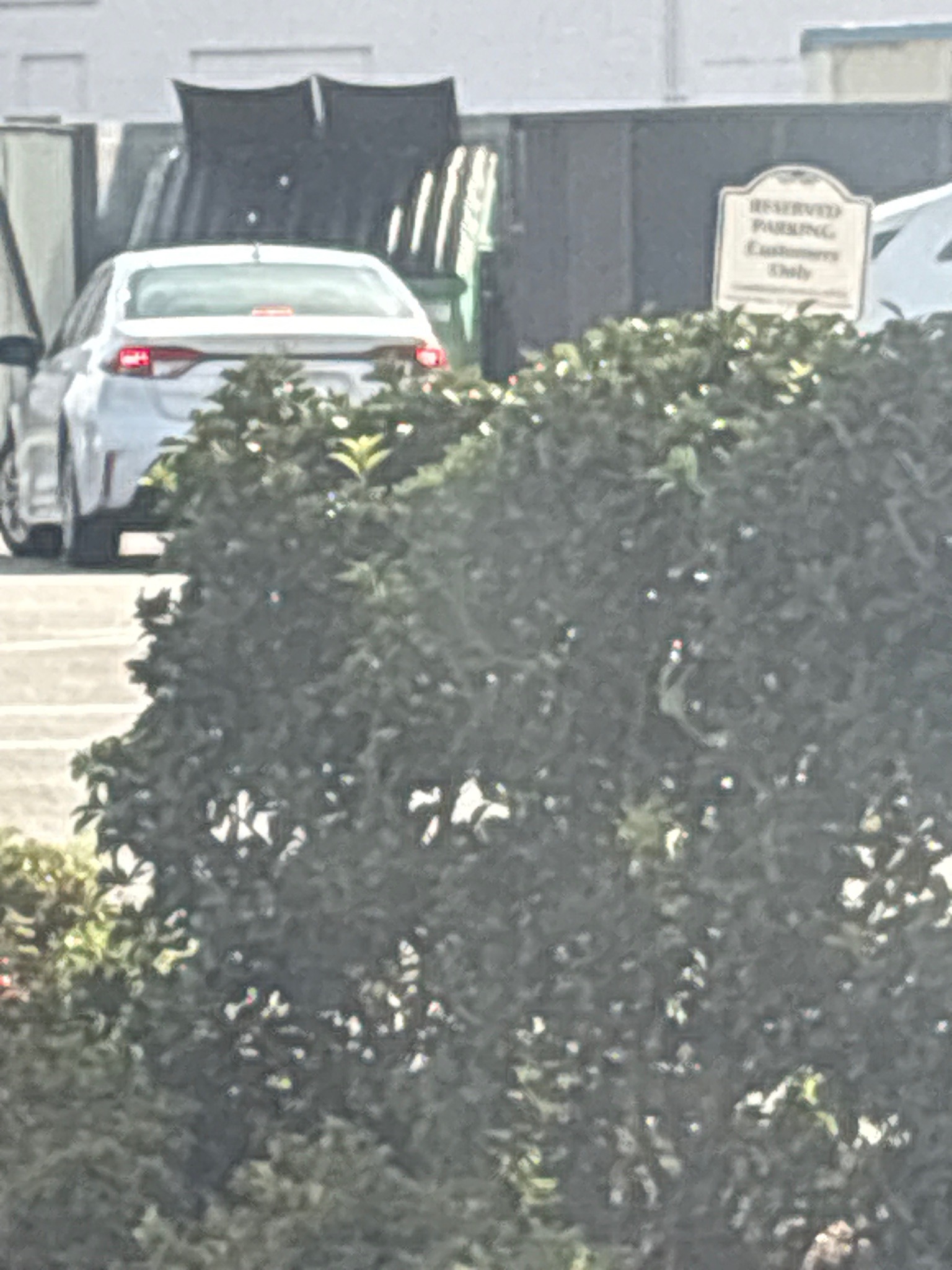
Boxwood
Buxus sempervirens
A dense, evergreen shrub or small tree featuring small, glossy, opposite dark green leaves and a compact, rounded growth habit that makes it highly popular for formal hedging.
- Light
- Full sun to partial shade, ideally requiring 4 to 6 hours of direct sunlight daily.
- Water
- Moderate watering needs. Water deeply and regularly during the first growing season to establish roots. Once established, it has moderate drought tolerance, but prolonged dry spells require supplemental watering. Avoid soggy, waterlogged soils.
- Growth
- Perennial evergreen shrub with a slow to moderate growth rate, typically maturing to a height and spread of 5 to 15 feet depending on pruning and cultivar.
Care instructions
Provide full sun to partial shade with well-draining soil. Water deeply when the top few inches of soil are dry, and apply a balanced slow-release fertilizer in early spring.
Growing details
Sunlight
Full sun to partial shade, ideally requiring 4 to 6 hours of direct sunlight daily.
Watering
Moderate watering needs. Water deeply and regularly during the first growing season to establish roots. Once established, it has moderate drought tolerance, but prolonged dry spells require supplemental watering. Avoid soggy, waterlogged soils.
Soil
Prefers evenly moist, well-draining loamy or sandy soils with a neutral to slightly alkaline pH range between 6.5 and 7.5.
Hardiness zone
USDA Hardiness Zones 5 through 9
Growth habit
Perennial evergreen shrub with a slow to moderate growth rate, typically maturing to a height and spread of 5 to 15 feet depending on pruning and cultivar.
Bloom season
Spring. Produces inconspicuous, small, pale yellow-green flowers without petals, clustered in the leaf axils.
Propagation
Propagated easily through semi-hardwood stem cuttings taken in late summer or early autumn, treated with rooting hormone and placed in a well-draining medium.
Common pests & issues
Susceptible to root rot in poorly draining soils, leaf spot, and boxwood blight. Pests include boxwood leafminer and psyllids, which can be managed with proper sanitation, pruning, and appropriate horticultural treatments.
Similar species
Japanese Holly (Ilex crenata) is a common look-alike, but it can be distinguished by its alternate leaf arrangement and small black berries, whereas boxwoods have opposite leaves.