
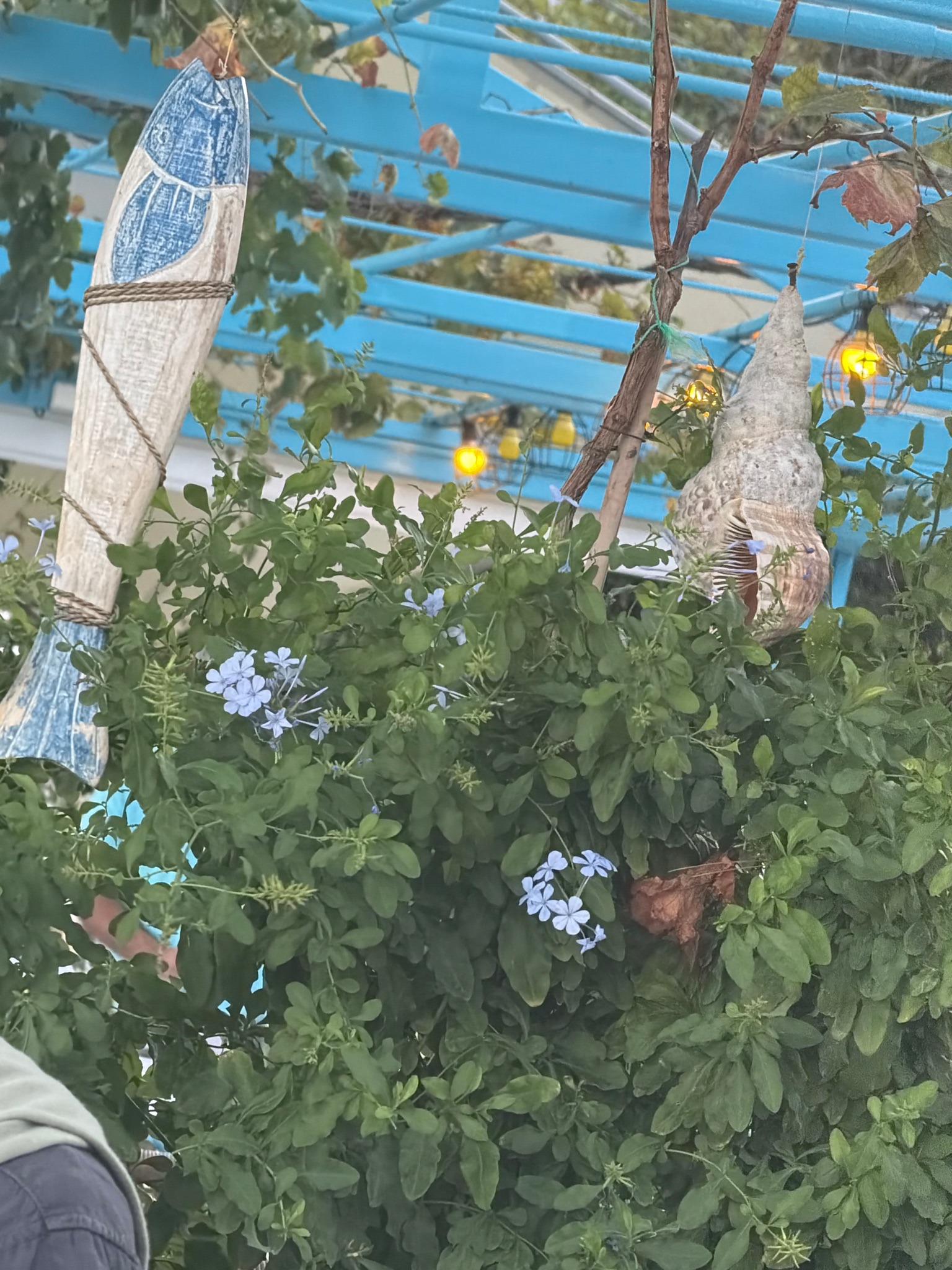
Cape Leadwort
Plumbago auriculata
A scrambling, evergreen shrub featuring light blue, phlox-like flowers grouped in terminal clusters and bright green, oblong leaves.
- Light
- Full sun to partial shade, requiring at least 6 hours of direct sunlight daily for optimal flowering.
- Water
- Moderate watering needs. Allow the top few centimeters of soil to dry out between waterings. Drought-tolerant once established.
- Growth
- A sprawling evergreen shrub or climber that can reach 3 to 10 feet in height and spread up to 6 to 10 feet if supported.
Care instructions
Grow in full sun to partial shade with well-draining soil. Water regularly during the growing season, allowing the soil to dry slightly between waterings, and reduce watering in winter. Feed with a balanced, slow-release fertilizer in spring.
Growing details
Sunlight
Full sun to partial shade, requiring at least 6 hours of direct sunlight daily for optimal flowering.
Watering
Moderate watering needs. Allow the top few centimeters of soil to dry out between waterings. Drought-tolerant once established.
Soil
Well-draining sandy or loamy soils with a neutral to slightly acidic pH range of 6.0 to 7.0.
Hardiness zone
USDA zones 9 to 11. Can be grown as an annual or container plant in cooler climates.
Growth habit
A sprawling evergreen shrub or climber that can reach 3 to 10 feet in height and spread up to 6 to 10 feet if supported.
Bloom season
Blooms continuously from late spring through autumn, producing delicate sky-blue or royal-blue tubular flowers arranged in phlox-like clusters.
Propagation
Propagated easily through semi-hardwood cuttings taken in spring or summer, or by division of established root clumps.
Common pests & issues
Generally trouble-free, but may occasionally attract aphids, spider mites, or mealybugs. Overwatering can lead to root rot.
Similar species
Plumbago indica, which features reddish-pink flowers instead of blue.