
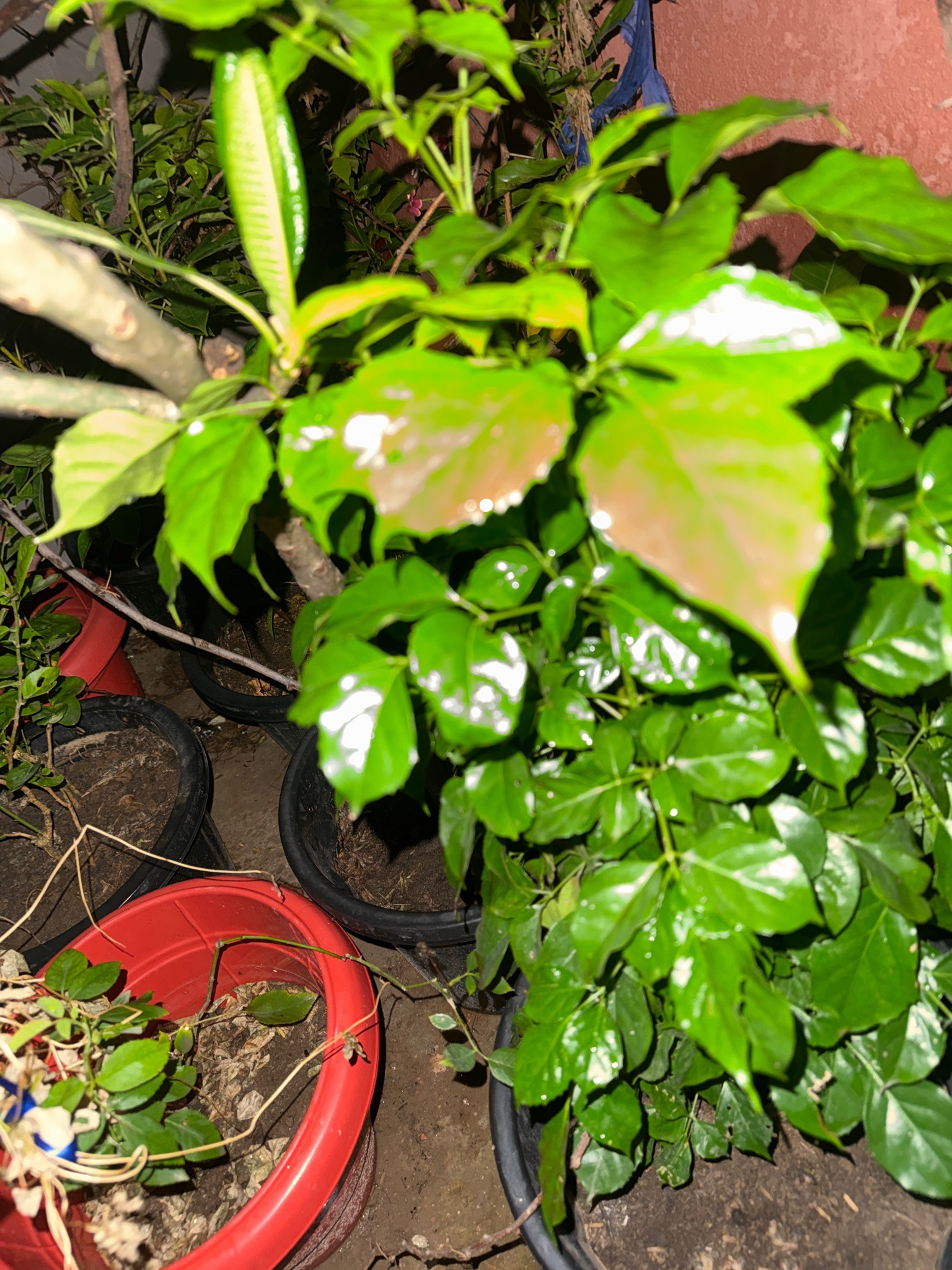
China Doll Plant
Radermachera sinica
An evergreen shrub or small tree featuring glossy, dark green, bipinnate or tripinnate leaves with delicate leaflets, creating a lush and dense canopy.
- Light
- Bright, indirect light for 6 to 8 hours per day; protect from harsh direct afternoon sun.
- Water
- Water thoroughly whenever the top inch of soil feels dry. Avoid letting the plant sit in standing water, and prevent complete drying out between watering sessions.
- Growth
- Perennial shrub or small tree with an upright, branching habit, reaching mature indoor heights of 4 to 6 feet with a moderate growth rate.
Care instructions
Provide bright, indirect sunlight, keep the soil consistently moist but well-draining, and maintain moderate indoor humidity with regular balanced fertilization during the active growing season.
Growing details
Sunlight
Bright, indirect light for 6 to 8 hours per day; protect from harsh direct afternoon sun.
Watering
Water thoroughly whenever the top inch of soil feels dry. Avoid letting the plant sit in standing water, and prevent complete drying out between watering sessions.
Soil
Well-draining, rich loamy soil with a slightly acidic to neutral pH range of 6.0 to 7.0.
Hardiness zone
USDA zones 10 to 11; typically grown as an indoor container plant in cooler climates.
Growth habit
Perennial shrub or small tree with an upright, branching habit, reaching mature indoor heights of 4 to 6 feet with a moderate growth rate.
Bloom season
Bell-shaped, yellowish-white or pinkish flowers typically appear in late spring to summer on mature plants, though flowering is rare indoors.
Propagation
Propagated primarily through stem tip cuttings taken in spring or summer, placed in a moist propagation medium under high humidity.
Common pests & issues
Prone to root rot from overwatering, and can occasionally attract spider mites or mealybugs in dry indoor environments.
Similar species
Radermachera sinica can be confused with Polyscias fruticosa (Ming aralia) or Radermachera 'Everest', but is distinguished by its broader, glossier leaflets and more distinct vein patterns.