
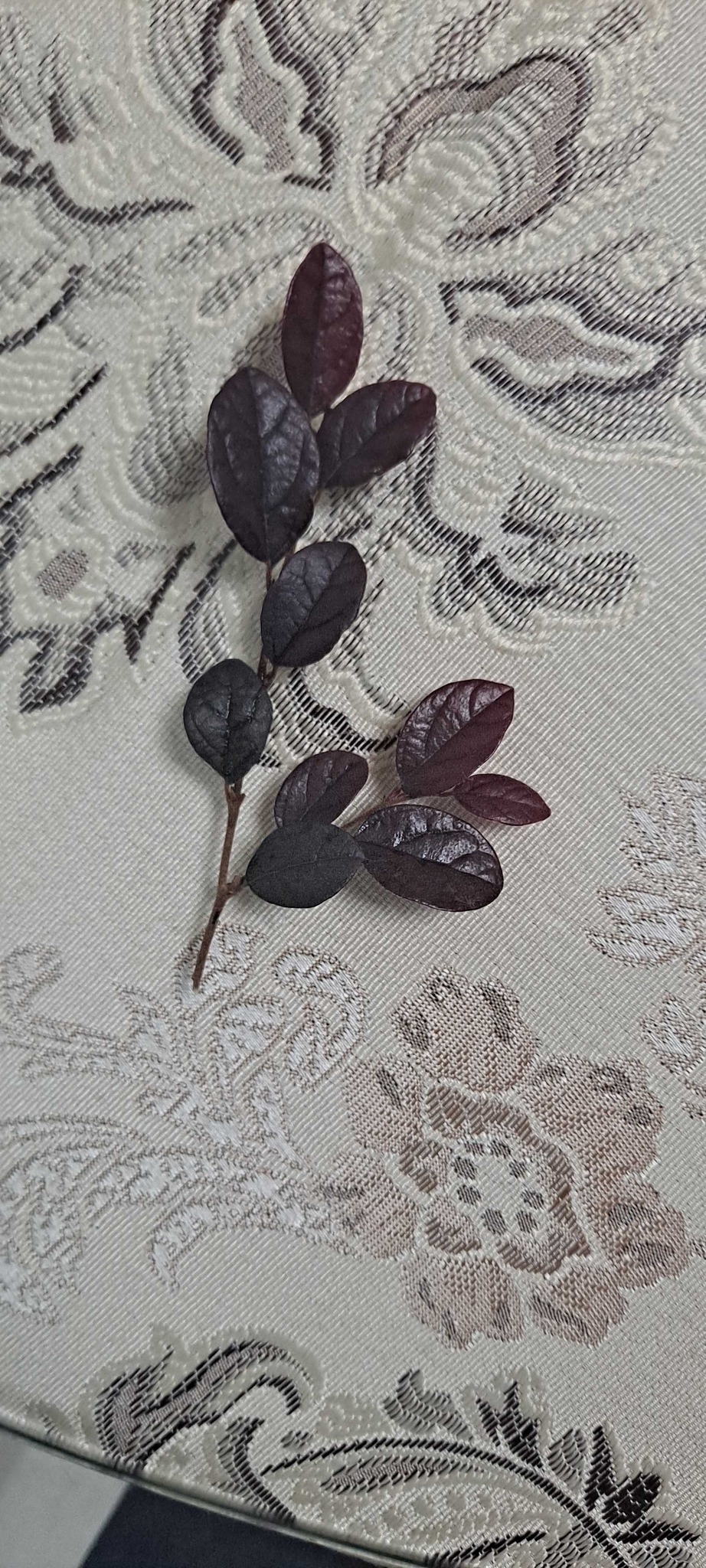
Chinese Fringe Flower
Loropetalum chinense
An evergreen shrub featuring alternate, simple, oval leaves with smooth margins and a distinct dark purple or burgundy coloration, attached to a woody stem.
- Light
- Full sun to partial shade, requiring at least 4 to 6 hours of direct sunlight daily.
- Water
- Moderate watering needs. Water deeply when the top two inches of soil feel dry. Established plants have moderate drought tolerance.
- Growth
- Perennial evergreen shrub with a dense, rounded growth habit, reaching heights of 6 to 15 feet and spreads of 6 to 10 feet with a moderate growth rate.
Care instructions
Plant in full sun to partial shade for best foliage color. Provide regular watering allowing the soil to dry slightly between sessions. Use well-draining, slightly acidic soil enriched with organic matter. Feed with a balanced, slow-release fertilizer in early spring.
Growing details
Sunlight
Full sun to partial shade, requiring at least 4 to 6 hours of direct sunlight daily.
Watering
Moderate watering needs. Water deeply when the top two inches of soil feel dry. Established plants have moderate drought tolerance.
Soil
Well-draining, loamy or sandy soils with an acidic to neutral pH range of 5.5 to 6.5.
Hardiness zone
USDA zones 7 through 10, tolerating moderate frost and summer heat.
Growth habit
Perennial evergreen shrub with a dense, rounded growth habit, reaching heights of 6 to 15 feet and spreads of 6 to 10 feet with a moderate growth rate.
Bloom season
Spring to early summer, producing clusters of slender, strap-shaped pink or white flowers with a subtle sweet fragrance.
Propagation
Propagated primarily through semi-hardwood cuttings taken in summer, treated with rooting hormone, and placed in a humid propagating environment.
Common pests & issues
Generally resilient, but susceptible to root rot in poorly draining soils. Common pests include aphids and spider mites, which can be managed with insecticidal soap.
Similar species
Distinguished from other dark-leafed shrubs like purple leaf plum (Prunus cerasifera) by its smaller, evergreen leaves and distinct witch-hazel-like flower structure.