
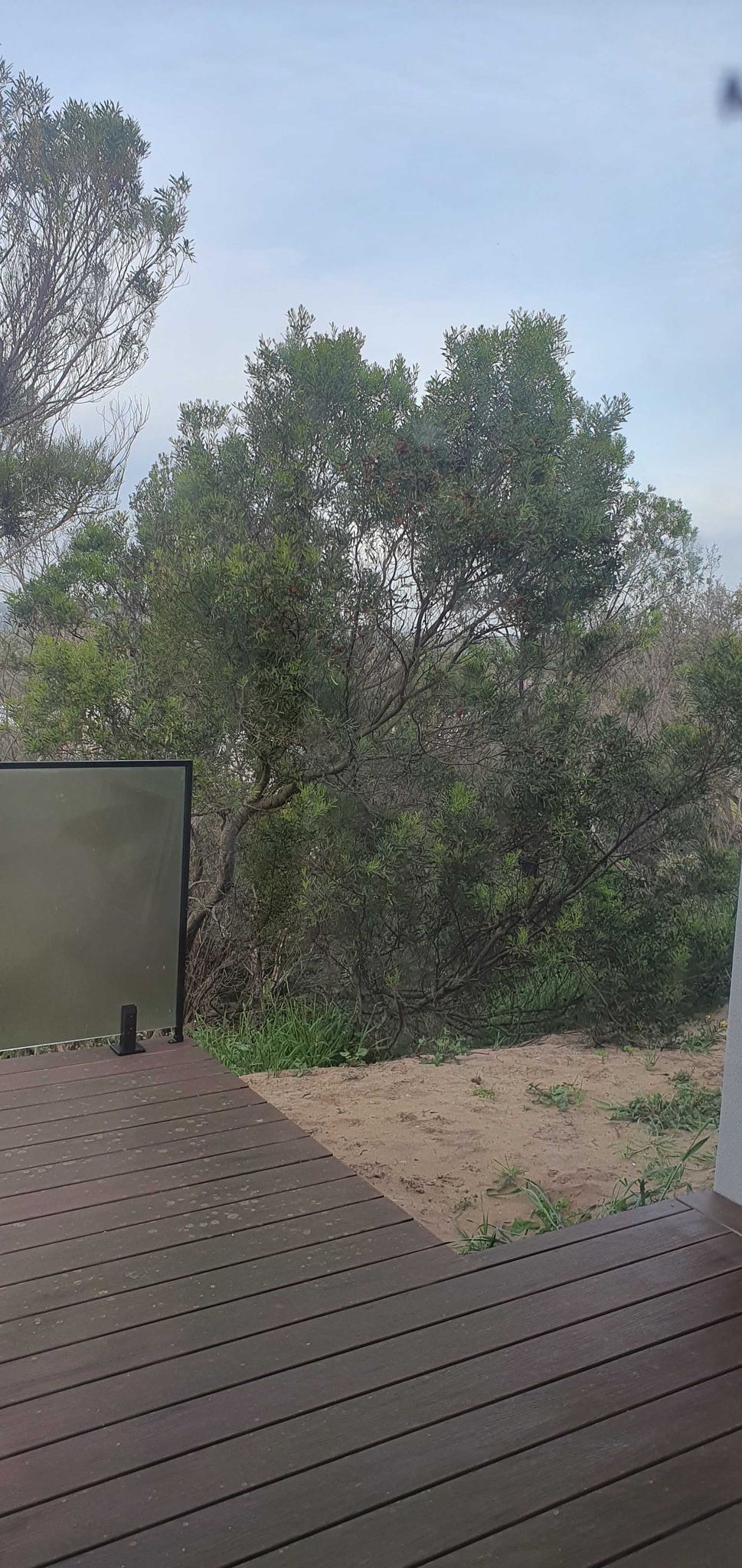
Coast Banksia
Banksia integrifolia
An evergreen tree or large shrub with dark, rough bark, narrow dark green leaves with silvery undersides, and cylindrical yellow flower spikes.
- Light
- Full sun, requiring at least 6 to 8 hours of direct sunlight daily.
- Water
- Low watering needs once established. Water deeply but infrequently during extended dry periods. Allow the soil to dry out between watering sessions to prevent root rot.
- Growth
- Perennial evergreen tree or large shrub with an upright, branching habit, growing up to 10 to 15 meters tall with a moderate growth rate.
Care instructions
Provide full sun and sandy, well-draining soil. Water regularly when young to establish a deep root system, becoming highly drought-tolerant once mature. Avoid using high-phosphorus fertilizers.
Growing details
Sunlight
Full sun, requiring at least 6 to 8 hours of direct sunlight daily.
Watering
Low watering needs once established. Water deeply but infrequently during extended dry periods. Allow the soil to dry out between watering sessions to prevent root rot.
Soil
Prefers sandy, well-draining soils with low nutrient levels. Adapts well to acidic to neutral pH ranges.
Hardiness zone
USDA Hardiness Zones 9 to 11
Growth habit
Perennial evergreen tree or large shrub with an upright, branching habit, growing up to 10 to 15 meters tall with a moderate growth rate.
Bloom season
Autumn through winter, featuring cylindrical, pale yellow to golden flower spikes.
Propagation
Propagated primarily from seed sown in spring in well-draining propagating mix, or through semi-hardwood cuttings.
Common pests & issues
Generally resistant to pests and diseases, but susceptible to root rot in poorly draining, heavy soils.
Similar species
Banksia serrata (Old Man Banksia), distinguished by its larger, wider serrated leaves and massive, gnarled seed cones.