
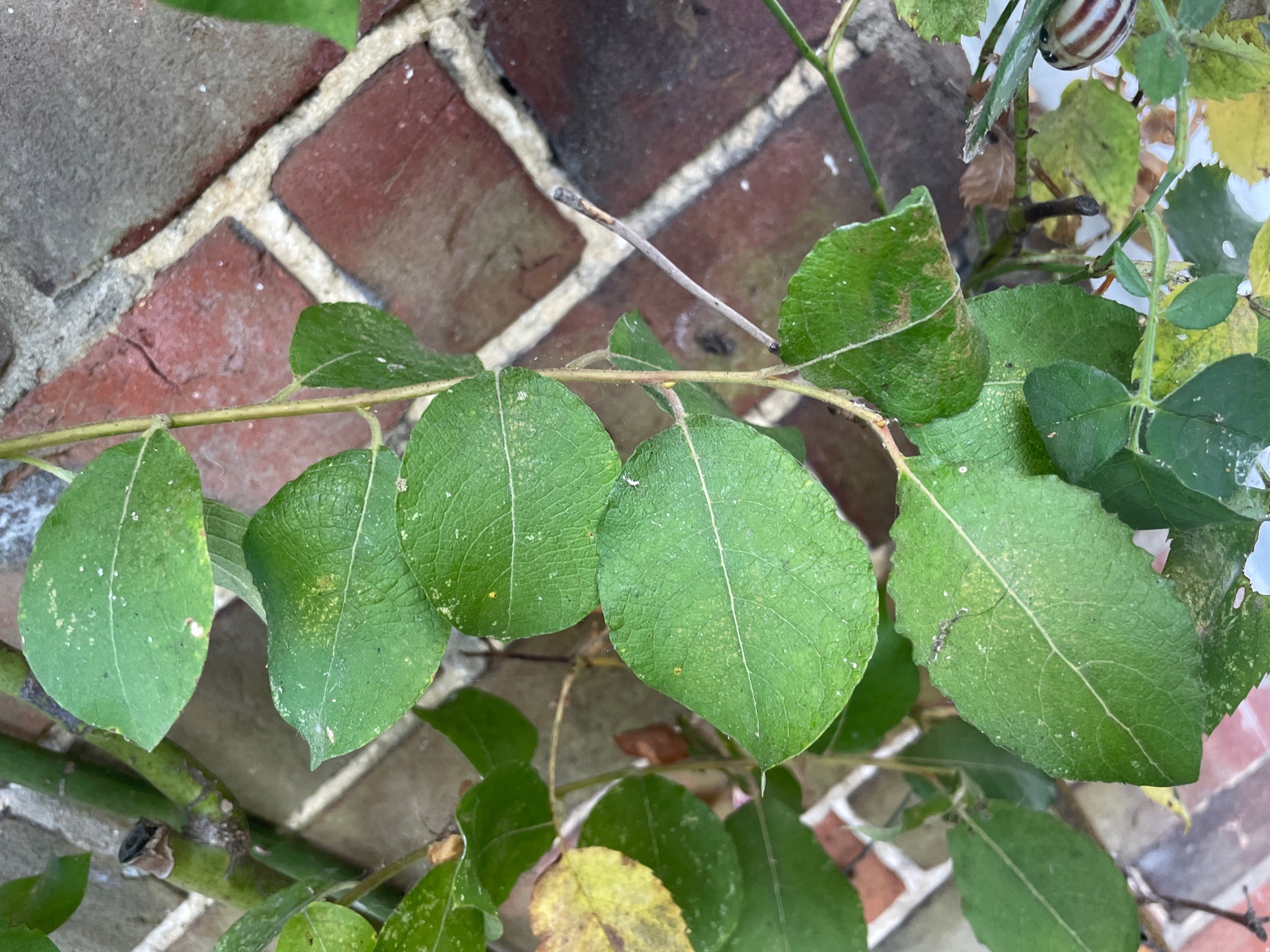
Common Lilac
Syringa vulgaris
A large deciduous shrub or small tree featuring heart-shaped to ovate green leaves arranged oppositely along woody stems. The visible foliage shows prominent pinnate venation and smooth margins.
- Light
- Full sun, requiring at least six hours of direct sunlight daily.
- Water
- Moderate watering needs. Water deeply during establishment and periods of prolonged drought, allowing the soil to dry out somewhat between waterings.
- Growth
- Perennial deciduous shrub with an upright, multi-stemmed growth habit. Typically reaches mature heights of 8 to 15 feet with a similar spread, growing at a moderate rate.
Care instructions
Provide full sun for optimal flowering, plant in well-draining neutral to slightly alkaline soil, and water deeply when the top few inches of soil become dry. Prune immediately after the flowering season concludes to shape the plant and encourage next year's flower buds.
Growing details
Sunlight
Full sun, requiring at least six hours of direct sunlight daily.
Watering
Moderate watering needs. Water deeply during establishment and periods of prolonged drought, allowing the soil to dry out somewhat between waterings.
Soil
Prefers fertile, humus-rich, well-draining soil with a neutral to slightly alkaline pH range between 6.5 and 7.0.
Hardiness zone
USDA Zones 3 through 7
Growth habit
Perennial deciduous shrub with an upright, multi-stemmed growth habit. Typically reaches mature heights of 8 to 15 feet with a similar spread, growing at a moderate rate.
Bloom season
Spring. Produces dense, conical clusters (panicles) of fragrant flowers in shades of purple, lilac, pink, white, or magenta.
Propagation
Propagated through softwood cuttings taken in late spring, layering, or by digging up and separating root suckers in autumn or early spring.
Common pests & issues
Susceptible to powdery mildew during humid weather and bacterial blight. Pests such as borers and scale can occasionally affect stems and foliage.
Similar species
Persian lilac (Syringa x persicana), which has smaller leaves and finer branches, and California lilac (Ceanothus species), which belongs to a different family and features distinct blue flowers and evergreen foliage.