
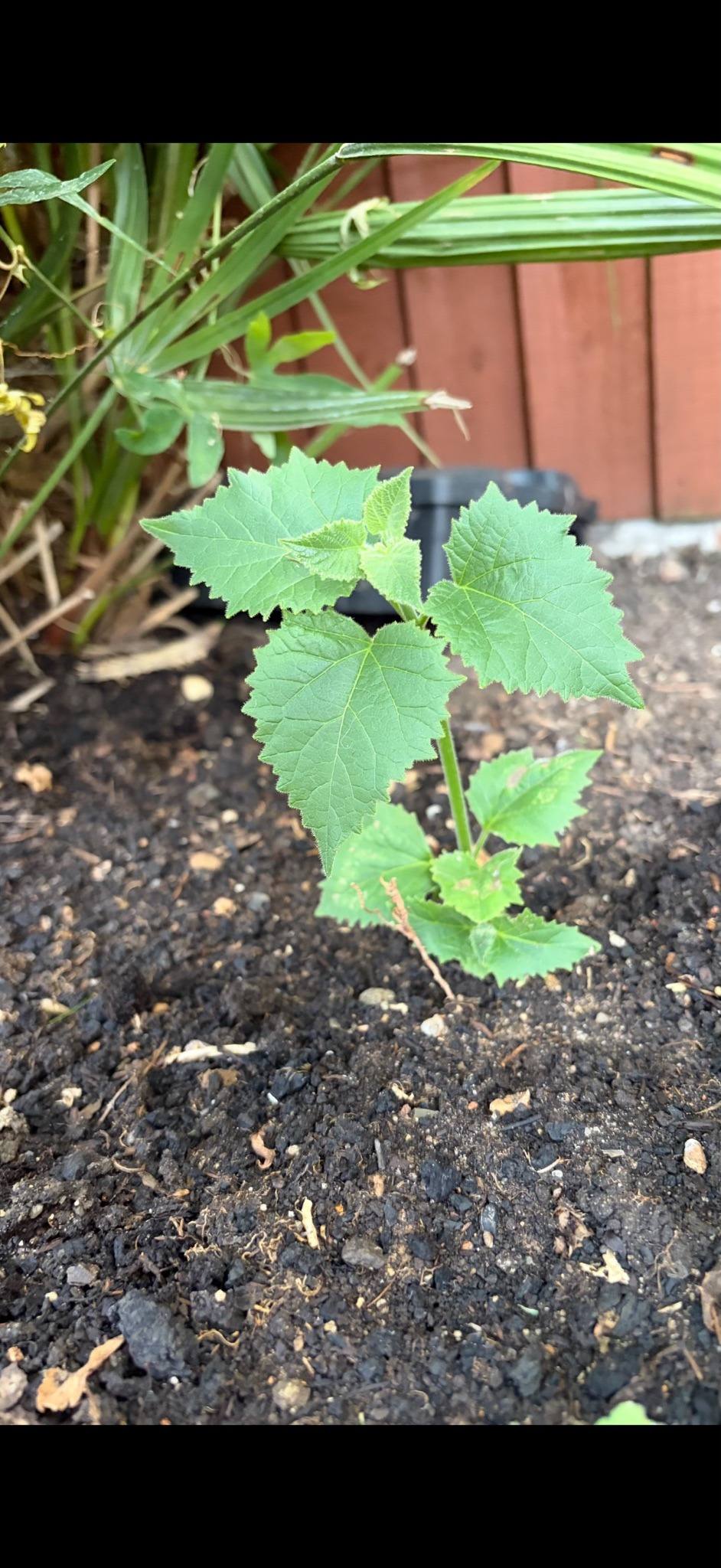
Common Mallow
Malva sylvestris
An herbaceous plant featuring rounded to lobed leaves with serrated margins, prominent veins, and a soft, slightly hairy texture on upright stems.
- Light
- Full sun to partial shade, requiring at least 6 hours of direct sunlight daily for optimal development.
- Water
- Water moderately when the top inch of soil feels dry. Established plants display moderate drought tolerance, though prolonged dryness can stunt growth.
- Growth
- An herbaceous annual or perennial plant forming an upright or spreading clump, reaching heights of 2 to 4 feet with a spread of 1 to 2 feet, featuring a moderate growth rate.
Care instructions
Provide full sun to partial shade in well-draining soil. Water regularly during dry spells to maintain moderately moist soil, and apply a balanced, slow-release fertilizer in spring to support healthy vegetative growth.
Growing details
Sunlight
Full sun to partial shade, requiring at least 6 hours of direct sunlight daily for optimal development.
Watering
Water moderately when the top inch of soil feels dry. Established plants display moderate drought tolerance, though prolonged dryness can stunt growth.
Soil
Thrives in fertile, well-draining loamy or sandy soils with a neutral pH range between 6.0 and 7.5.
Hardiness zone
USDA Hardiness Zones 4 through 8, exhibiting good winter resilience in temperate climates.
Growth habit
An herbaceous annual or perennial plant forming an upright or spreading clump, reaching heights of 2 to 4 feet with a spread of 1 to 2 feet, featuring a moderate growth rate.
Bloom season
Flowers from late spring through late summer, producing distinctive pink to purplish-lavender blossoms with darker veining.
Propagation
Propagated primarily through seeds sown directly in the garden after the last spring frost, or via stem cuttings taken during the active growing season.
Common pests & issues
Susceptible to fungal issues such as rust and powdery mildew, particularly in humid conditions. Ensure adequate air circulation and avoid overhead watering to prevent these conditions.
Similar species
Can be confused with other Malva species or certain members of the Malvaceae family, distinguished primarily by specific leaf lobe depths, petal notch shapes, and overall growth structures.