
Cornflower
Centaurea cyanus
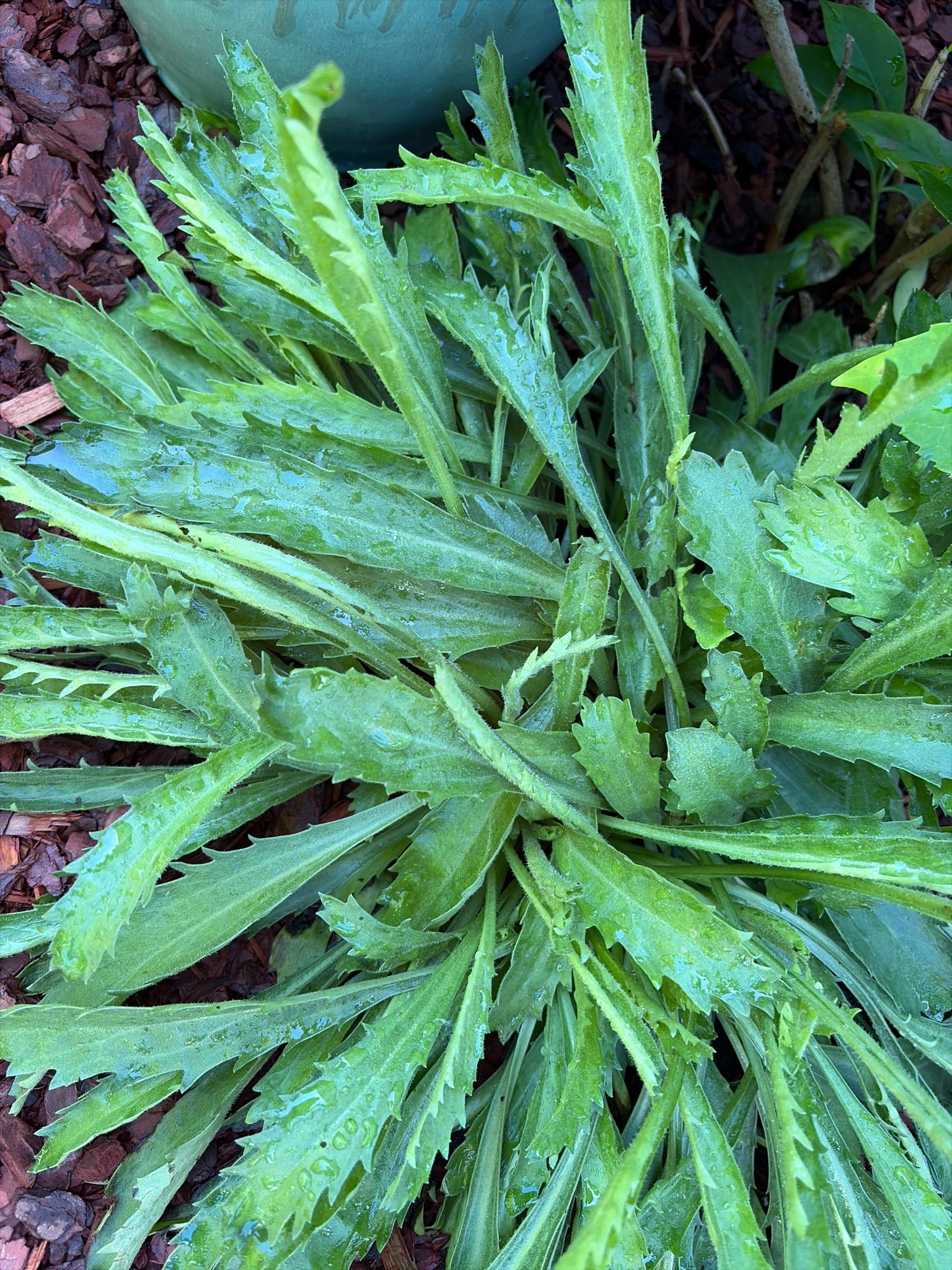
An herbaceous plant featuring a rosette of lance-shaped, grey-green, slightly hairy leaves with toothed or lobed margins, later producing upright branching stems.
- Light
- Full sun, requiring at least 6 to 8 hours of direct sunlight daily.
- Water
- Moderate watering needs. Allow the top inch of soil to dry out between watering sessions. Avoid waterlogging.
- Growth
- Herbaceous annual with an upright, branching growth habit, reaching heights of 1 to 3 feet and a spread of 6 to 12 inches with a fast growth rate.
Care instructions
Provide full sun exposure and well-draining soil. Water regularly until established, then reduce as it has moderate drought tolerance. Apply a balanced, low-nitrogen fertilizer sparingly if growth is slow.
Growing details
Sunlight
Full sun, requiring at least 6 to 8 hours of direct sunlight daily.
Watering
Moderate watering needs. Allow the top inch of soil to dry out between watering sessions. Avoid waterlogging.
Soil
Prefers well-draining, loamy to sandy soils with a neutral to slightly alkaline pH range of 6.6 to 7.8.
Hardiness zone
USDA zones 2 through 11, acting as an annual in most climates.
Growth habit
Herbaceous annual with an upright, branching growth habit, reaching heights of 1 to 3 feet and a spread of 6 to 12 inches with a fast growth rate.
Bloom season
Blooms from late spring through late summer, producing distinctive button-like flower heads typically in shades of bright blue, pink, purple, or white.
Propagation
Propagated easily from seeds sown directly into the garden soil in early spring or autumn.
Common pests & issues
Susceptible to powdery mildew and rust in humid conditions with poor air circulation. Aphids can occasionally target the new growth.
Similar species
Can be confused with other Asteraceae family members in the vegetative rosette stage, but distinguished by the specific shape and light pubescence of the grey-green foliage.