
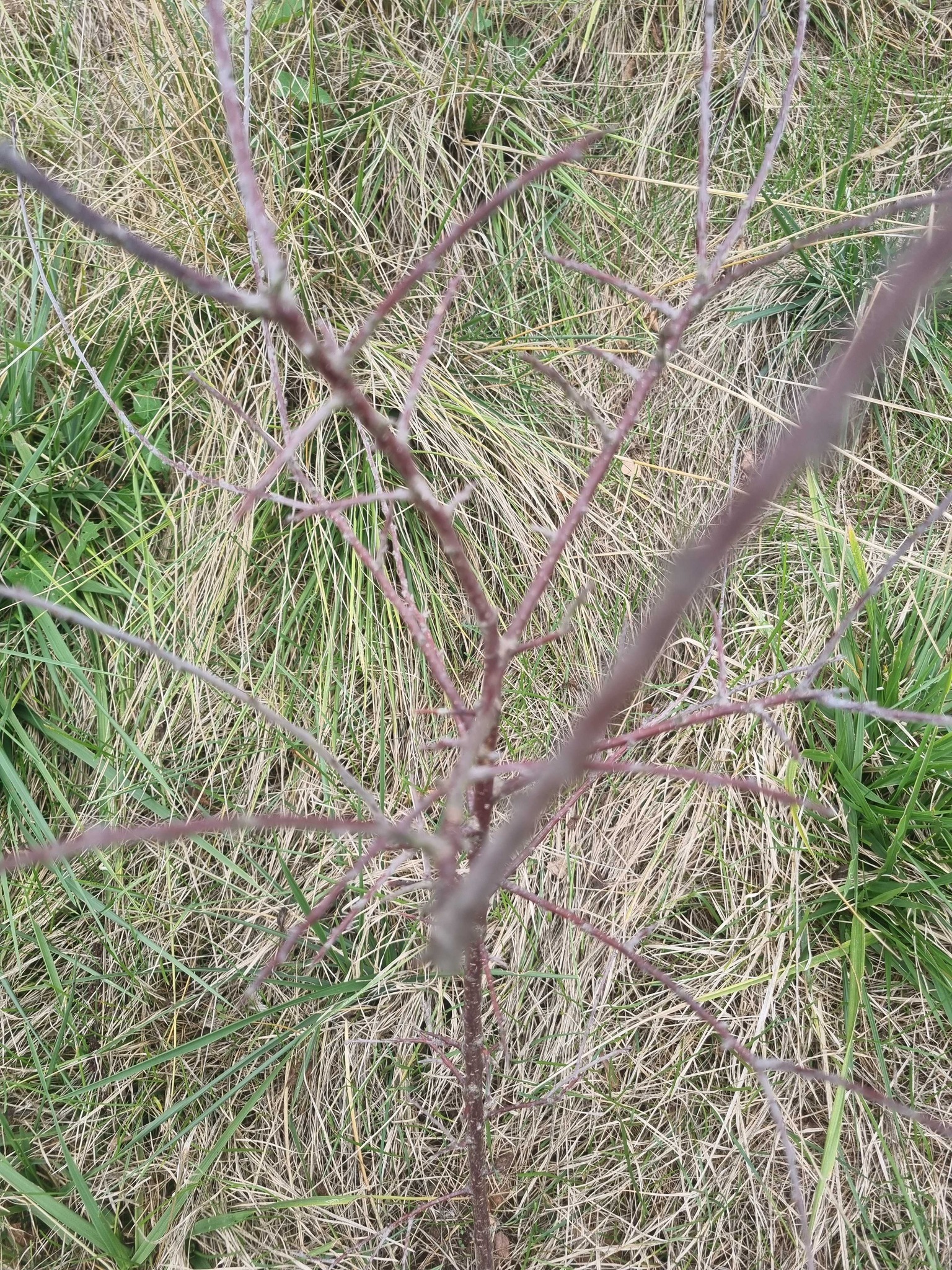
Crabapple
Malus spp.
A small to medium-sized deciduous tree or shrub featuring a slender trunk, branching habit with reddish-brown bark, and twigs that often terminate in thorns or spurs.
- Light
- Full sun, requiring at least six to eight hours of direct sunlight daily
- Water
- Moderate watering needs; provide deep irrigation every 7-10 days during dry periods. Well-established specimens display moderate drought tolerance.
- Growth
- Perennial woody plant with a rounded, spreading canopy, typically reaching heights and spreads of 15 to 25 feet with a moderate growth rate
Care instructions
Plant in full sun for optimal flowering and branch development. Provide moderate, consistent watering, especially during establishment and dry spells. Ensure well-draining soil and apply a balanced, slow-release fertilizer in early spring.
Growing details
Sunlight
Full sun, requiring at least six to eight hours of direct sunlight daily
Watering
Moderate watering needs; provide deep irrigation every 7-10 days during dry periods. Well-established specimens display moderate drought tolerance.
Soil
Thrives in loamy, clay, or sandy soils with good drainage and a neutral to slightly acidic pH range of 6.0 to 7.0
Hardiness zone
USDA hardiness zones 4 through 8, showing good cold tolerance
Growth habit
Perennial woody plant with a rounded, spreading canopy, typically reaching heights and spreads of 15 to 25 feet with a moderate growth rate
Bloom season
Blooms in mid-spring, producing abundant clusters of pink or white flowers that are often lightly fragrant
Propagation
Propagated primarily through grafting or budding onto specialized rootstocks, though seeds can be used for rootstock generation
Common pests & issues
Susceptible to fungal conditions such as apple scab, powdery mildew, and cedar-apple rust. Insect pests include aphids, borers, and Japanese beetles, managed through proper pruning, air circulation, and targeted horticultural treatments
Similar species
Distinguished from true apples (Malus domestica) by its generally smaller fruit size and distinct branching structure, and from hawthorns (Crataegus) by different leaf and thorn characteristics