
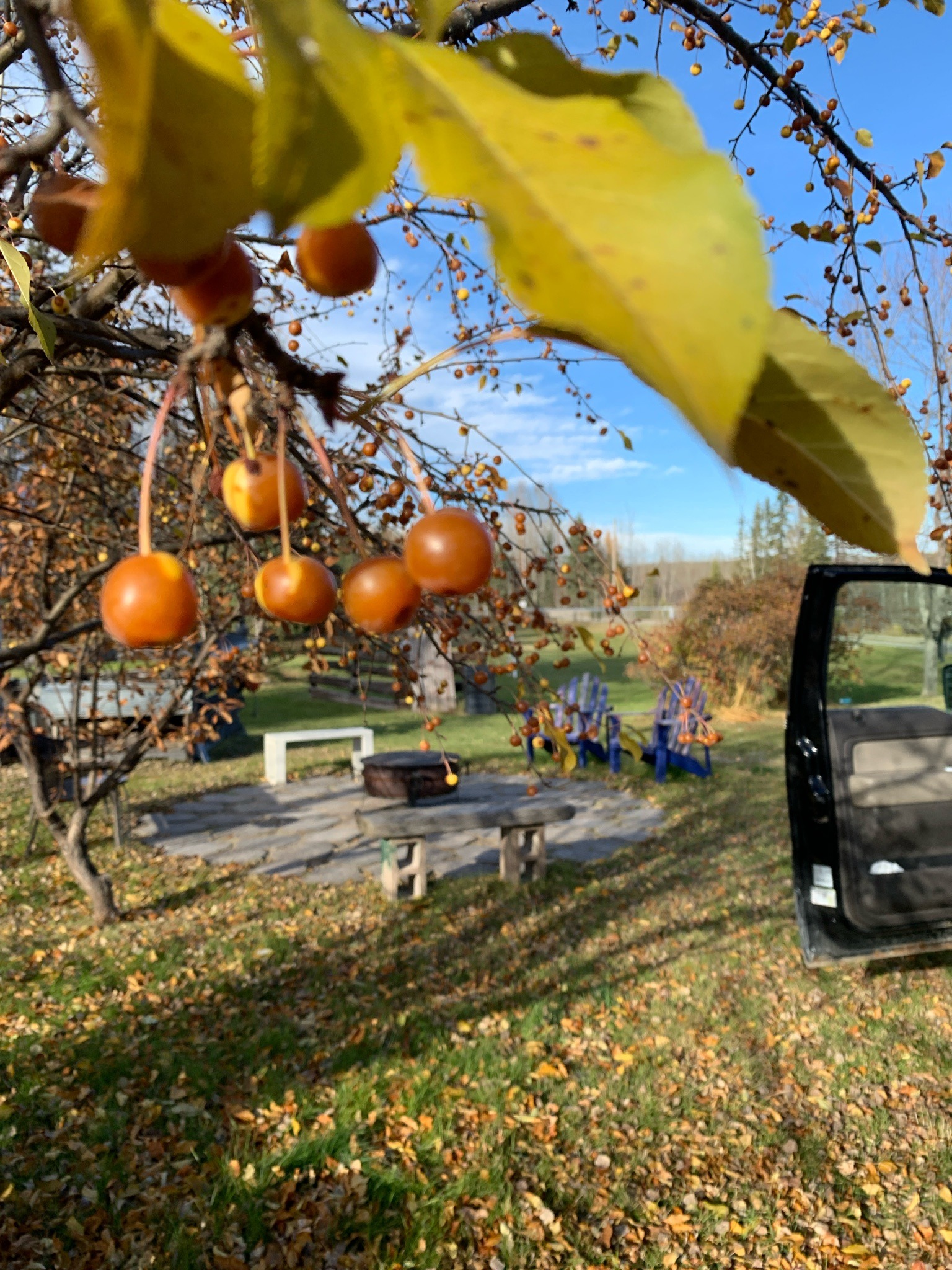
Crabapple
Malus spp.
A deciduous tree featuring alternate, simple leaves, showy spring flowers, and branching twigs carrying small, round pomes that persist into autumn and winter.
- Light
- Full sun, requiring at least 6 hours of direct sunlight daily
- Water
- Moderate watering needs. Water deeply once a week during dry periods, allowing the top few inches of soil to dry out between waterings. Drought tolerant once fully established.
- Growth
- Perennial woody tree or large shrub with a rounded or spreading canopy, reaching mature heights of 15 to 25 feet with a comparable spread, exhibiting a moderate growth rate
Care instructions
Plant in full sun with well-draining soil. Water deeply when newly planted and during prolonged dry spells to establish a deep root system. Apply a balanced, slow-release fertilizer in early spring before new growth begins.
Growing details
Sunlight
Full sun, requiring at least 6 hours of direct sunlight daily
Watering
Moderate watering needs. Water deeply once a week during dry periods, allowing the top few inches of soil to dry out between waterings. Drought tolerant once fully established.
Soil
Prefers loamy, well-draining soils with a neutral pH range between 6.0 and 7.0, though adaptable to clay and sandy types if drainage is adequate
Hardiness zone
USDA Hardiness Zones 3 through 8
Growth habit
Perennial woody tree or large shrub with a rounded or spreading canopy, reaching mature heights of 15 to 25 feet with a comparable spread, exhibiting a moderate growth rate
Bloom season
Spring, featuring profuse clusters of white, pink, or red flowers that are often fragrant
Propagation
Typically propagated through grafting or budding onto rootstocks in late winter, or from seeds that require cold stratification before sowing
Common pests & issues
Susceptible to fungal conditions such as apple scab, powdery mildew, and cedar-apple rust, as well as insect pests like aphids and borers. Ensure good air circulation through proper pruning to mitigate disease.
Similar species
Standard apple trees (Malus domestica), which generally produce significantly larger fruit and have a more spreading, robust structural form.