
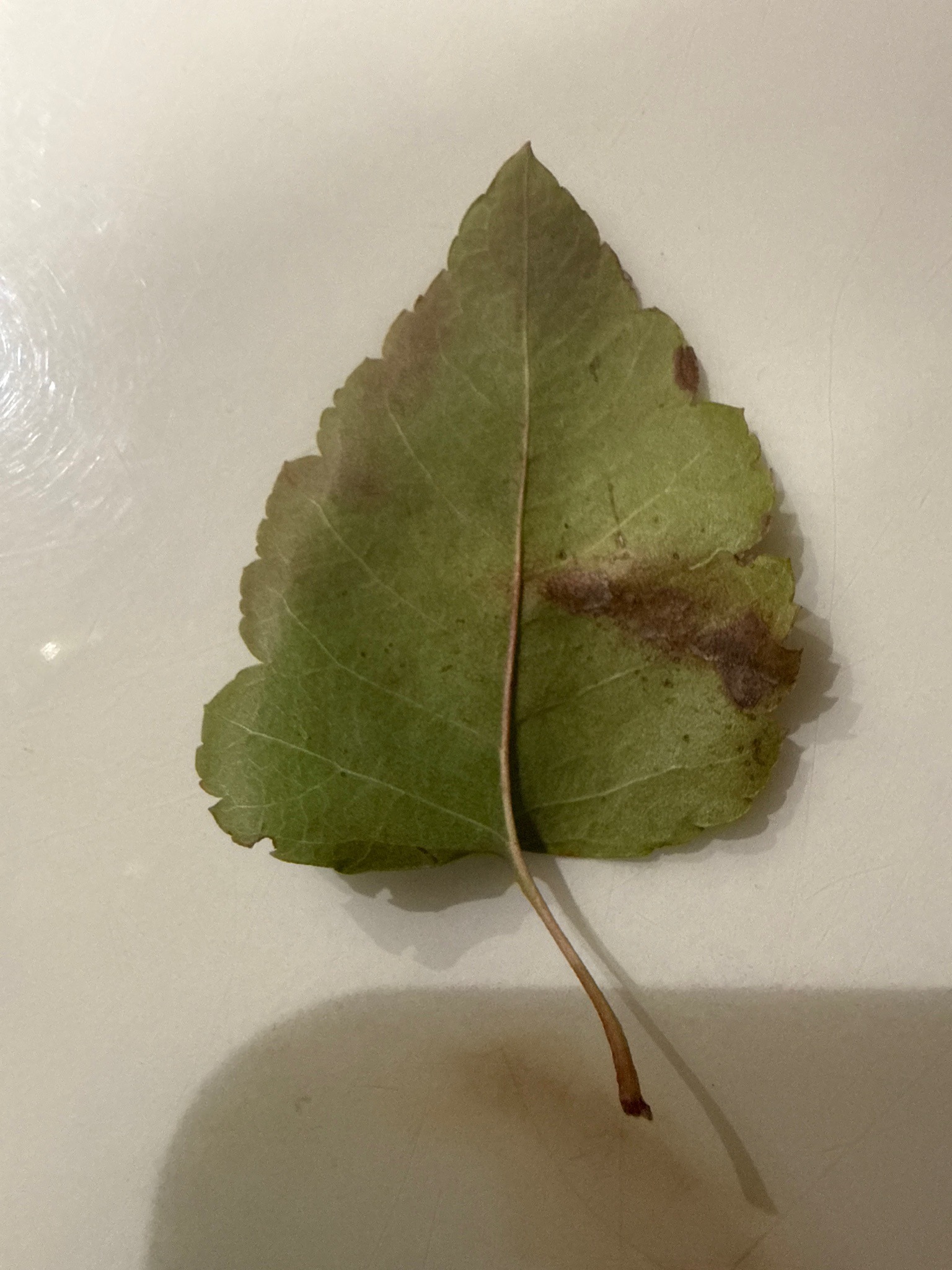
Eastern Cottonwood
Populus deltoides
Large deciduous tree featuring distinctive triangular to deltoid-shaped leaves with coarsely toothed margins and flattened petioles that cause the leaves to tremble in the wind.
- Light
- Full sun, requiring at least six hours of direct sunlight daily
- Water
- High water requirements; thrives in moist soils and tolerates occasional flooding, though young trees need regular irrigation during dry periods
- Growth
- Perennial large deciduous tree with a fast growth rate, reaching mature heights of 60 to 100 feet with an equally wide, spreading crown
Care instructions
Prefers full sun and consistently moist, well-draining soils. Water deeply during establishment and dry spells. Fertilization is generally not necessary unless soil is extremely poor.
Growing details
Sunlight
Full sun, requiring at least six hours of direct sunlight daily
Watering
High water requirements; thrives in moist soils and tolerates occasional flooding, though young trees need regular irrigation during dry periods
Soil
Adaptable to a range of moist soils including loam, clay, and sand, preferring a neutral to slightly acidic pH range
Hardiness zone
USDA zones 2 through 9
Growth habit
Perennial large deciduous tree with a fast growth rate, reaching mature heights of 60 to 100 feet with an equally wide, spreading crown
Bloom season
Spring; produces dangling catkins before the new leaves emerge, with non-showy flowers
Propagation
Propagated easily through hardwood or softwood cuttings, as well as by seed sown on moist soil soon after ripening
Common pests & issues
Susceptible to cankers, leaf rust, borers, and aphids; proper spacing and air circulation help manage fungal issues
Similar species
Quaking Aspen (Populus tremuloides), which has smaller, more rounded leaves, and Black Poplar (Populus nigra), which has a more columnar growth habit