
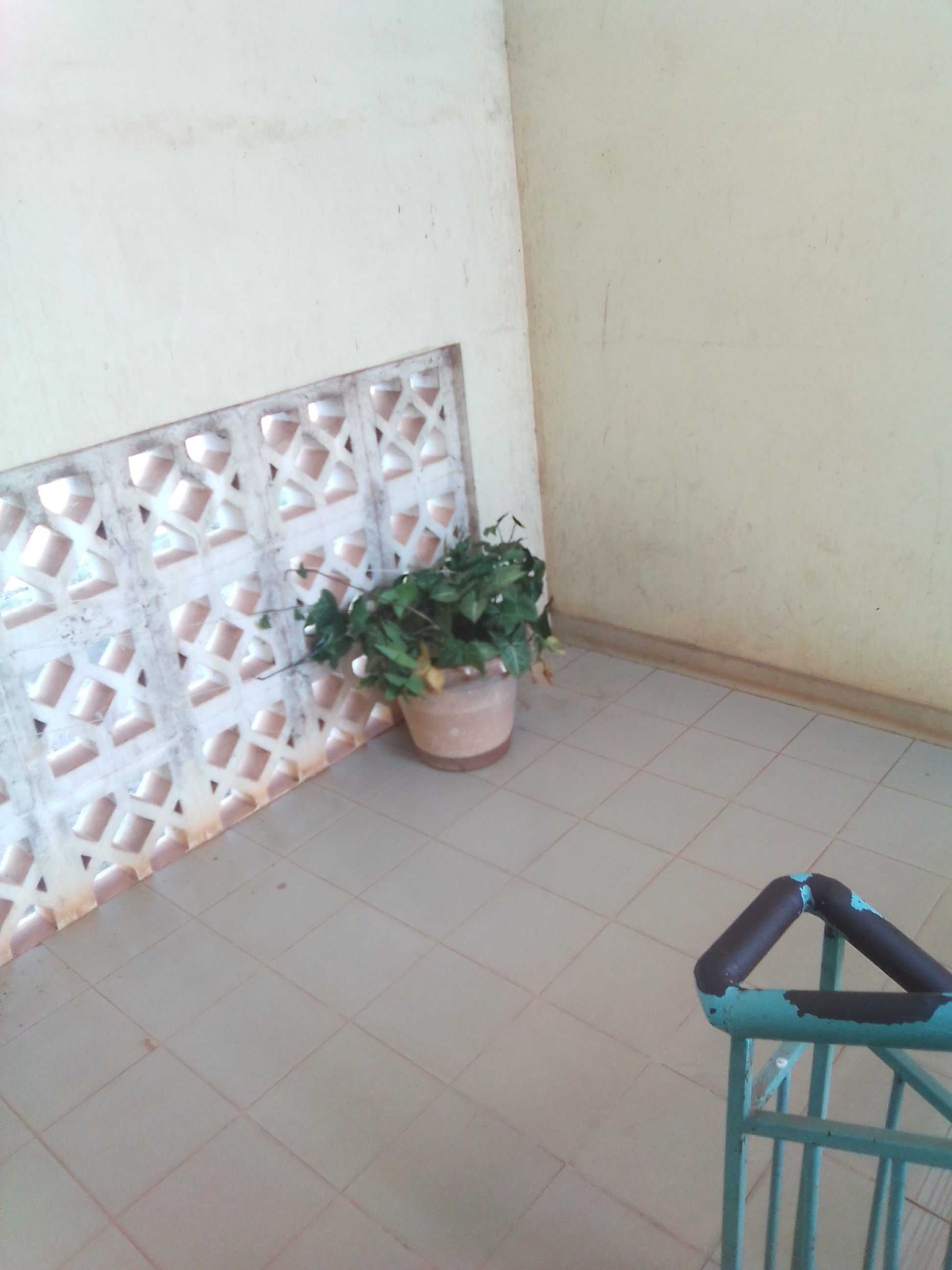
English Ivy
Hedera helix
An evergreen climbing or ground-covering vine featuring lobed, dark green leaves and aerial roots that cling tightly to surfaces.
- Light
- Partial shade to full shade, or bright indirect indoor light for about 4 to 6 hours per day
- Water
- Water thoroughly when the top 1 to 2 inches of soil dries out; reduce watering during winter months while ensuring the roots do not sit in standing water
- Growth
- Woody, evergreen climbing vine with a trailing or ground-hugging habit, capable of spreading widely and reaching lengths of 20 to 50 feet over time with a moderate growth rate
Care instructions
Provide bright, indirect sunlight and maintain moderate soil moisture by watering when the top inch of soil feels dry. Plant in well-draining, nutrient-rich soil and feed lightly during the growing season.
Growing details
Sunlight
Partial shade to full shade, or bright indirect indoor light for about 4 to 6 hours per day
Watering
Water thoroughly when the top 1 to 2 inches of soil dries out; reduce watering during winter months while ensuring the roots do not sit in standing water
Soil
Rich, organic, well-draining soil with a neutral to slightly alkaline pH range between 6.0 and 7.5
Hardiness zone
USDA zones 4 through 9, exhibiting strong tolerance to cold winters and moderate summer heat
Growth habit
Woody, evergreen climbing vine with a trailing or ground-hugging habit, capable of spreading widely and reaching lengths of 20 to 50 feet over time with a moderate growth rate
Bloom season
Late summer to autumn, featuring small, greenish-yellow flowers clustered in umbels; typically does not flower when grown strictly indoors as a juvenile vine
Propagation
Easily propagated through stem cuttings taken in spring or summer, placed directly in moist soil or water until roots develop
Common pests & issues
Susceptible to spider mites, aphids, and scale insects, especially in dry indoor environments; can experience root rot if overwatered or kept in poorly draining soil
Similar species
Boston Ivy (Parthenocissus tricuspidata), which differs by having deciduous leaves that turn vibrant red in autumn rather than remaining evergreen