
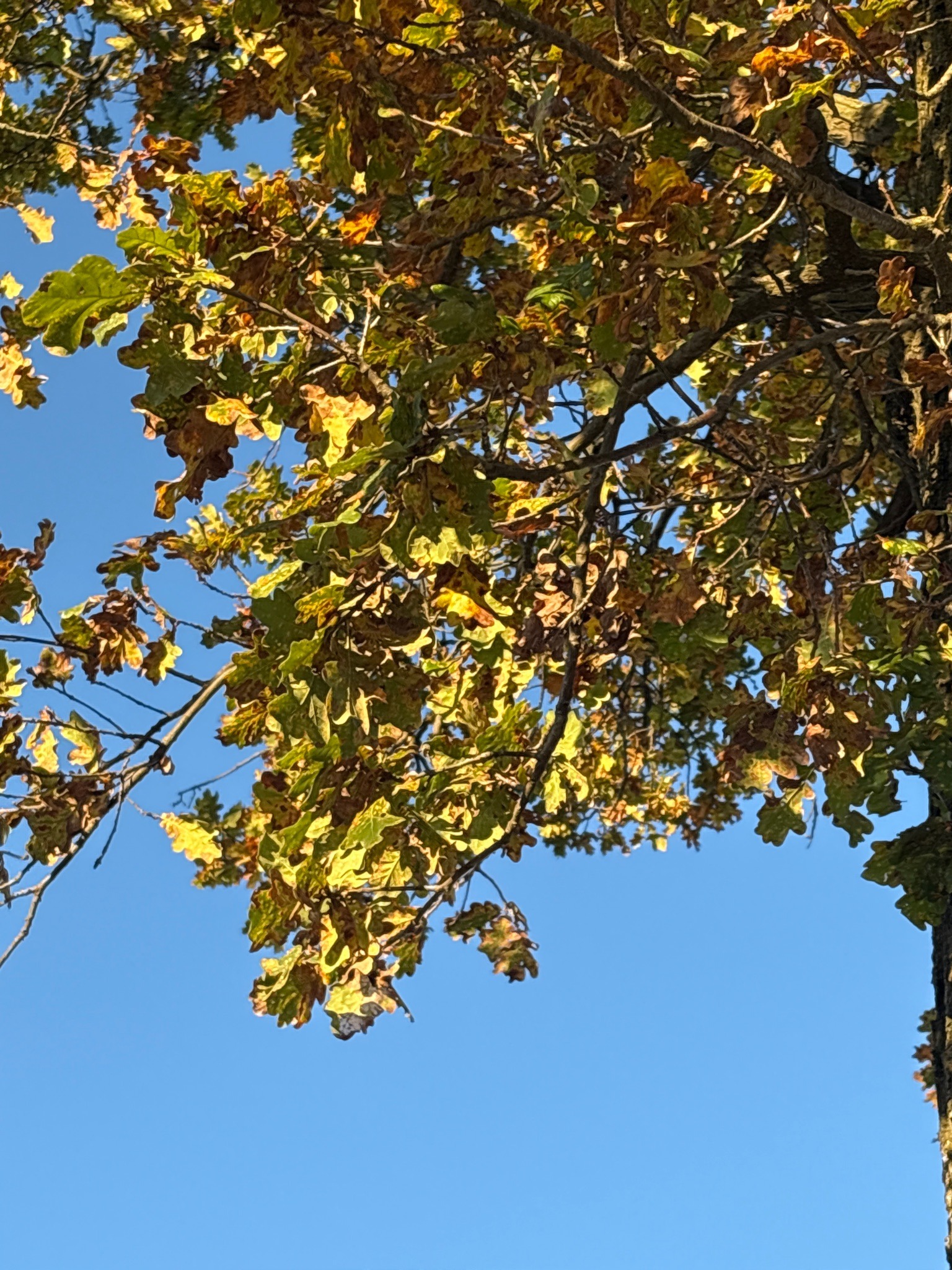
English Oak
Quercus robur
A large deciduous tree featuring deeply lobed, short-stalked leaves and a broad, spreading canopy with rugged, furrowed bark.
- Light
- Full sun, requiring at least six to eight hours of direct sunlight daily
- Water
- Moderate water requirements once established; tolerates brief dry periods but benefits from consistent moisture during prolonged dry spells
- Growth
- Perennial deciduous tree with a massive, spreading crown, reaching mature heights of 40 to 70 feet or more with a broad spread and moderate growth rate
Care instructions
Provide full sun exposure and plant in well-draining soil. Water deeply during establishment, and apply a balanced slow-release fertilizer in spring to support optimal growth.
Growing details
Sunlight
Full sun, requiring at least six to eight hours of direct sunlight daily
Watering
Moderate water requirements once established; tolerates brief dry periods but benefits from consistent moisture during prolonged dry spells
Soil
Prefers deep, rich, well-draining loamy or clay soils with a neutral to slightly acidic pH range of 6.0 to 7.5
Hardiness zone
USDA zones 4 through 8
Growth habit
Perennial deciduous tree with a massive, spreading crown, reaching mature heights of 40 to 70 feet or more with a broad spread and moderate growth rate
Bloom season
Spring, producing inconspicuous yellowish-green pendulous catkins
Propagation
Propagated primarily from seeds sown in autumn or by grafting specialized cultivars onto rootstocks in late winter
Common pests & issues
Susceptible to powdery mildew, leaf-eating caterpillars, and gall wasps, which can be managed by maintaining proper tree spacing and removing heavily affected debris
Similar species
Sessile Oak (Quercus petraea), which can be distinguished by its leaves having distinct petioles and acorns borne directly on the twigs without stalks