
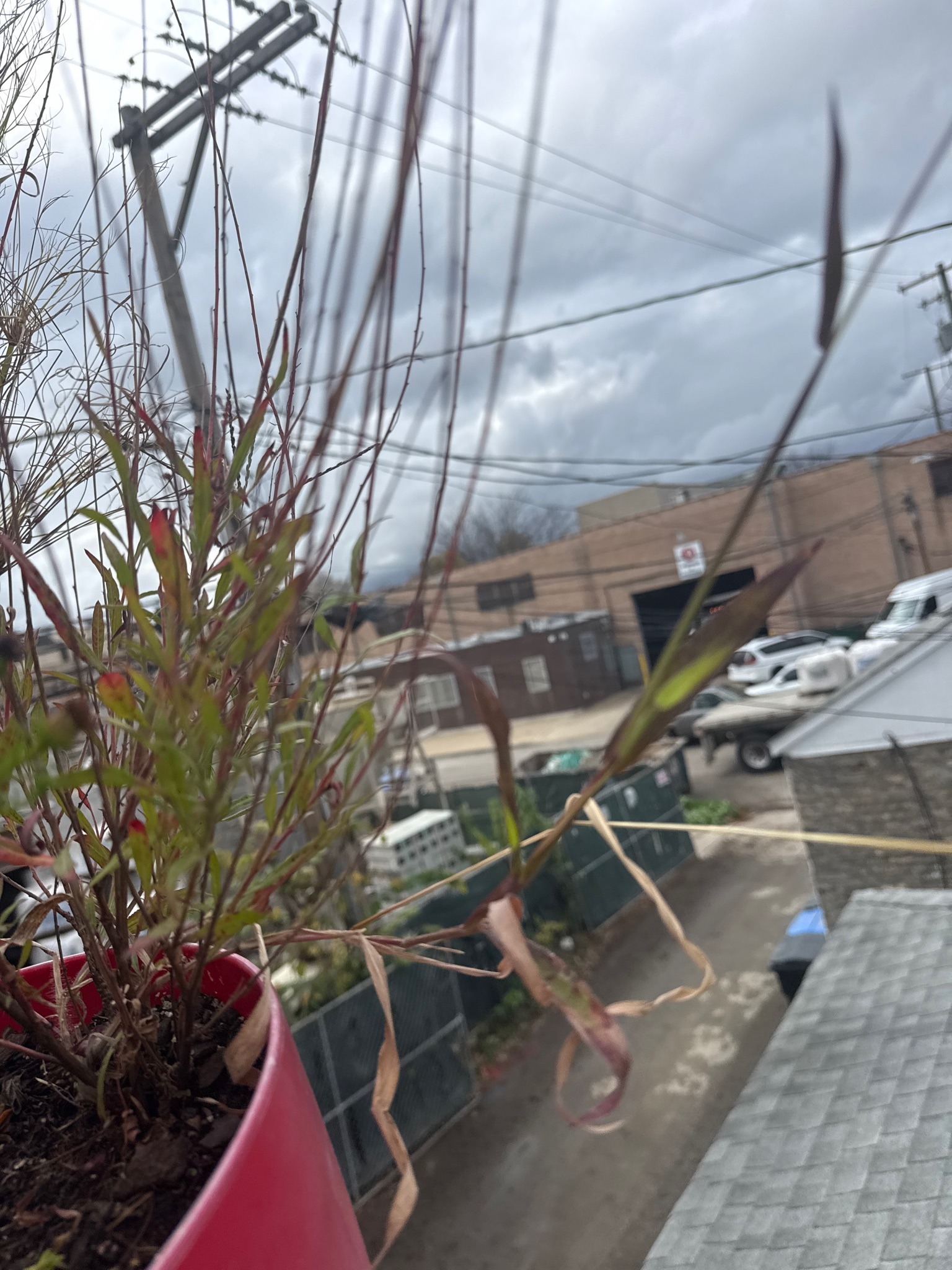
Fireweed
Chamerion angustifolium
A tall perennial herb featuring slender, upright stems, lance-shaped alternate leaves, and terminal spikes of magenta to pink flowers that bloom sequentially from the bottom up.
- Light
- Full sun, requiring at least 6 to 8 hours of direct sunlight daily for optimal flowering.
- Water
- Moderate watering needs. Water thoroughly when the top inch of soil becomes dry. Moderate drought tolerance once established, though prolonged dry spells will cause premature defoliation.
- Growth
- Herbaceous perennial with an upright, colony-forming growth habit, reaching mature heights of 2 to 5 feet and spreading via extensive underground rhizomes.
Care instructions
Provide full sun and well-draining soil. Water moderately, allowing the top layer of soil to dry out between waterings. Apply a balanced, slow-release fertilizer in early spring to support vigorous upright growth.
Growing details
Sunlight
Full sun, requiring at least 6 to 8 hours of direct sunlight daily for optimal flowering.
Watering
Moderate watering needs. Water thoroughly when the top inch of soil becomes dry. Moderate drought tolerance once established, though prolonged dry spells will cause premature defoliation.
Soil
Prefers loamy, sandy, or well-drained rocky soils with a slightly acidic to neutral pH range of 6.0 to 7.0.
Hardiness zone
USDA Hardiness Zones 2 through 7
Growth habit
Herbaceous perennial with an upright, colony-forming growth habit, reaching mature heights of 2 to 5 feet and spreading via extensive underground rhizomes.
Bloom season
Mid-summer to early autumn, producing showy spikes of four-petaled pink to purple flowers.
Propagation
Propagated easily by division of established root rhizomes in early spring, or by sowing seeds directly onto moist soil after the final frost.
Common pests & issues
Generally resilient, but susceptible to rust and powdery mildew in overly humid or poorly ventilated conditions. Root rot can occur in waterlogged soils.
Similar species
Can be distinguished from Purple Loosestrife (Lythrum salicaria) by its alternate leaf arrangement and four-petaled flowers, whereas purple loosestrife typically features opposite or whorled leaves and five to six-petaled flowers.