
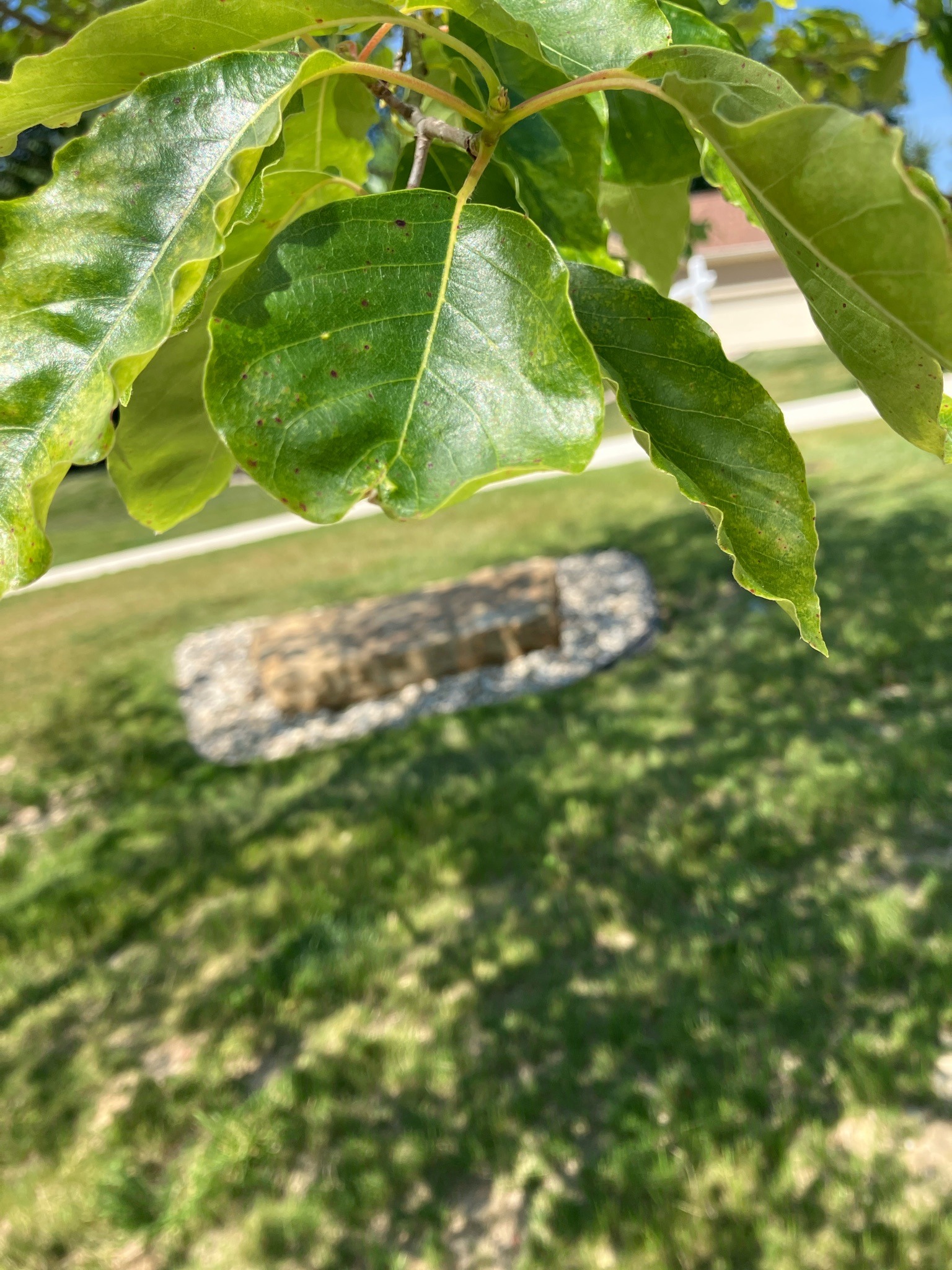
Flowering Dogwood
Cornus florida
A small deciduous tree known for its showy white or pink bracts in spring, blocky grayish-brown bark, and oval leaves with prominent veins that curve toward the leaf tip.
- Light
- Partial shade is ideal, though it can tolerate full sun in cooler climates or if consistently watered. Best with 4-6 hours of sunlight.
- Water
- Moderate watering; needs about 1 inch of water per week. Not drought-tolerant; leaves will wilt and scorch if the soil dries out completely.
- Growth
- Perennial deciduous tree; typically reaches 15-30 feet in height and spread with a rounded, flat-topped crown.
Care instructions
Thrives in partial shade with well-drained, acidic soil. Provide a 2-4 inch layer of mulch to keep roots cool and maintain consistent moisture. Fertilize lightly in early spring.
Growing details
Sunlight
Partial shade is ideal, though it can tolerate full sun in cooler climates or if consistently watered. Best with 4-6 hours of sunlight.
Watering
Moderate watering; needs about 1 inch of water per week. Not drought-tolerant; leaves will wilt and scorch if the soil dries out completely.
Soil
Moist, well-drained, acidic soil (pH 5.5 to 6.5) enriched with organic matter.
Hardiness zone
5-9
Growth habit
Perennial deciduous tree; typically reaches 15-30 feet in height and spread with a rounded, flat-topped crown.
Bloom season
Spring (April to May); features small yellow-green flowers surrounded by four large, notched white or pink petal-like bracts.
Propagation
Propagated by seeds (requires cold stratification), softwood cuttings in summer, or budding/grafting for specific cultivars.
Common pests & issues
Highly susceptible to Anthracnose (fungal disease), powdery mildew, and the Dogwood Borer. Proper air circulation and avoiding overhead watering can help prevent fungal issues.
Similar species
Kousa Dogwood (Cornus kousa), which blooms later, has pointed bracts, and edible bumpy fruit; and Pacific Dogwood (Cornus nuttallii), which has 6 bracts instead of 4.