
Hawthorn
Crataegus pinnatifida
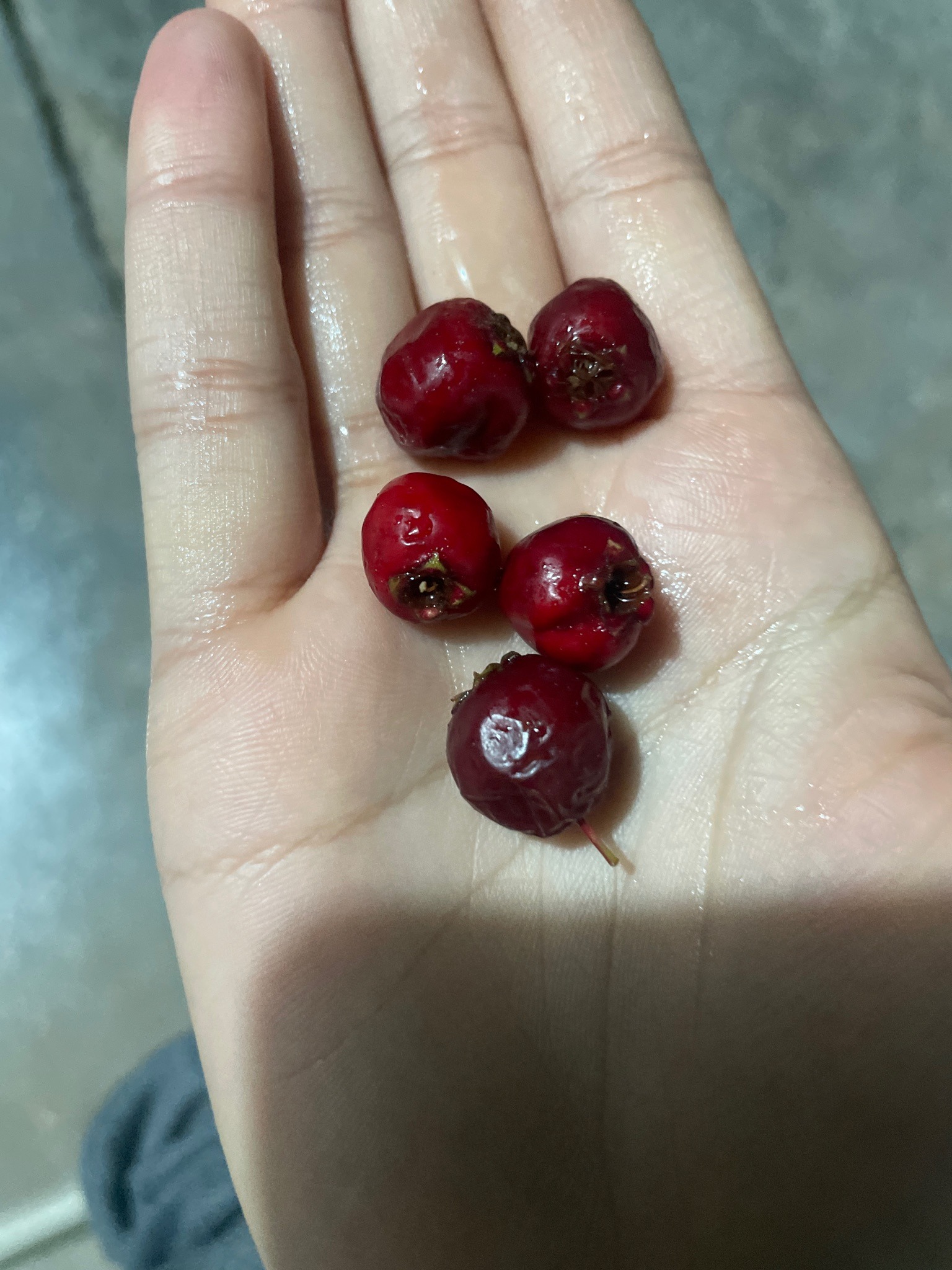
The image shows small, round, deep red pome fruits of a hawthorn species, featuring a prominent persistent calyx at the apex.
- Light
- Full sun to partial shade, requiring at least 6 hours of direct sunlight daily
- Water
- Moderate watering needs. Allow soil to dry slightly between waterings; establish drought tolerance over time.
- Growth
- Deciduous shrub or small tree growing up to 15 to 20 feet tall and wide with a dense, rounded, often thorny canopy and moderate growth rate.
Care instructions
Plant in full sun to partial shade in well-draining soil. Water regularly when young to establish a deep root system, becoming moderately drought tolerant once mature. Apply a balanced fertilizer in early spring before new growth begins.
Growing details
Sunlight
Full sun to partial shade, requiring at least 6 hours of direct sunlight daily
Watering
Moderate watering needs. Allow soil to dry slightly between waterings; establish drought tolerance over time.
Soil
Adaptable to various soil types including clay, loam, and sand, provided they have good drainage. Prefers a neutral pH range between 6.0 and 7.5.
Hardiness zone
USDA zones 3 through 8
Growth habit
Deciduous shrub or small tree growing up to 15 to 20 feet tall and wide with a dense, rounded, often thorny canopy and moderate growth rate.
Bloom season
Spring blooming producing clusters of white or pink flowers, followed by the development of red pomes ripening in autumn.
Propagation
Propagated via seed, softwood cuttings in summer, or by grafting onto rootstock in late winter.
Common pests & issues
Susceptible to apple scab, cedar-apple rust, fire blight, aphids, and scale insects. Ensure good air circulation and avoid overhead watering to prevent fungal diseases.
Similar species
Other Crataegus species such as Crataegus monogyna, which can be distinguished by leaf lobe patterns and the number of styles per flower.