
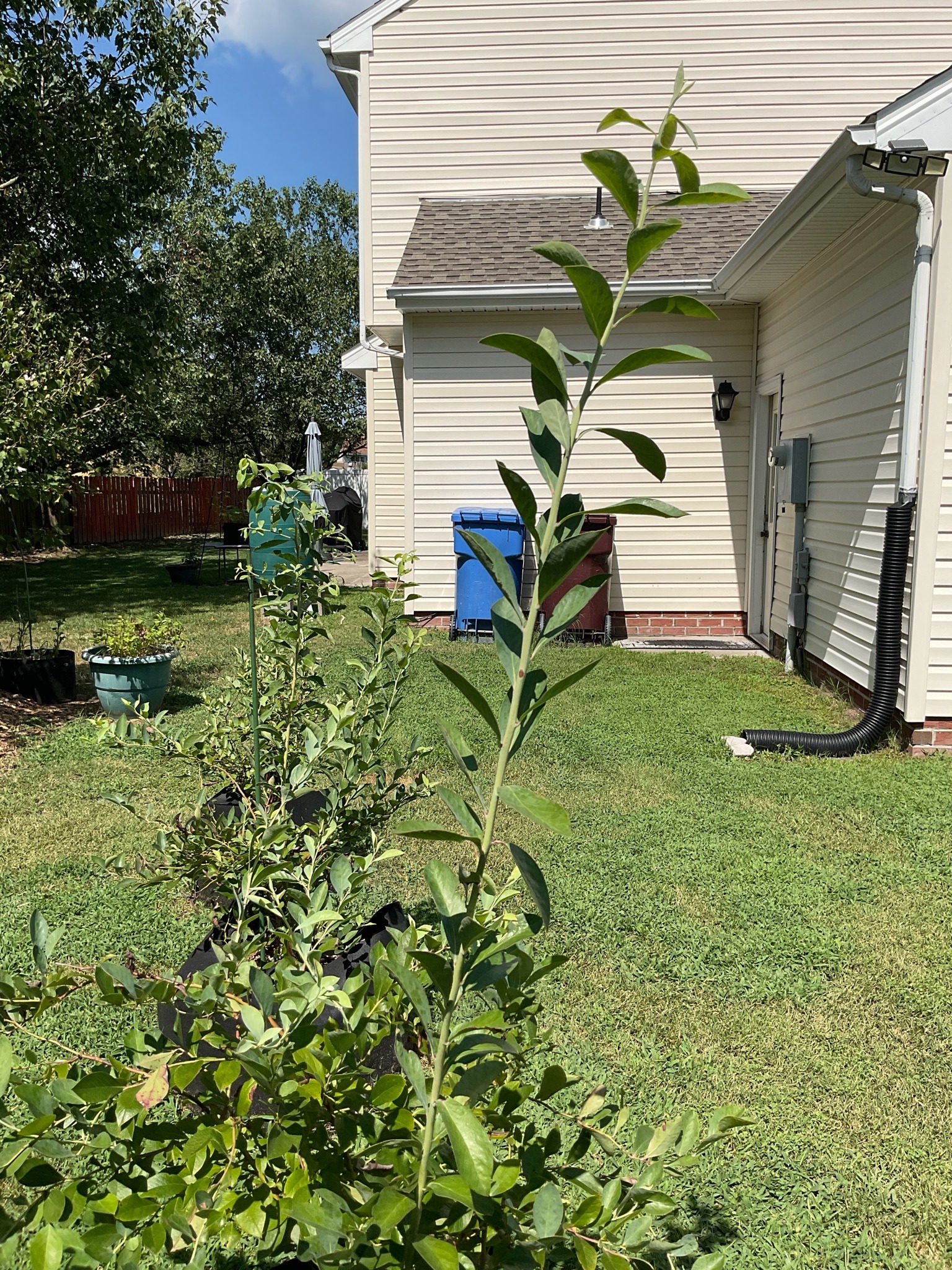
Highbush Blueberry
Vaccinium corymbosum
A deciduous shrub featuring alternate, simple, oval leaves with smooth or slightly serrated margins, turning vibrant shades of red and orange in autumn, and featuring distinct upright growth stems.
- Light
- Full sun to partial shade, requiring a minimum of 6 hours of direct sunlight per day.
- Water
- Requires consistently moist soil, needing about 1 to 2 inches of water per week from rainfall or irrigation. Drought tolerance is low, and avoid letting the root zone dry out completely.
- Growth
- A multi-stemmed deciduous perennial shrub with an upright, branching growth habit, typically reaching mature heights and spreads of 4 to 8 feet with a moderate growth rate.
Care instructions
Provide full sun exposure for at least six hours daily. Keep soil consistently moist with regular watering, ensuring good drainage. Apply an acid-loving plant fertilizer in early spring.
Growing details
Sunlight
Full sun to partial shade, requiring a minimum of 6 hours of direct sunlight per day.
Watering
Requires consistently moist soil, needing about 1 to 2 inches of water per week from rainfall or irrigation. Drought tolerance is low, and avoid letting the root zone dry out completely.
Soil
Prefers highly acidic, organic-rich, well-draining soil with an optimal pH range between 4.5 and 5.5.
Hardiness zone
USDA Hardiness Zones 3 through 8, demonstrating strong cold tolerance during winter months.
Growth habit
A multi-stemmed deciduous perennial shrub with an upright, branching growth habit, typically reaching mature heights and spreads of 4 to 8 feet with a moderate growth rate.
Bloom season
Flowers in mid-spring, producing clusters of bell-shaped, white to pale pink flowers that measure about one-third of an inch long.
Propagation
Propagated successfully through softwood stem cuttings taken in late spring or early summer, hardwood cuttings in winter, or through tissue culture and layering.
Common pests & issues
Susceptible to fungal leaf spots, root rot in poorly draining soils, and common insect pests such as aphids, stem borers, and cherry fruitworms, managed through good cultural practices and proper air circulation.
Similar species
Lowbush blueberry (Vaccinium angustifolium), which is significantly shorter in stature, and the rabbiteye blueberry (Vaccinium virgatum), which typically grows taller and thrives in warmer southern regions.