
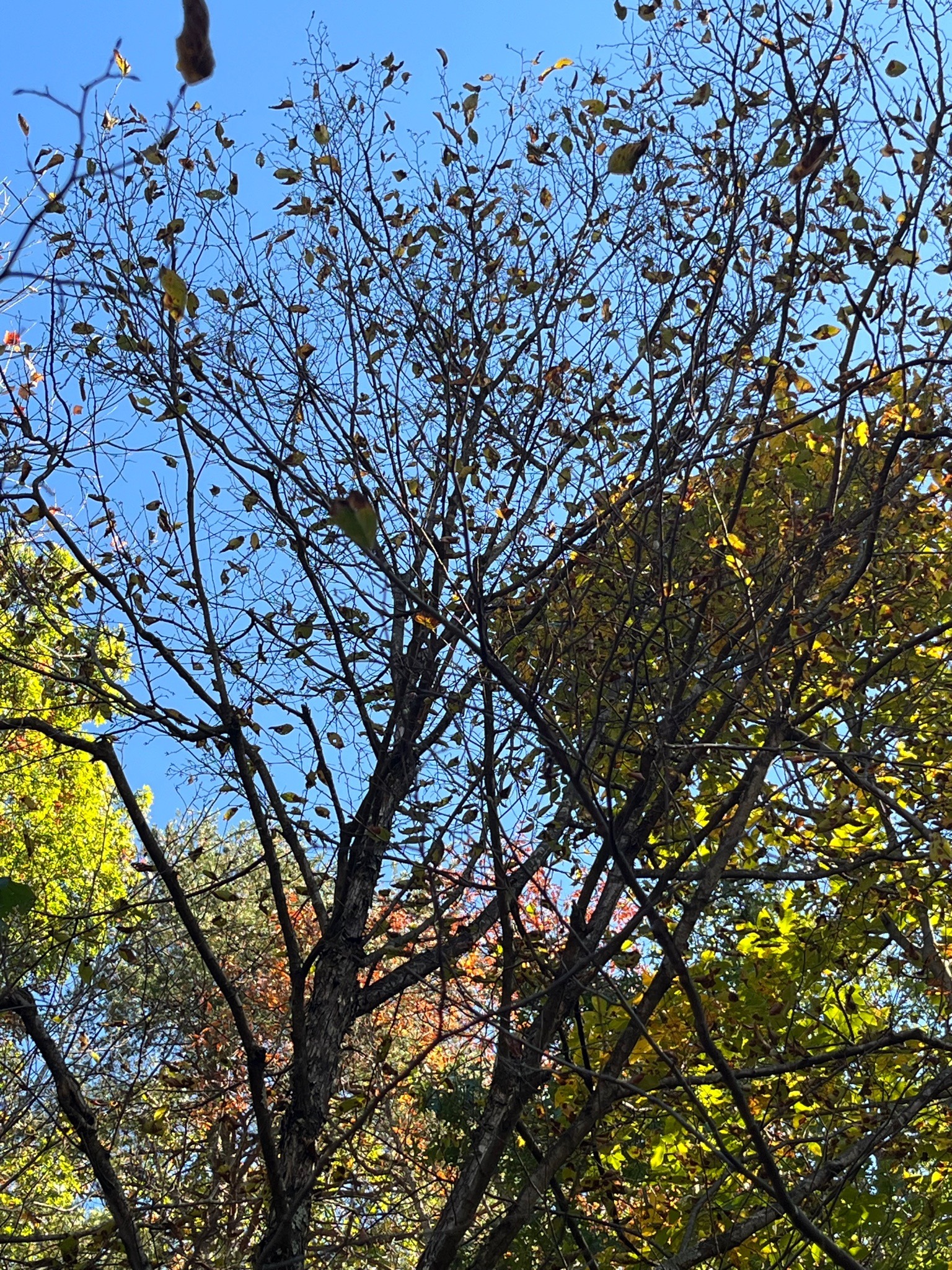
Hornbeam
Carpinus caroliniana
A small to medium-sized understory tree featuring a distinctive smooth, muscular or fluted gray bark and slender, zigzagging twigs with oval, sharply toothed leaves.
- Light
- Full sun to partial shade, preferring about 4 to 6 hours of direct sunlight or dappled shade daily.
- Water
- Requires moderate and consistent moisture. Prefers regular watering during dry spells and does not tolerate prolonged drought well.
- Growth
- Deciduous perennial tree with a rounded, spreading crown, growing slowly to a mature height and spread of 20 to 35 feet.
Care instructions
Plant in locations with partial shade to full sun and well-draining, moist soil. Provide regular watering during establishment and mulch around the root zone to retain moisture.
Growing details
Sunlight
Full sun to partial shade, preferring about 4 to 6 hours of direct sunlight or dappled shade daily.
Watering
Requires moderate and consistent moisture. Prefers regular watering during dry spells and does not tolerate prolonged drought well.
Soil
Thrives in rich, moist, well-draining loamy or clay soils with a slightly acidic to neutral pH range of 6.0 to 7.5.
Hardiness zone
USDA Hardiness Zones 3 through 9
Growth habit
Deciduous perennial tree with a rounded, spreading crown, growing slowly to a mature height and spread of 20 to 35 feet.
Bloom season
Spring, featuring inconspicuous greenish catkins appearing alongside new leaf growth; non-fragrant.
Propagation
Propagated primarily through stratified seeds sown in autumn or by softwood cuttings taken in late spring.
Common pests & issues
Generally resilient, but can occasionally be affected by leaf spots, cankers, and minor damage from borers or aphids.
Similar species
American Beech (Fagus grandifolia), which can be distinguished by its sharp, cigar-shaped winter buds and light gray bark lacking the distinct muscular fluting of the hornbeam.