
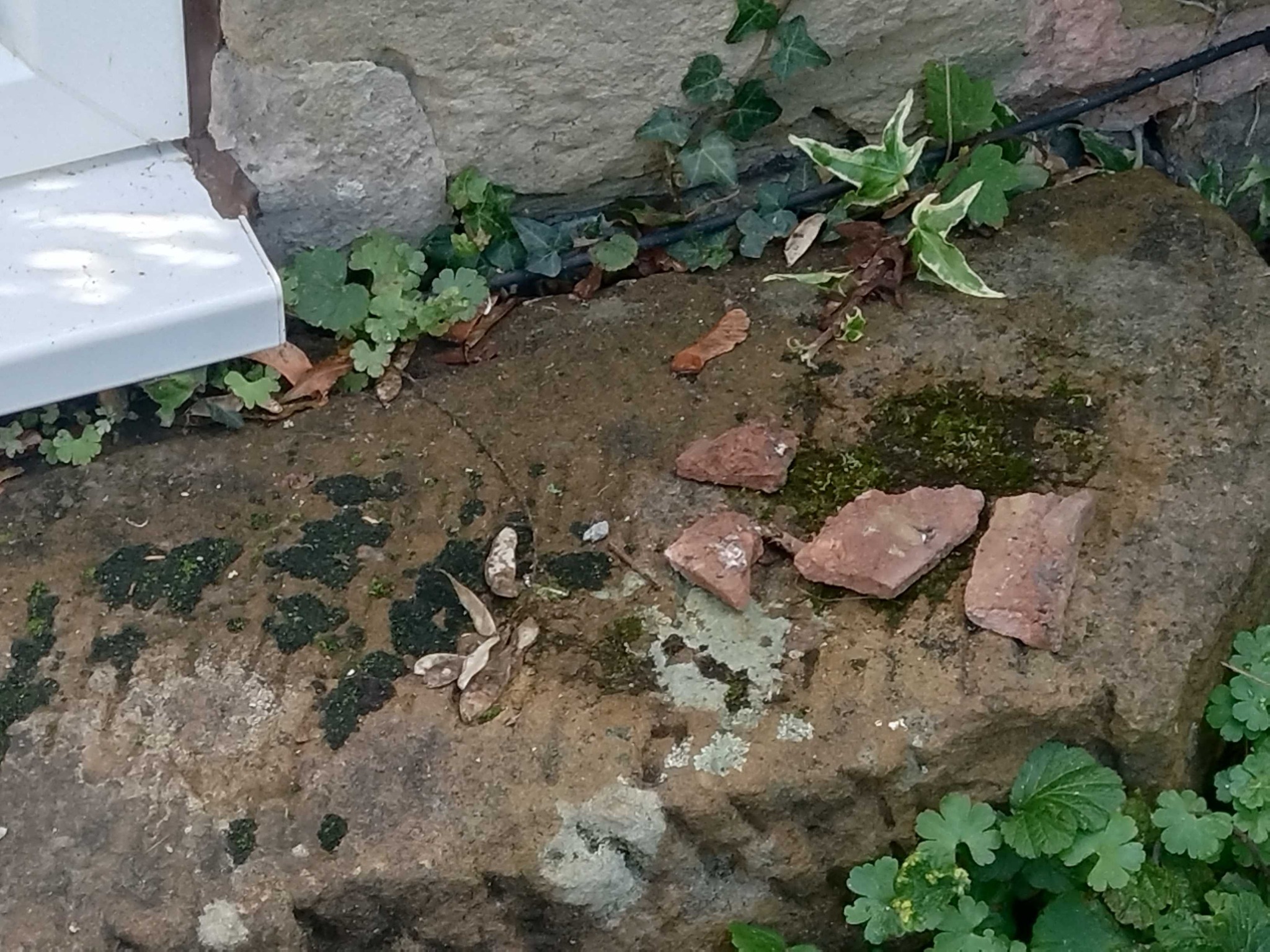
Ivy-leaved Toadflax
Cymbalaria muralis
A low-growing, trailing perennial herbaceous plant with delicate, succulent, lobed leaves resembling miniature ivy and small, bilabiate flowers of pale purple and yellow.
- Light
- Partial shade to full sun, around 4 to 6 hours of direct or indirect sunlight daily
- Water
- Moderate watering needs; allow the soil to dry out between waterings. High drought tolerance once established.
- Growth
- Low-growing, trailing, or mat-forming perennial herb with a fast growth rate, typically reaching a height of 5 to 10 centimeters and spreading indefinitely via rooting stems.
Care instructions
Grow in partial shade to full sun with well-draining soil. Water moderately when the soil feels dry, allowing it to dry out slightly between waterings. Fertilization is generally not necessary.
Growing details
Sunlight
Partial shade to full sun, around 4 to 6 hours of direct or indirect sunlight daily
Watering
Moderate watering needs; allow the soil to dry out between waterings. High drought tolerance once established.
Soil
Prefers porous, well-draining soil, thriving in crevices, mortar of walls, and rockeries with a neutral to slightly alkaline pH range of 6.5 to 7.5.
Hardiness zone
USDA zones 5 through 9, demonstrating strong cold hardiness.
Growth habit
Low-growing, trailing, or mat-forming perennial herb with a fast growth rate, typically reaching a height of 5 to 10 centimeters and spreading indefinitely via rooting stems.
Bloom season
Blooms from mid-spring through autumn, producing small, snapdragon-like flowers in shades of lilac, purple, and pale yellow with a distinct palate.
Propagation
Propagates easily by self-seeding, stem cuttings, or division of established mats during the spring or summer months.
Common pests & issues
Generally trouble-free, though occasionally susceptible to root rot if grown in overly saturated, poorly draining soil.
Similar species
Look-alike species include Kenilworth Ivy variants, though Cymbalaria muralis is distinguished by its specific lobed, fleshy leaves and habit of creeping into wall crevices.