
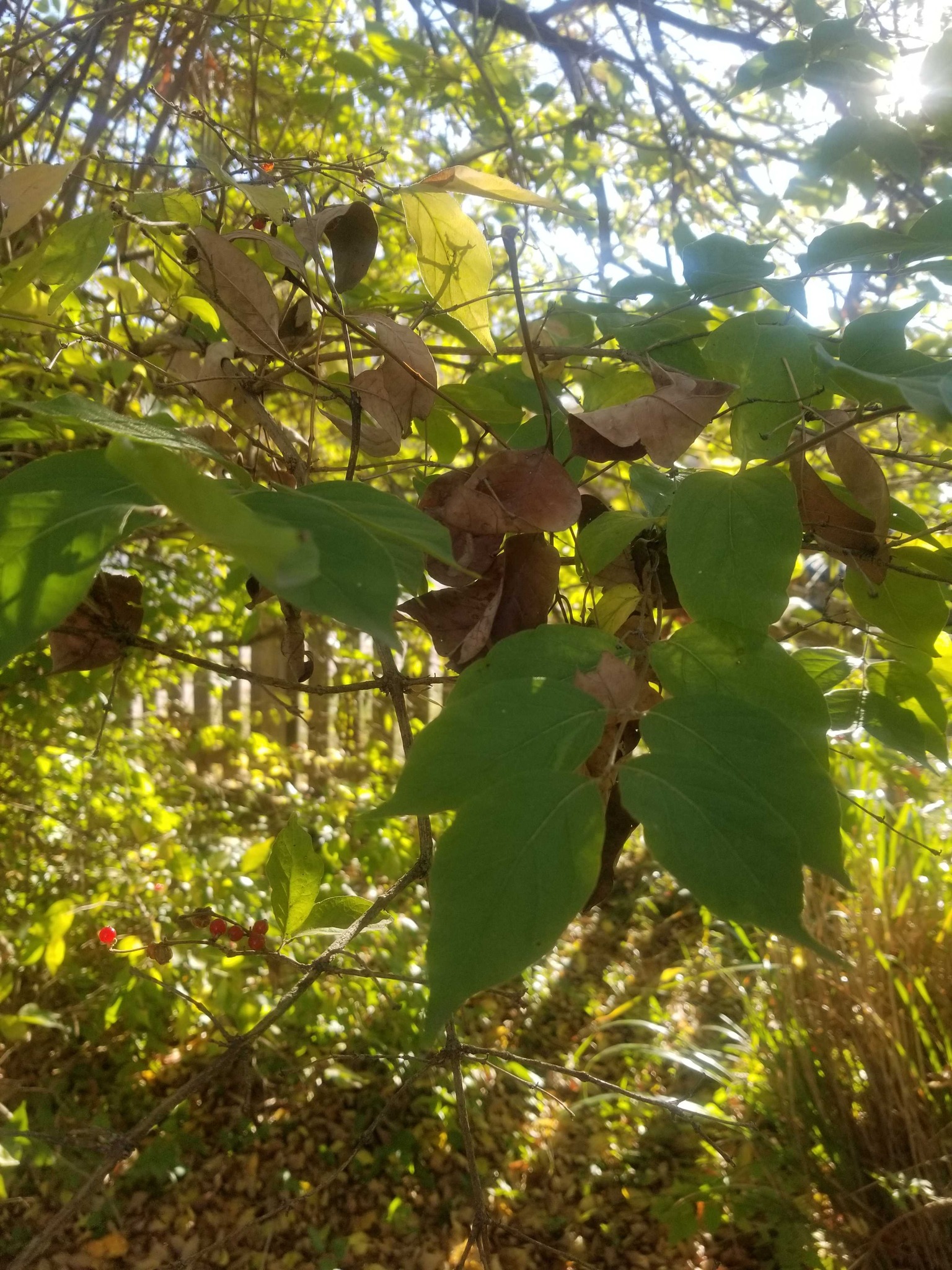
Japanese Honeysuckle
Lonicera japonica
A woody vine featuring opposite, oval leaves and slender stems, with distinctive fragrant tubular flowers that transition in color.
- Light
- Full sun to partial shade, requiring at least 6 hours of direct sunlight daily for optimal growth.
- Water
- Moderate watering needs. Allow the soil to dry slightly between waterings; established plants exhibit good drought tolerance.
- Growth
- Perennial woody vine with a vigorous climbing or trailing growth habit, reaching mature lengths of 15 to 30 feet with a fast growth rate.
Care instructions
Provide full sun to partial shade in well-draining soil with moderate watering. Prune regularly after flowering to maintain shape and control spread.
Growing details
Sunlight
Full sun to partial shade, requiring at least 6 hours of direct sunlight daily for optimal growth.
Watering
Moderate watering needs. Allow the soil to dry slightly between waterings; established plants exhibit good drought tolerance.
Soil
Adaptable to a wide range of soil types including clay, loam, and sandy soils, provided they are well-drained with a pH range of 6.0 to 7.5.
Hardiness zone
USDA Hardiness Zones 4 through 9
Growth habit
Perennial woody vine with a vigorous climbing or trailing growth habit, reaching mature lengths of 15 to 30 feet with a fast growth rate.
Bloom season
Blooms from late spring through summer with tubular white to yellowish flowers that emit a strong sweet fragrance.
Propagation
Propagated easily through softwood cuttings taken in spring or hardwood cuttings in winter, as well as by layering stems in contact with soil.
Common pests & issues
Generally resilient but can be susceptible to aphids, powdery mildew, and leaf spot in overly humid conditions.
Similar species
Trumpet Honeysuckle (Lonicera sempervirens), which can be distinguished by its coral-red flowers and leaves fused together just below the floral cluster.