
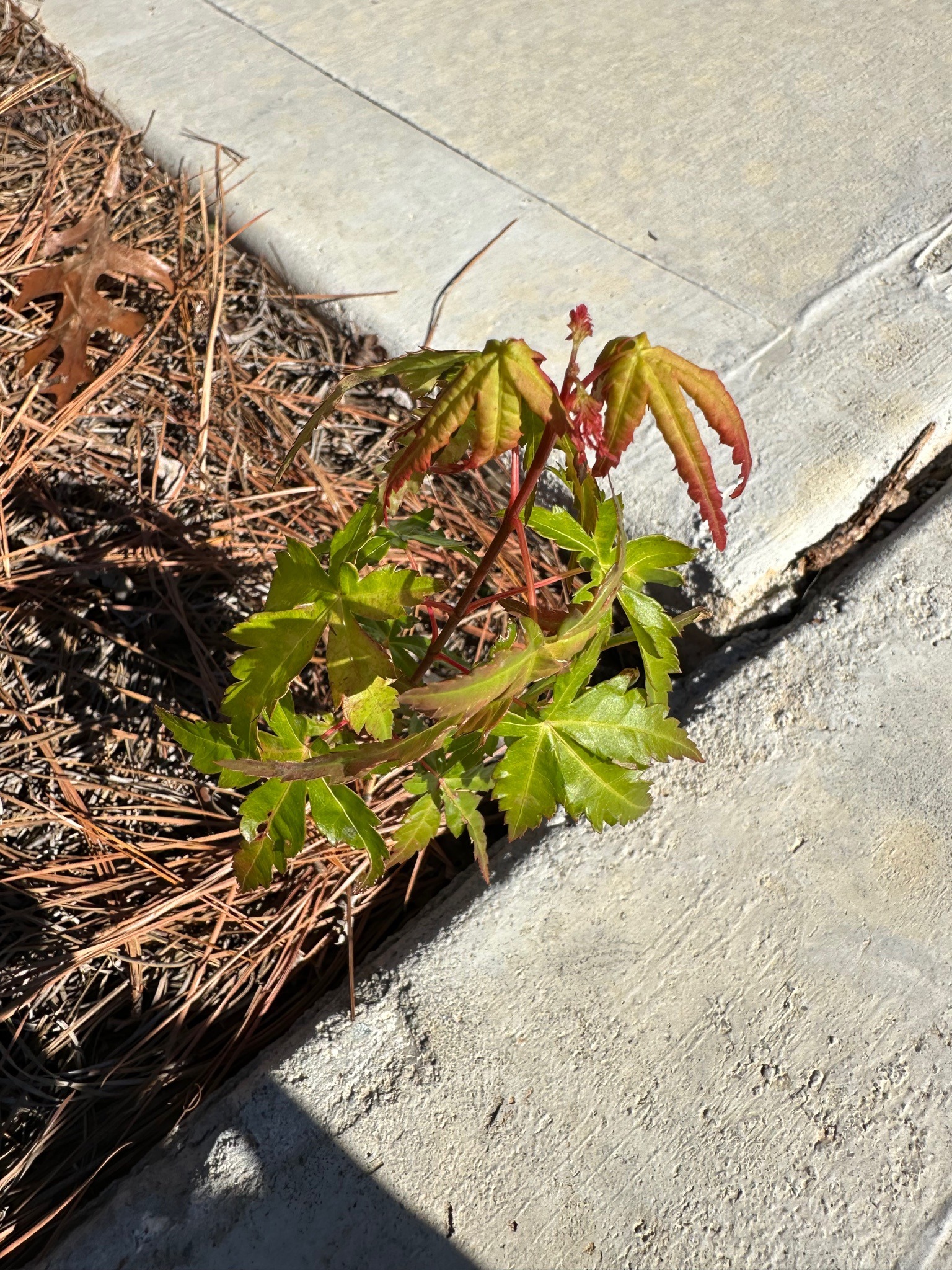
Japanese Maple
Acer palmatum
A small deciduous tree or large shrub featuring distinctly lobed leaves that often emerge with reddish or bronze hues in spring, transitioning to vibrant green or remaining deeply colored depending on the cultivar.
- Light
- Full sun to partial shade, typically requiring 4 to 6 hours of direct or filtered sunlight per day.
- Water
- Moderate watering needs. Keep the soil consistently moist but well-drained. Mulch around the base to retain moisture and protect shallow roots during dry periods.
- Growth
- Perennial woody deciduous tree or shrub with an upright, spreading, or weeping form. Mature size typically ranges from 15 to 25 feet in height and spread, with a slow to moderate growth rate.
Care instructions
Provide full sun to partial shade, with protection from harsh afternoon heat and drying winds. Water consistently to maintain evenly moist soil, avoiding waterlogged conditions. Apply a balanced, slow-release fertilizer in early spring.
Growing details
Sunlight
Full sun to partial shade, typically requiring 4 to 6 hours of direct or filtered sunlight per day.
Watering
Moderate watering needs. Keep the soil consistently moist but well-drained. Mulch around the base to retain moisture and protect shallow roots during dry periods.
Soil
Prefers rich, organic, well-draining loam or sandy soil with an acidic to neutral pH range of 5.5 to 6.5.
Hardiness zone
USDA Hardiness Zones 5 through 8
Growth habit
Perennial woody deciduous tree or shrub with an upright, spreading, or weeping form. Mature size typically ranges from 15 to 25 feet in height and spread, with a slow to moderate growth rate.
Bloom season
Spring. Small, inconspicuous reddish or purple flowers appear in small clusters before or alongside the emerging foliage, followed by winged samaras.
Propagation
Propagated primarily through semi-hardwood cuttings in summer or by grafting onto seedling rootstocks in late winter. Seeds can also be sown after cold stratification.
Common pests & issues
Susceptible to verticillium wilt, leaf scorch from intense sun or wind, and root rot in poorly draining soils. Aphids and scale insects can occasionally affect foliage.
Similar species
Acer circinatum (Vine Maple), which features a similar palmate leaf structure but is native to the Pacific Northwest of North America and typically has more numerous leaf lobes.