
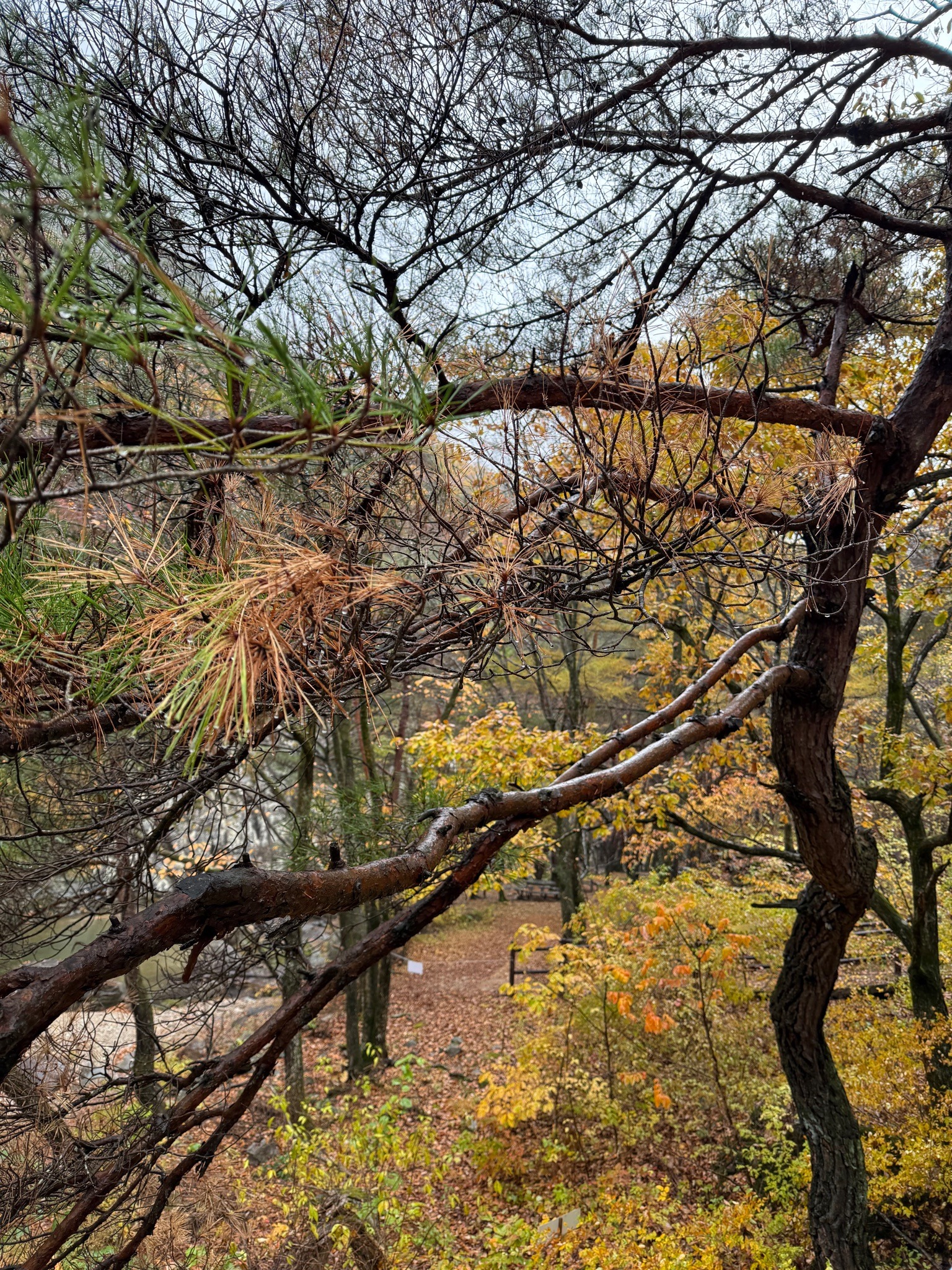
Japanese Red Pine
Pinus densiflora
An evergreen conifer featuring a distinctive irregular or umbrella-shaped crown, reddish-orange bark that exfoliates with age, and slender, needle-like foliage bundled in pairs.
- Light
- Full sun, requiring at least six to eight hours of direct sunlight daily
- Water
- Low to moderate water once established; allow the soil to dry out between waterings. Highly drought-tolerant once mature.
- Growth
- Perennial evergreen tree with a slow to moderate growth rate, reaching heights of 30 to 50 feet with an irregular, spreading canopy
Care instructions
Provide full sun and well-draining soil. Water deeply during establishment and occasionally during prolonged dry spells. Prune only to remove dead or damaged branches.
Growing details
Sunlight
Full sun, requiring at least six to eight hours of direct sunlight daily
Watering
Low to moderate water once established; allow the soil to dry out between waterings. Highly drought-tolerant once mature.
Soil
Prefers sandy, loamy, acidic soils with excellent drainage, ideally within a pH range of 5.0 to 6.5
Hardiness zone
USDA Hardiness Zones 3 through 7
Growth habit
Perennial evergreen tree with a slow to moderate growth rate, reaching heights of 30 to 50 feet with an irregular, spreading canopy
Bloom season
Non-flowering; produces inconspicuous yellowish-male cones and brownish-red female cones in spring
Propagation
Propagated primarily from seeds sown in spring after cold stratification, or through grafting for specific ornamental cultivars
Common pests & issues
Susceptible to needle cast, root rot in poorly draining soils, and infestations by pine shoot beetles or aphids
Similar species
Scots Pine (Pinus sylvestris), which can be distinguished by its bluish-green needles and more vivid orange-red upper bark