
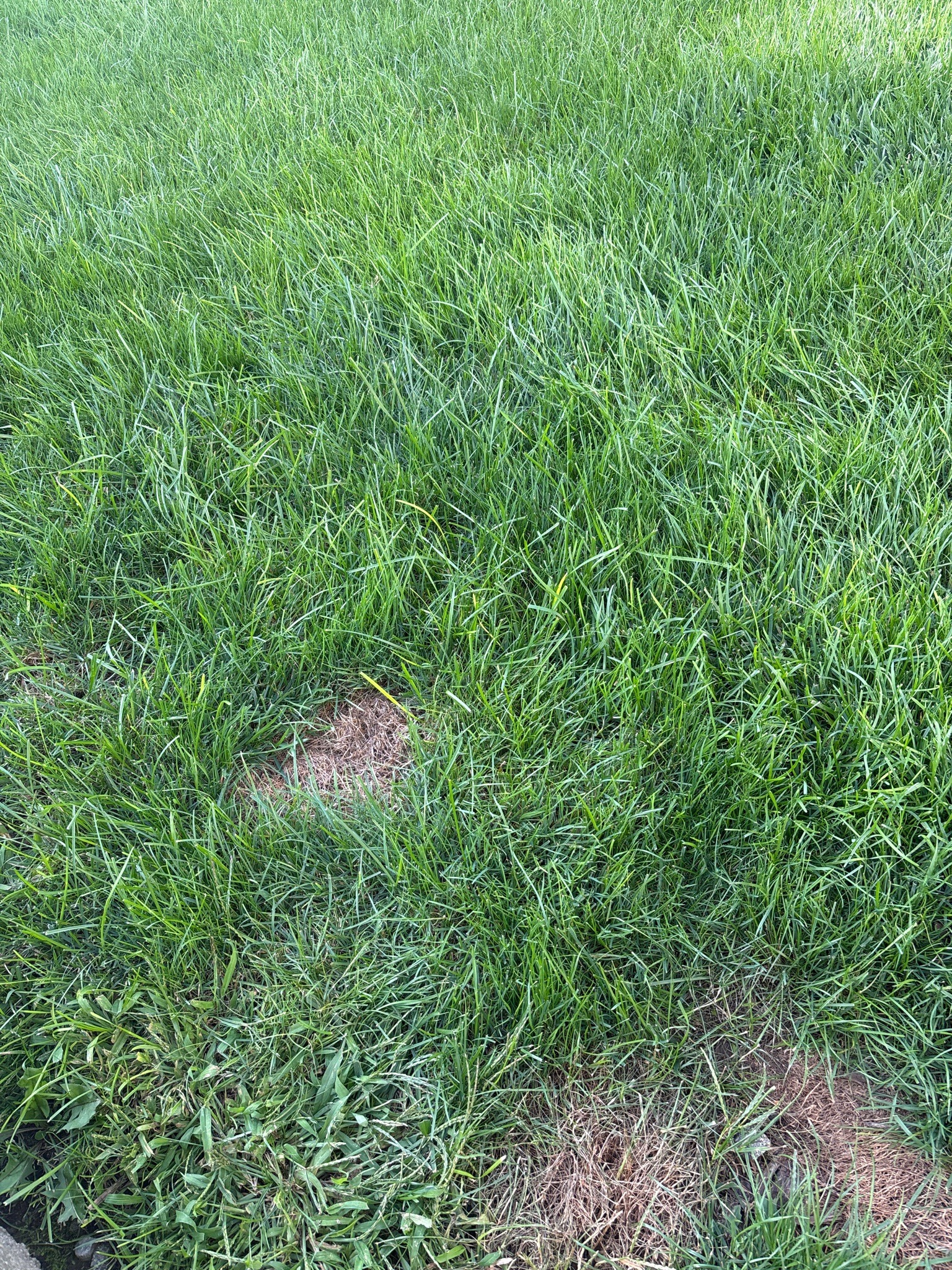
Kentucky Bluegrass
Poa pratensis
A cool-season perennial turfgrass featuring boat-shaped leaf tips, a rich green color, and a dense growth habit via underground rhizomes.
- Light
- Full sun, requiring at least 6 to 8 hours of direct sunlight daily
- Water
- Requires 1 inch of water per week via rainfall or irrigation; goes into summer dormancy under drought conditions and recovers when moisture returns.
- Growth
- Perennial cool-season grass spreading by rhizomes, forming a dense turf mat with a mature height of 2 to 3 feet if unmowed.
Care instructions
Provide full sun exposure, water deeply and consistently to maintain soil moisture without waterlogging, apply a balanced nitrogen-rich fertilizer during active growth periods, and mow regularly at a height of 2 to 3 inches.
Growing details
Sunlight
Full sun, requiring at least 6 to 8 hours of direct sunlight daily
Watering
Requires 1 inch of water per week via rainfall or irrigation; goes into summer dormancy under drought conditions and recovers when moisture returns.
Soil
Well-draining, fertile loamy soils with a preferred pH range between 6.0 and 7.0
Hardiness zone
USDA Hardiness Zones 3 through 7
Growth habit
Perennial cool-season grass spreading by rhizomes, forming a dense turf mat with a mature height of 2 to 3 feet if unmowed.
Bloom season
Late spring to midsummer, producing open, pyramidal panicles with small, inconspicuous spikelets; non-showy.
Propagation
Propagated primarily through commercial grass seed or by spreading rhizomes.
Common pests & issues
Susceptible to fungal diseases such as leaf spot, dollar spot, and summer patch, as well as pests like white grubs and billbugs, managed through proper aeration, balanced fertilization, and appropriate irrigation.
Similar species
Perennial ryegrass (Lolium perenne) and Tall Fescue (Schedonorus arundinaceus); Kentucky Bluegrass is distinguished by its distinct boat-shaped leaf tips and finer texture.