
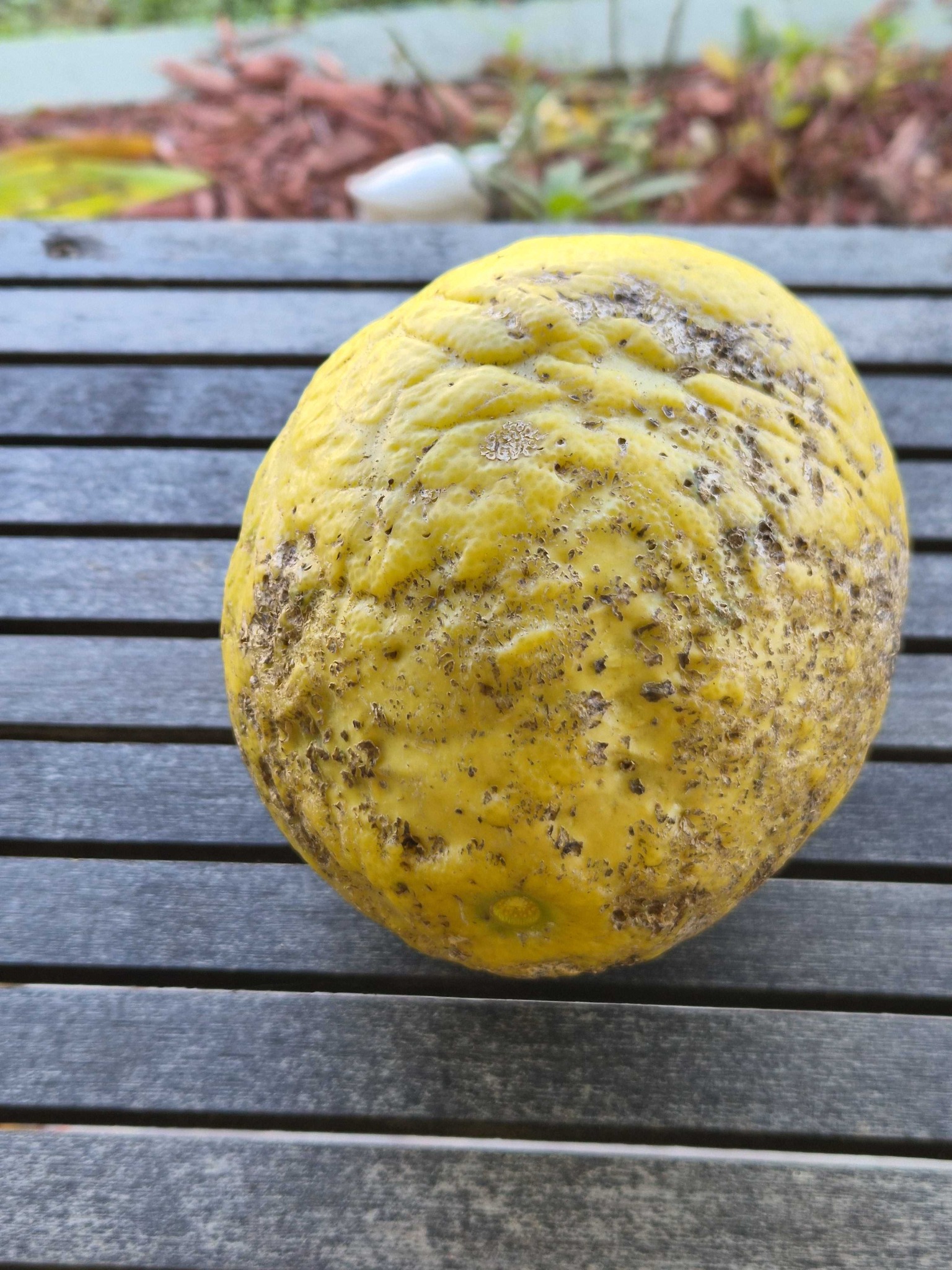
Lemon
Citrus limon
An evergreen tree or large shrub bearing bright yellow, oblong or oval fruit characterized by a textured, bumpy rind and a distinctive apical nipple.
- Light
- Full sun, requiring 6 to 8 hours of direct sunlight per day.
- Water
- Water thoroughly whenever the top 2 to 3 inches of soil dry out. Reduce frequency during cooler winter months. Avoid waterlogged conditions.
- Growth
- Perennial evergreen tree featuring a rounded canopy and thorny branches, typically reaching mature heights of 10 to 20 feet with a moderate growth rate.
Care instructions
Provide full sun exposure for at least six to eight hours daily. Water deeply when the top few inches of soil become dry, ensuring excellent drainage to prevent root rot. Plant in loamy, well-aerated soil and apply a balanced citrus fertilizer during the active growing season.
Growing details
Sunlight
Full sun, requiring 6 to 8 hours of direct sunlight per day.
Watering
Water thoroughly whenever the top 2 to 3 inches of soil dry out. Reduce frequency during cooler winter months. Avoid waterlogged conditions.
Soil
Well-draining sandy loam or loamy soil with an optimal pH range between 6.0 and 7.5.
Hardiness zone
USDA Hardiness Zones 9 through 11, sensitive to freezing temperatures.
Growth habit
Perennial evergreen tree featuring a rounded canopy and thorny branches, typically reaching mature heights of 10 to 20 feet with a moderate growth rate.
Bloom season
Blooms intermittently throughout the year, primarily in spring, producing fragrant, white, star-shaped flowers with purplish tinges on the petals.
Propagation
Propagated primarily through stem cuttings, grafting onto suitable rootstocks, or from seeds, with grafting being the most common method for cultivated varieties.
Common pests & issues
Susceptible to aphids, scale insects, citrus leaf miners, and fungal diseases such as root rot and powdery mildew. Preventative measures include proper spacing, avoiding overwatering, and applying horticultural oils when pests are detected.
Similar species
Citrus aurantium (sour orange) and Citrus medica (citron); distinguished by fruit shape, rind texture, and specific floral characteristics.