
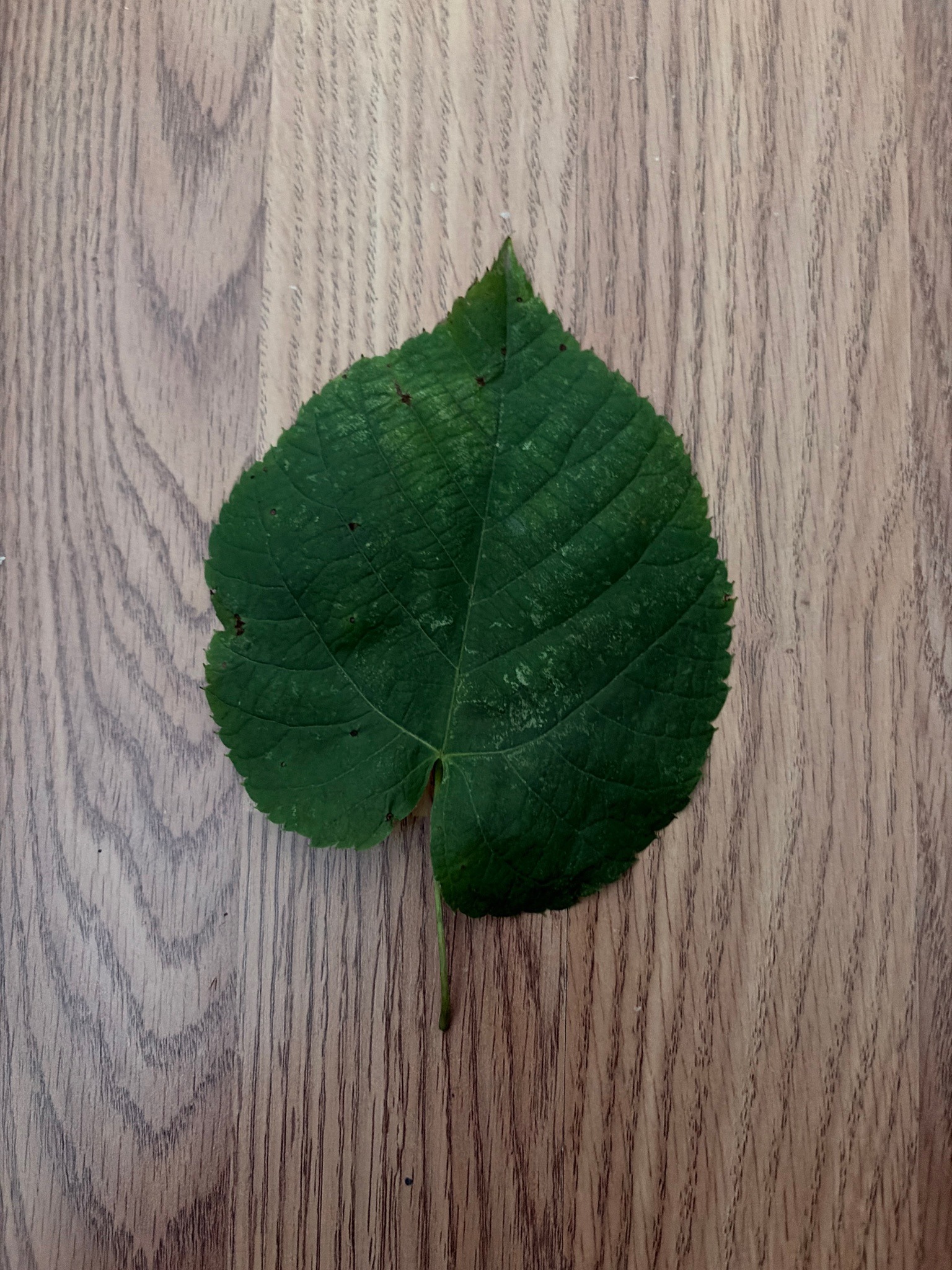
Littleleaf Linden
Tilia cordata
A medium to large deciduous tree featuring distinct heart-shaped (cordate) leaves with serrated margins, asymmetric leaf bases, and a prominent pointed tip.
- Light
- Full sun to partial shade, typically requiring at least 6 hours of direct sunlight daily.
- Water
- Moderate watering needs. Prefers evenly moist soil and can tolerate occasional short dry spells once established.
- Growth
- Deciduous tree with an upright, pyramidal to rounded crown, reaching mature heights of 50 to 70 feet with a spread of 30 to 50 feet, growing at a medium rate.
Care instructions
Plant in full sun to partial shade in well-draining, moist soil. Water regularly during establishment and provide balanced fertilizer in early spring.
Growing details
Sunlight
Full sun to partial shade, typically requiring at least 6 hours of direct sunlight daily.
Watering
Moderate watering needs. Prefers evenly moist soil and can tolerate occasional short dry spells once established.
Soil
Adaptable to a wide range of soil types including clay, loam, and sand, provided they are well-draining with a neutral to slightly alkaline pH.
Hardiness zone
USDA zones 3 through 7
Growth habit
Deciduous tree with an upright, pyramidal to rounded crown, reaching mature heights of 50 to 70 feet with a spread of 30 to 50 feet, growing at a medium rate.
Bloom season
Blooms in early to mid-summer, producing small, yellowish-white, fragrant flowers clustered in drooping cymes attached to a leafy bract.
Propagation
Propagated primarily through seed stratification, softwood cuttings in summer, or grafting for specific cultivars.
Common pests & issues
Susceptible to aphids, Japanese beetles, powdery mildew, and verticillium wilt. Regular monitoring and appropriate horticultural oils or soaps help manage pest populations.
Similar species
American Basswood (Tilia americana), which has significantly larger leaves and larger flower clusters compared to the littleleaf linden.