
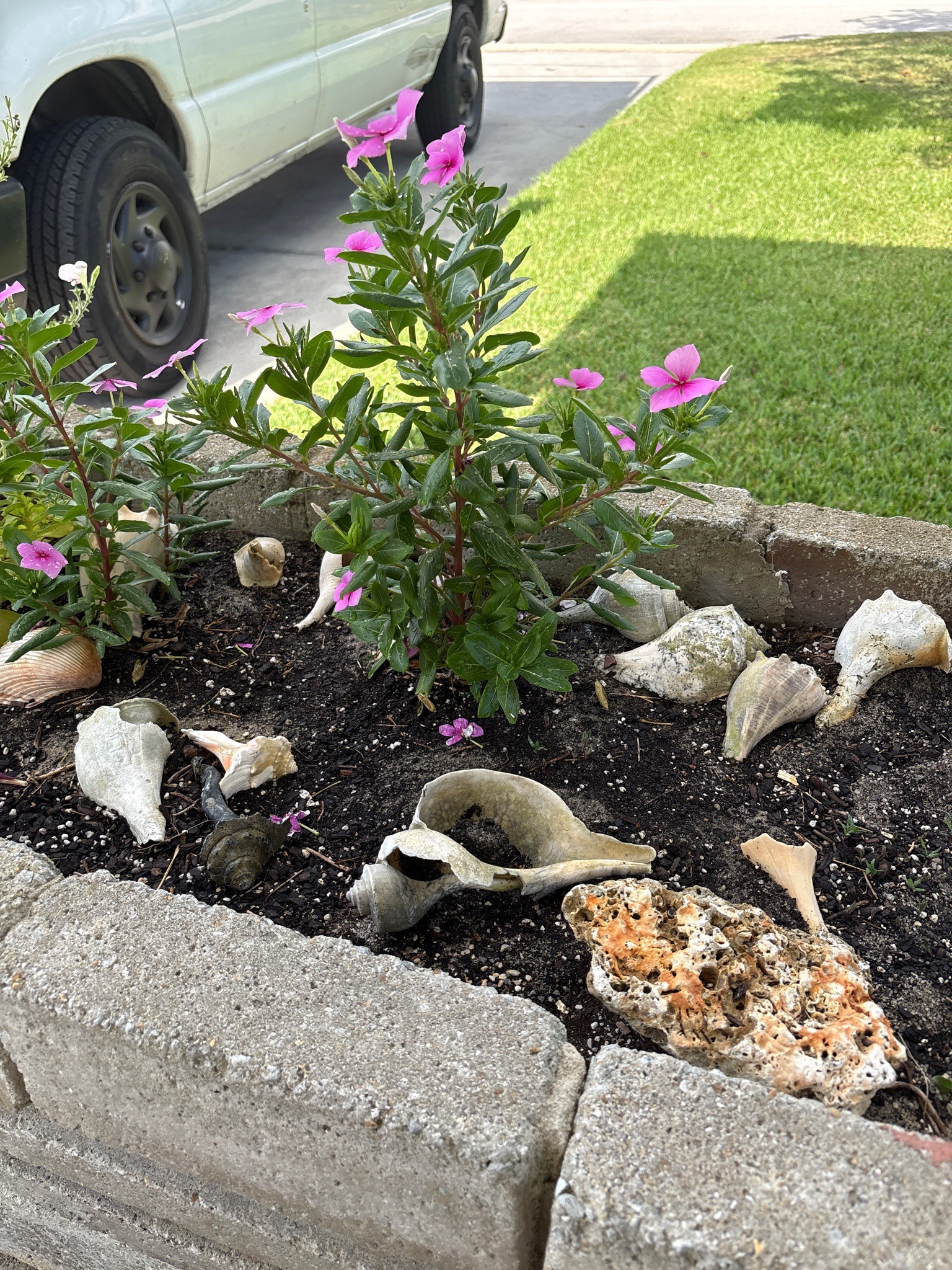
Madagascar Periwinkle
Catharanthus roseus
An upright, branching subshrub featuring glossy, dark green oval leaves and distinct five-petaled flowers in shades of pink, rose, or white with contrasting centers.
- Light
- Full sun, requiring at least 6 hours of direct sunlight daily, though it can tolerate light afternoon shade in very hot climates.
- Water
- Water deeply when the top few inches of soil become dry. Highly drought-tolerant once established, and susceptible to root rot if kept continually soggy.
- Growth
- Perennial grown as an annual in cooler climates, forming a bushy, upright mound reaching 1 to 3 feet in height with a similar spread.
Care instructions
Provide full sun to partial shade with well-draining soil. Allow the soil to dry out moderately between thorough watering sessions, and avoid overhead watering to prevent moisture-related fungal issues.
Growing details
Sunlight
Full sun, requiring at least 6 hours of direct sunlight daily, though it can tolerate light afternoon shade in very hot climates.
Watering
Water deeply when the top few inches of soil become dry. Highly drought-tolerant once established, and susceptible to root rot if kept continually soggy.
Soil
Prefers loose, loamy, or sandy well-draining soil with a neutral to slightly acidic pH range of 6.0 to 7.0.
Hardiness zone
USDA Hardiness Zones 9 through 11, typically grown as an annual in cooler temperate regions.
Growth habit
Perennial grown as an annual in cooler climates, forming a bushy, upright mound reaching 1 to 3 feet in height with a similar spread.
Bloom season
Blooms continuously from late spring through the first autumn frosts, producing flat, five-petaled flowers in various shades of pink, purple, and white.
Propagation
Easily propagated from seeds sown indoors in warmth before the last frost, or through stem tip cuttings rooted in a moist growing medium.
Common pests & issues
Prone to fungal root rots and stem blights in overly wet or humid conditions. Occasional pests include aphids and spider mites, which can be managed with insecticidal soap.
Similar species
Often confused with Impatiens, but Madagascar periwinkle can be distinguished by its much glossier, leathery leaves, tougher woody stems, and greater tolerance for intense direct sun and drought.