
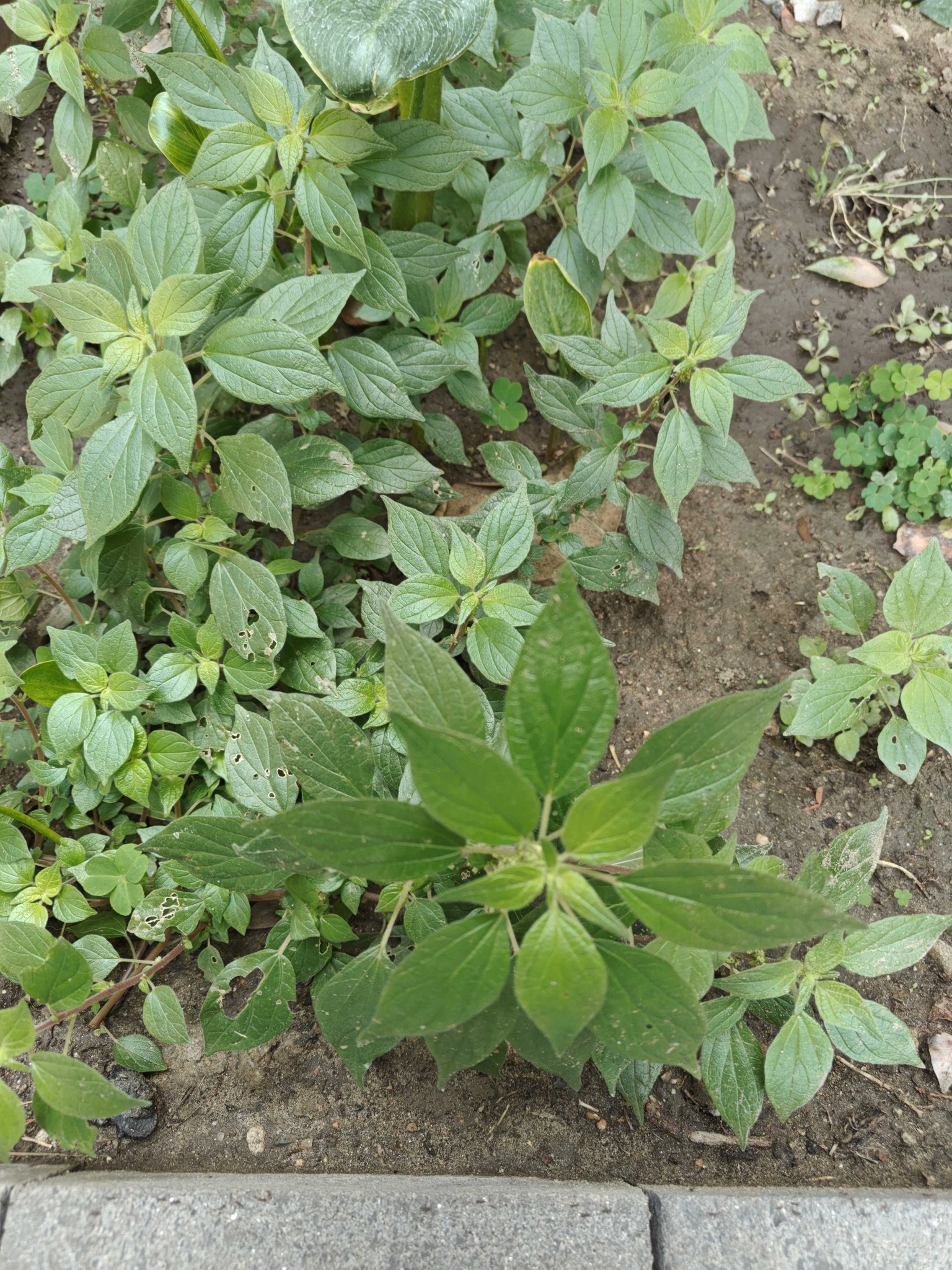
Mercury herb
Mercurialis annua
An annual herbaceous plant featuring opposite, lanceolate to ovate, bright green leaves with finely toothed margins, growing in low branching clusters.
- Light
- Full sun to partial shade, requiring at least 4 to 6 hours of direct sunlight daily.
- Water
- Water regularly to keep the soil evenly moist. Moderate drought tolerance once established, but extended dry periods will cause wilting.
- Growth
- Herbaceous annual with an upright and branching habit, reaching mature heights of 20 to 50 centimeters with a comparable spread.
Care instructions
Provide full sun to partial shade, keep the soil consistently moist but well-drained, and apply a balanced liquid fertilizer sparingly during active growth.
Growing details
Sunlight
Full sun to partial shade, requiring at least 4 to 6 hours of direct sunlight daily.
Watering
Water regularly to keep the soil evenly moist. Moderate drought tolerance once established, but extended dry periods will cause wilting.
Soil
Prefers rich, well-draining loamy soils with a neutral to slightly alkaline pH range of 6.0 to 7.5.
Hardiness zone
USDA hardiness zones 7 through 10, cultivated primarily as an annual in cooler regions.
Growth habit
Herbaceous annual with an upright and branching habit, reaching mature heights of 20 to 50 centimeters with a comparable spread.
Bloom season
Flowers from mid-summer through autumn, producing inconspicuous small greenish flowers arranged in spikes.
Propagation
Propagated easily from seeds scattered naturally or collected and sown directly in the spring in moist soil.
Common pests & issues
Susceptible to root rot in poorly draining soils. Occasional infestations of aphids or spider mites can be managed with insecticidal soap.
Similar species
Can resemble other members of the Euphorbiaceae family or certain nettle species, distinguished by its lack of stinging hairs and specific leaf arrangement.