
Million Bells
Calibrachoa x hybrida
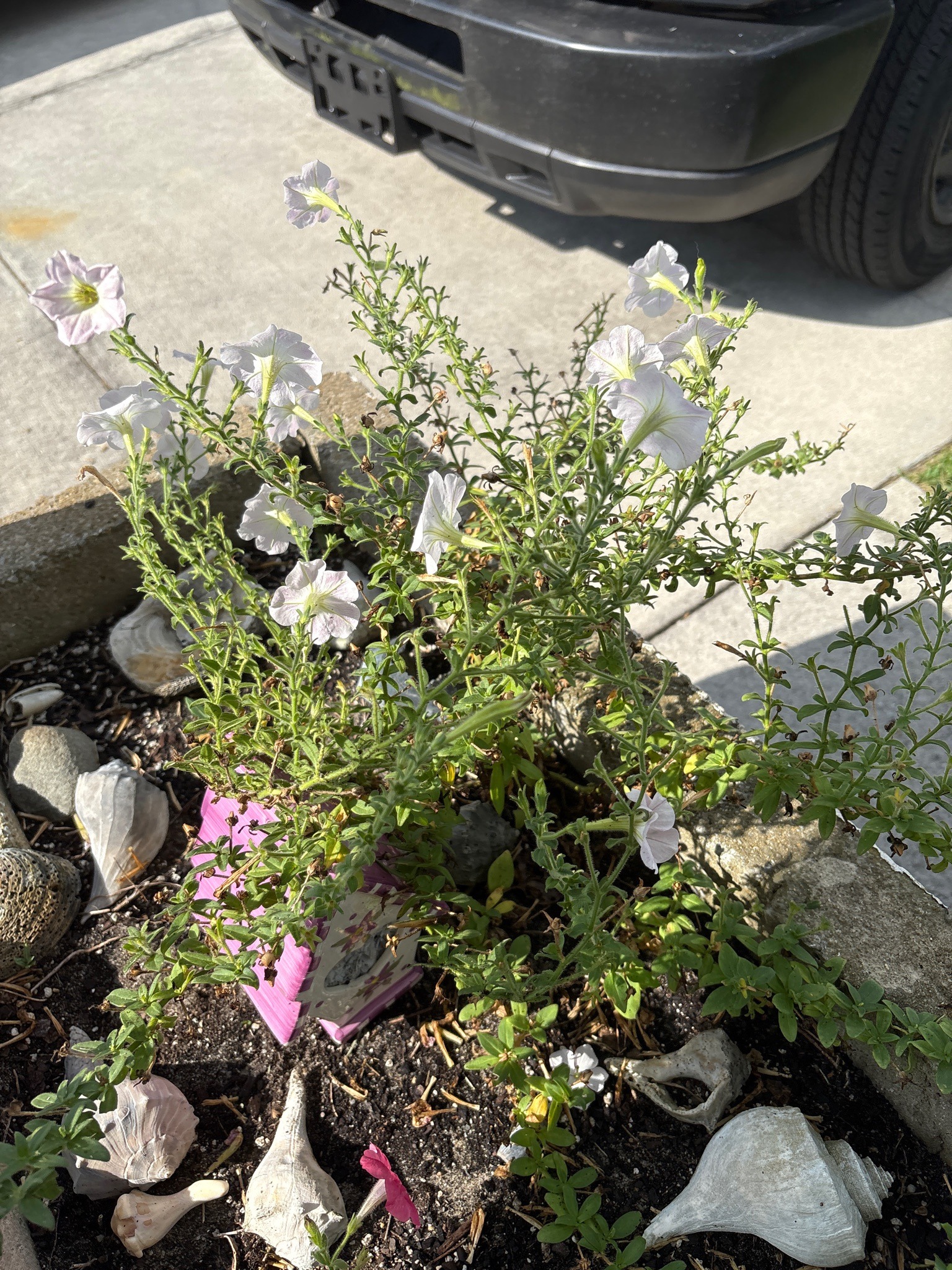
Million Bells is a popular trailing perennial grown as an annual in most climates, featuring small, trumpet-shaped flowers resembling miniature petunias in various shades of white, pink, and purple, complemented by small, sticky green leaves.
- Light
- Full sun, requiring 6 to 8 hours of direct sunlight per day.
- Water
- Moderate watering needs. Water when the top soil is dry to the touch. Avoid overly soggy soil to prevent root issues, and ensure containers have good drainage.
- Growth
- Trailing or mounding habit, typically reaching a mature height of 6 to 12 inches and spreading up to 12 to 24 inches with a fast growth rate.
Care instructions
Provide full sun exposure for at least six hours daily. Water thoroughly when the top inch of soil becomes dry, and feed with a balanced water-soluble fertilizer every two weeks during the growing season to encourage continuous blooming.
Growing details
Sunlight
Full sun, requiring 6 to 8 hours of direct sunlight per day.
Watering
Moderate watering needs. Water when the top soil is dry to the touch. Avoid overly soggy soil to prevent root issues, and ensure containers have good drainage.
Soil
Well-draining, light, and airy potting mix or garden soil with a slightly acidic to neutral pH ranging from 5.5 to 6.5.
Hardiness zone
USDA Hardiness Zones 9 to 11 when grown as a perennial, typically treated as an annual in cooler regions.
Growth habit
Trailing or mounding habit, typically reaching a mature height of 6 to 12 inches and spreading up to 12 to 24 inches with a fast growth rate.
Bloom season
Blooms continuously from late spring through the first autumn frosts, producing trumpet-shaped flowers in shades of white, pink, lavender, and yellow.
Propagation
Propagated primarily through stem cuttings taken in spring or summer, as cultivars grown from seed do not always retain parent characteristics.
Common pests & issues
Susceptible to root rot if overwatered or kept in poorly draining soil. Pests like aphids and whiteflies can occasionally appear; treat with insecticidal soap if infestations occur.
Similar species
Petunia (Petunia x hybrida), which can be distinguished by larger flowers, broader foliage, and a more sticky-hairy stem texture compared to the smaller, more delicate flowers and leaves of Calibrachoa.