
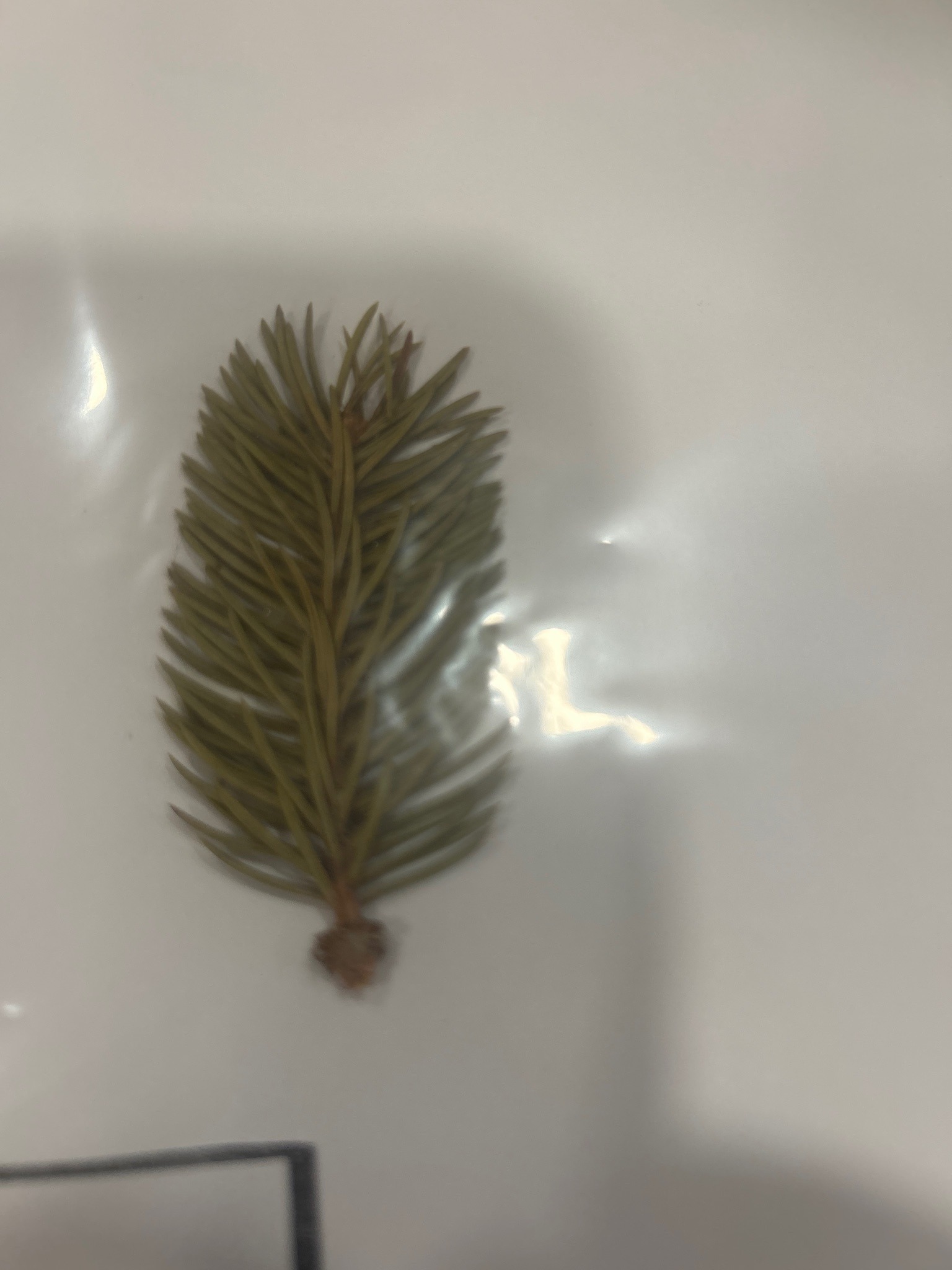
Norway Spruce
Picea abies
A large evergreen conifer featuring stiff, four-sided needles attached individually to twig projections called peg-like sterigmata, with hanging, cylindrical seed cones.
- Light
- Full sun, requiring at least 6 hours of direct sunlight daily
- Water
- Moderate watering when newly planted; mature specimens tolerate short dry spells but prefer evenly moist soil that does not stay waterlogged
- Growth
- Large evergreen tree with a pyramidal growth form, capable of reaching mature heights of 40 to 60 feet or more with a spread of 25 to 30 feet, growing at a medium to fast rate
Care instructions
Provide full sun exposure and well-draining, moderately moist soil. Water deeply during establishment and prolonged dry periods, and apply a balanced slow-release fertilizer in early spring if needed.
Growing details
Sunlight
Full sun, requiring at least 6 hours of direct sunlight daily
Watering
Moderate watering when newly planted; mature specimens tolerate short dry spells but prefer evenly moist soil that does not stay waterlogged
Soil
Well-draining sandy loam, clay loam, or silt loam with an acidic to neutral pH range of 6.0 to 7.5
Hardiness zone
USDA zones 3 through 7
Growth habit
Large evergreen tree with a pyramidal growth form, capable of reaching mature heights of 40 to 60 feet or more with a spread of 25 to 30 feet, growing at a medium to fast rate
Bloom season
Non-flowering (produces inconspicuous pollen cones and prominent seed cones in spring)
Propagation
Propagated primarily through semi-hardwood stem cuttings taken in late summer or by sowing stratified seeds in spring
Common pests & issues
Susceptible to spider mites, aphids, and fungal needle casts, best managed by ensuring proper air circulation and avoiding overhead watering
Similar species
White Spruce (Picea glauca) and Colorado Blue Spruce (Picea pungens), which can be distinguished by needle flexibility, color variation, and branchlet texture